Off the Grid River Lodge: a guide to accommodation and experiences in Winterton, KwaZulu-Natal
Winterton, tucked in the heart of KwaZulu-Natal’s inland landscape, offers a peaceful escape from the bustle of coastal tourism while remaining within easy reach of nature, culture and outdoor activities. When planning a stay centred around an off‑grid experience such as Off the Grid River Lodge, it helps to understand the lay of the land, the types of accommodation available, and practical ways to make the most of your visit.
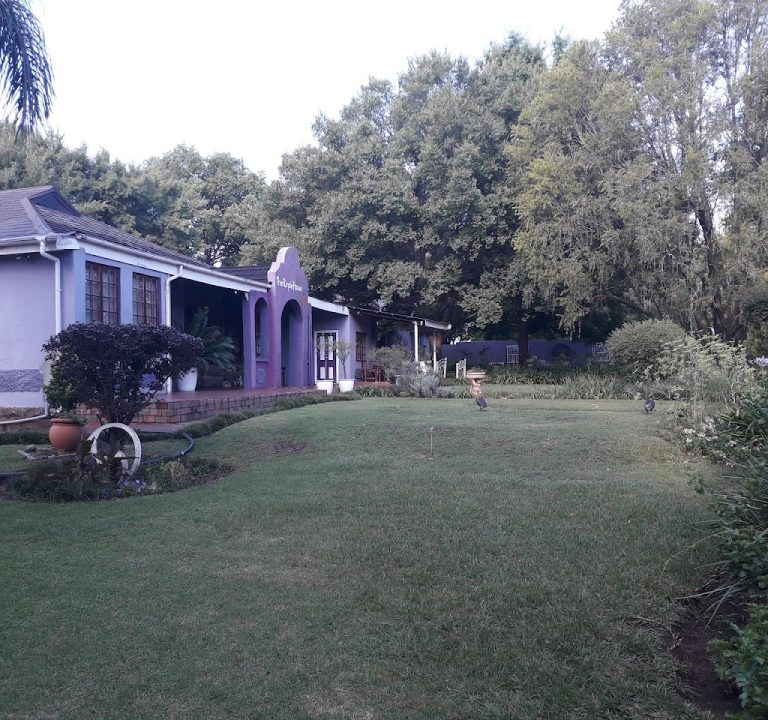
Accommodation in and around Winterton ranges from rustic game‑and‑farm stays to contemporary lodges and intimate guesthouses. A key appeal for many travellers is the sense of space and privacy that lodges and guesthouses typically provide, often set amid scenic river valleys, woodlands and farmland. When considering where to stay, think about your priorities: proximity to nature trails, access to self‑catering facilities, quiet evenings, or the convenience of a lodge with meals on site. Winterton’s smaller towns provide a handful of comfortable options without the crowds associated with coastal resorts, making it ideal for travellers seeking a relaxed pace and a friendly local atmosphere.
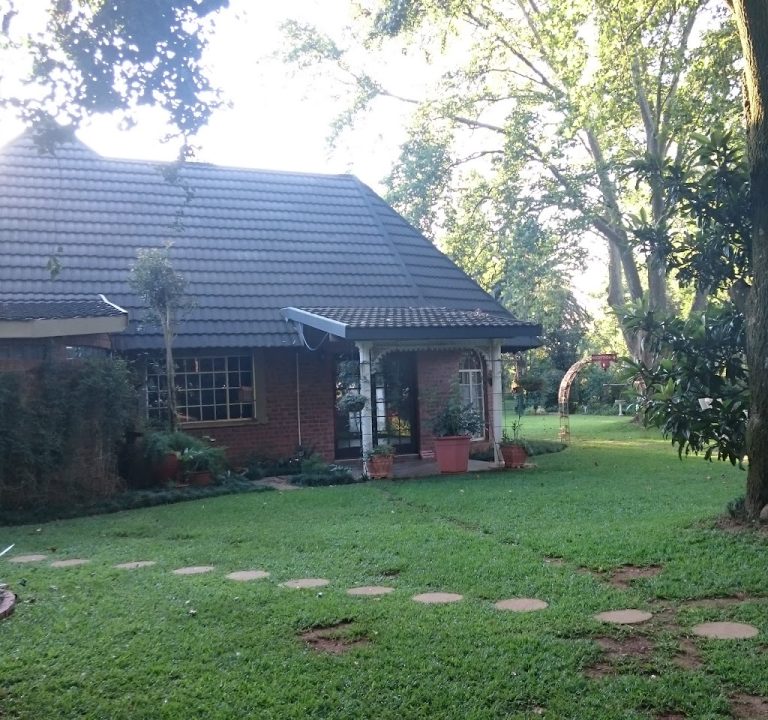
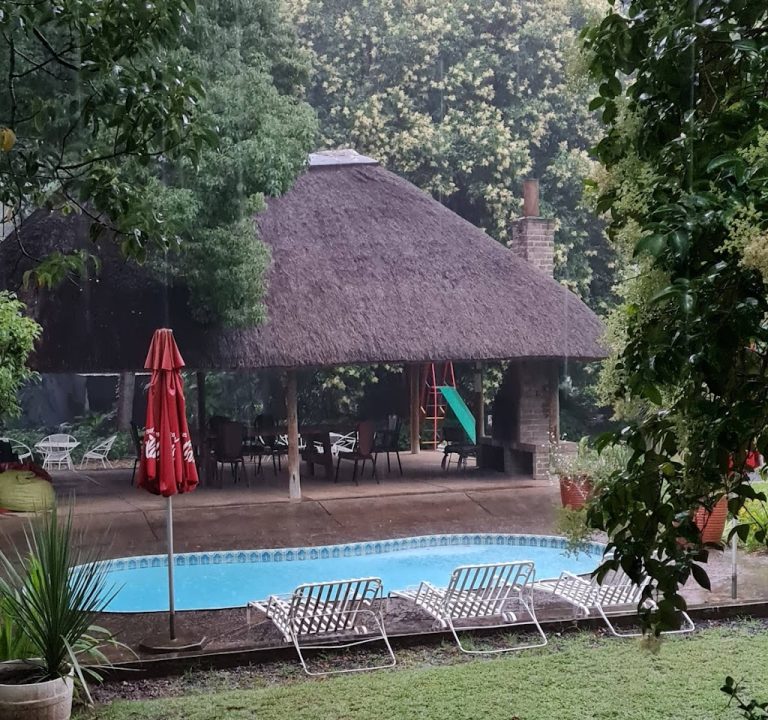
At Off the Grid River Lodge, the focus is on a self‑sufficient, nature‑driven stay. If you are choosing a similar property, expect features that emphasise outdoor living and sustainable comforts: solar power or other off‑grid energy sources, river or woodland views, and terraces or verandas for evening stargazing. Typical amenities at such properties include well‑equipped kitchens or self‑catering facilities, comfortable communal spaces, safe parking, and information packs about local walks and safe swim spots. When booking, check what power and water arrangements are in place, what meals, if any, are offered on site, and whether staff can assist with planning day trips or activities.
Winterton’s surroundings invite outdoor exploration. The area is well suited to light hikes, birdwatching, and scenic drives, with forests, rivers and farm lanes providing tranquil settings for strolls and picnics. For overnight stays, consider a base close to the river or on higher ground with views of the valley. If you prefer a more remote feel, some lodges are perched in quiet corners of the countryside, offering privacy and a sense of being immersed in nature. For those seeking cultural insight, nearby towns and rural settlements can provide a window into local crafts and everyday life, without the bustle of larger tourist hubs.
Transport planning is practical and straightforward. Having access to a car significantly broadens your range of options, enabling you to explore local trails, farms and viewpoints at your own pace. Some accommodation providers offer transfers or can arrange guided experiences, but independent travel remains common, especially for guests who value the freedom to set their own timetable. If you plan to rely on public transport, check the nearest stop or service and consider how easy it is to reach dining options or activity starting points on foot or by a short ride.
Regarding the best time to visit, Winterton’s climate is generally mild in the cooler months and warm in the summer, with seasonal variations influencing the best windows for outdoor activities. Spring and autumn often bring pleasant temperatures for walking and scenic drives, while summer can be lush and vibrant, albeit with occasional showers. If you are visiting for wildlife or birdlife, ask your host about seasonal patterns and the best times for viewing. Off‑grid properties may have cooler evenings and require packing layers, a hat, sunscreen, and good footwear for uneven terrain.
When booking, consider a few practical tips to ensure a smooth stay. First, read the description carefully to understand how power and water are provided, what cooking facilities are available, and whether linens and towels are supplied. Next, assess accessibility and driving conditions, especially if your lodge sits on rural lanes or uneven terrain. If you are celebrating a special occasion or planning a quiet retreat, let the property know in advance—hosts often have thoughtful suggestions for a private meal, a sunset vantage point, or a recommended local walk.
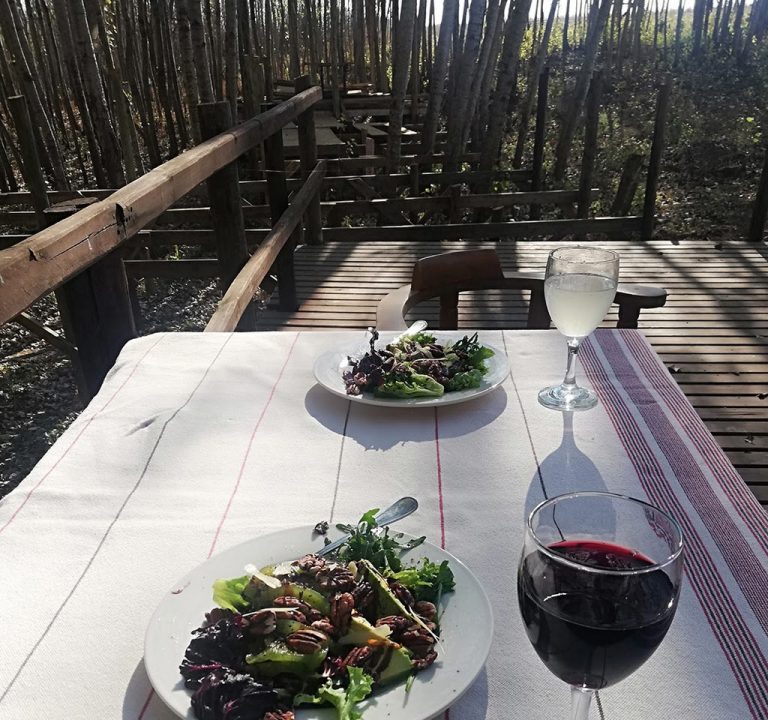
Dining and activities in the area tend to reflect a slower pace and a connection to the landscape. You may find homespun meals, farm-to-table dishes, or simple, wholesome fare at on‑site or nearby eateries. For a more immersive experience, enquire about guided walks, river swims, or birding routes that can be arranged through your accommodation. While specific venues and menus can change, the emphasis is usually on fresh, locally sourced ingredients and a relaxed, friendly atmosphere rather than formal dining expectations.
Practicalities for a comfortable stay include bringing appropriate footwear for uneven paths, a light layer for cooler evenings, and a compact bag for day trips. Respect for the natural environment is part of the charm here: pack out what you pack in, stay on marked trails, and observe any local guidelines for river crossings or wildlife encounters. If you are planning a longer visit, consider combining your time in Winterton with a broader KwaZulu‑Natal itinerary—for example, a short drive to nearby nature reserves, towns with heritage routes, or scenic country lanes that showcase the province’s varied landscapes.
- Choose accommodation with clear off‑grid or sustainability features if this is important to you
- Confirm what is included in your stay (linens, towels, meals, cooking facilities)
- Check accessibility and vehicle requirements for rural roads
- Ask about guided walks or experiential activities offered by the host
- Pack appropriately for outdoor activities and variable weather