Accommodating Cape Town: Where to stay and how to plan your visit
Cape Town in the Western Cape offers a diverse mix of accommodation styles to suit every traveller, from intimate B&Bs and boutique hotels to family-friendly guesthouses and self‑catering apartments. When planning a stay, it helps to think about what you want to get out of the city: iconic scenery, easy access to beaches, vibrant dining scenes, or a quieter base from which to explore wine country and nature reserves. Ocean View, a recognised option among hotels in the region, illustrates the range of choices available near the city’s famed landmarks.
Areas to consider include the City Bowl and the V&A Waterfront for convenience and nightlife, the Atlantic Seaboard for dramatic coastal scenery and beach access, and Constantia or the Southern Suburbs for a quieter, leafy stay with easy access to wine estates and hikes. Bo‑Kaap offers a historic neighbourhood atmosphere close to museums and viewpoints, while Woodstock and the inner suburbs provide a blend of rejuvenated shop fronts, creative spaces, and excellent dining. If you prefer nature on your doorstep, look for lodges or self‑catering options near the Cape Peninsula and Table Mountain National Park, where trails and panoramas reward early starts.
When booking, consider the following given the city’s varied geography and climate:
- Proximity to your planned activities: If you intend to hike Table Mountain or visit the Cape Point reserves, staying closer to the Atlantic Seaboard or Cape Town’s southern suburbs can save travel time.
- Type of accommodation: Boutique hotels offer personalised service and stylish interiors; guesthouses and B&Bs often include breakfast and a more intimate atmosphere; self‑catering apartments give flexibility for longer stays.
- Amenities to look for: Reliable Wi‑Fi, secure parking, on‑site dining or easy access to nearby restaurants, a pool or outdoor space, and a guest services desk with local recommendations.
- Transport options: Factoring in access to MyCiTi buses, ride‑hailing services, or car hire will influence location choices, especially if you plan to explore beyond central Cape Town.
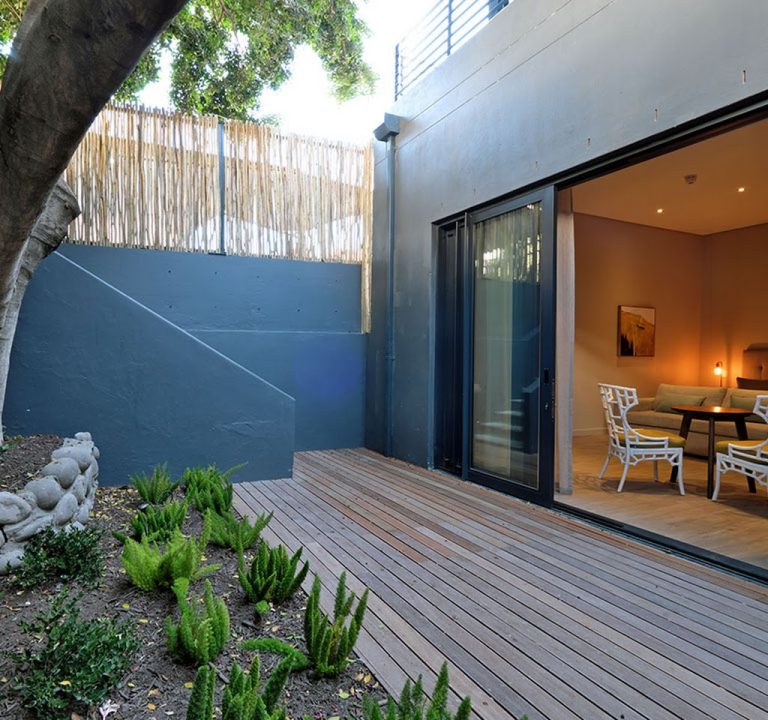
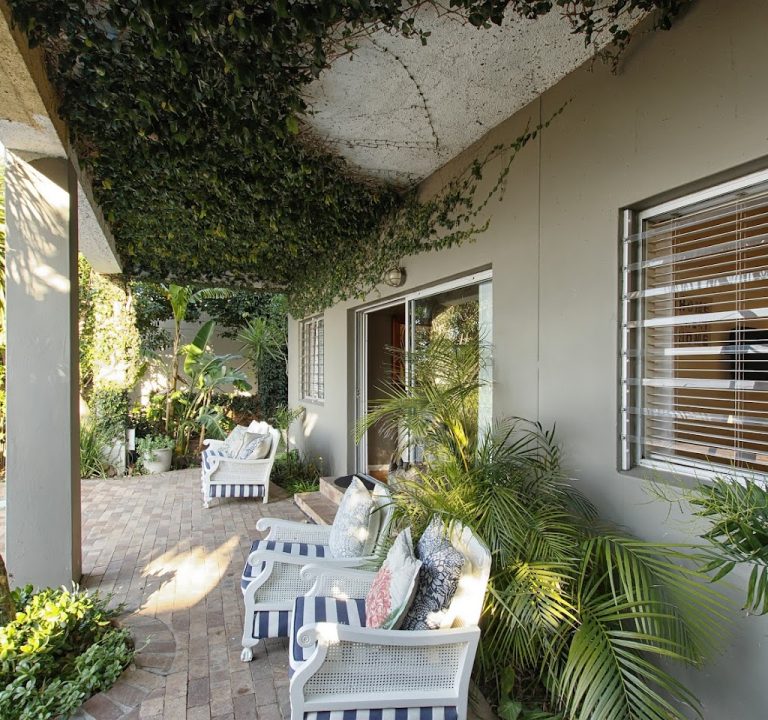
Typical amenities you may find in the range of Cape Town accommodation include comfortable beds, private or shared bathrooms, daily housekeeping, and kitchen facilities in self‑catering units. Many properties also offer coastal views, sun decks, and lounge areas that capitalise on the city’s outdoor lifestyle. If you are visiting during peak seasons, particularly the southern hemisphere summer, it is wise to book ahead and confirm check‑in times, breakfast options, and late‑arrival arrangements.
Practical planning tips can help you make the most of your stay. Pack for variable weather, as Cape Town’s coastal climate can shift quickly from warm, sunny mornings to breezy evenings. Embrace mornings on the mountain or by the sea, then unwind at sunset with a drink at a rooftop or harbourfront venue. When it comes to transport, a small, easily navigable car is often useful for exploring wine routes to the east or nature reserves to the south, but Uber and other ride‑hailing services are convenient in the city centre and along the coast. If you are staying in a neighbourhood with limited on‑site dining, choose a base with a kitchenette or easy access to a handful of nearby eateries to avoid long dinners out after a long day of sightseeing.
The best time to visit Cape Town depends on your priorities. Spring (September to November) brings mild temperatures and blooming flora, making it ideal for outdoor activities and wine touring. Summer (December to February) offers long days and coastal hotspots, perfect for beaches and waterfront experiences, though it is busier. Autumn (March to May) is pleasant with fewer crowds, while winter (June to August) brings cooler, wetter weather and fewer tourists, which can be ideal for city museums, fine dining, and lower‑season deals. If you plan to hike or enjoy outdoor viewpoints, aim for early mornings to beat the crowds and catch the best light for photographs.
Dining and experiences are integral to a Cape Town stay. Expect a restaurant scene that ranges from informal seafood shacks to refined dining rooms offering contemporary South African cuisine. Many properties provide guest recommendations or in‑house dining arrangements, and local tours can pair you with winemakers, coastal viewpoints, and cultural highlights. For a relaxed day, consider coastal walks, markets, or harbour strolls, followed by a café or wine‑bar stop that showcases the city’s hospitality and flavours without committing to a fixed itinerary.
As you map your itinerary, remember that Cape Town offers a blend of natural beauty, urban energy, and cultural heritage. Balancing a couple of full‑day outings with lighter, local experiences can help you acclimate and enjoy the city without feeling rushed. For further inspiration and practical planning, visit Cape Town’s official tourism resources and explore property pages that highlight Ocean View and other accommodation options, ensuring you align your stay with the occasions you’ll most appreciate during your visit.