Johannesburg: A Practical Guide to Accommodation, Attractions and Local Flavours
Johannesburg, Gauteng, offers a diverse mix of staying options to suit different itineraries and budgets. When planning a stay in the city, consider what neighbourhood will place you closest to the activities you value most—whether that’s cultural sites, vibrant markets, or easy access to transport links for day trips. A self-catering base can be a wise choice for longer visits, providing flexibility and a home-from-home feel, while boutique guesthouses and hotels can offer tailored local guidance and curated experiences.
Areas to consider include the central and northern hubs that blend convenience with character. The city centre is undergoing ongoing revival, with easy access to museums, theatres, and rooftop cafés. Sandton and Rosebank are well connected by Gautrain links and offer a range of modern hotels, shopping, and dining. For a more artsy, relaxed vibe, Maboneng and Newtown showcase street art, markets, and eateries, while the neighbourhoods of Observatory and Parkhurst provide quieter streets with dining options and convenient transport access. If you’re seeking leafy tranquillity or proximity to parks, Emmarentia and surrounding suburbs offer residential ambience with outdoor spaces. Soweto presents a historically rich context for guided tours and authentic experiences, typically best explored with reputable local operators.
Typical amenities to look for when booking a stay include reliable wi‑fi, a well-equipped kitchen or kitchenette (for self-catering bases), on-site or secure parking, 24‑hour security or access control, and easy lifts or ground-floor access where needed. questions to ask before confirming a booking might include: Is there 충분 off-street parking? Is housekeeping included or available on request? Are there flexible check-in times? Is the neighbourhood safe for evening strolls? These details can shape the pace and enjoyment of your visit.
Transport in Johannesburg is well supported by a mix of rail, rideshare, and road networks. The Gautrain links Johannesburg to OR Tambo International Airport and other major hubs, making weekend city breaks convenient. Within the city, Uber and other ride-hailing services are common, and many accommodation options provide guidance on local routes and safe travel at night. If you’re driving, check whether the property offers secure parking, and be mindful of peak-hour traffic patterns on busy corridors. For those wanting to explore on foot, choose a base within easy reach of markets, cafés, and a few short strolls to nearby attractions.
Best time to visit Johannesburg tends to align with its seasonal patterns. The dry winter months (roughly May to August) offer cooler temperatures that are comfortable for outdoor activities and sightseeing, though evenings can be chilly. The summer months bring warmer days and afternoon thunderstorms; this can be lush for outdoor parks and gardens but may require flexible plans in the afternoon. Translating this to bookings, many travellers find winter stays ideal for urban exploration and museum visits, while summer visits suit those who enjoy markets, rooftop venues, and nature escapes with afternoon rain showers.
When planning activities, consider a mix of cultural experiences, nature escapes, and dining adventures. Must-see attractions in broad terms include world-class museums and galleries, historic sites, and markets where local crafts and foods can be sampled. For a balanced itinerary, pair a morning of cultural discovery with an afternoon in a park or botanical setting, followed by an evening in a neighbourhood known for its dining scene. For those seeking guided insights, many operators offer bike or walking tours, township visits with safety-focused guides, and food experiences that showcase Cape-style flavours adapted to South African ingredients. Always verify the credentials of operators and read recent guest reviews to understand what to expect in terms of safety, pacing, and inclusions.
Dining in Johannesburg ranges from casual bistros to modern eateries that highlight regional produce and international influences. In central and northern districts you’ll find a mix of relaxed cafés, vibrant casual restaurants, and more sophisticated venues. In other neighbourhoods, the dining scene can be intimate and eclectic, often with menus that change seasonally. When selecting restaurants, consider reservations for peak times and check for energy levels and accessibility options to suit your plans. For a comfortable stay, many accommodation options offer on-site or recommended partner dining experiences and local tips to help you plan evenings without long commutes.
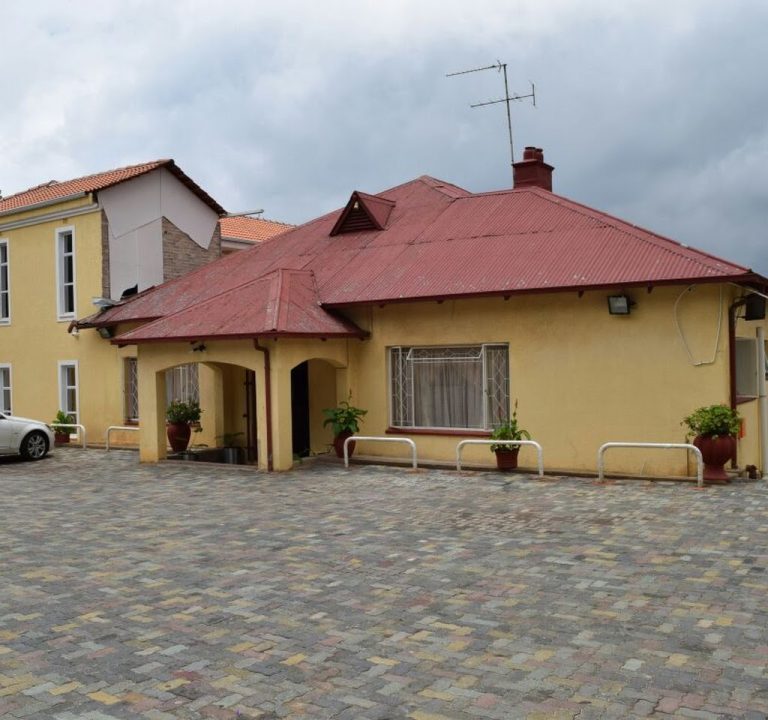
One well-featured example of self-catering accommodation in Johannesburg is Observatory House, a property marketed as a self-catering option in the Observatory area. The website provides information on its self-catering setup and location, useful for guests who prefer to prepare meals and enjoy a home-like base during their stay. More details and bookings can be found at Observatory House.
- What to look for when booking:
- Location relative to planned activities and transport links
- Quality kitchen facilities and pantry amenities for self-catering stays
- Secure parking and building security features
- Clear check-in/check-out procedures and flexible timing
- Recent guest reviews focusing on cleanliness, noise levels, and safety
- Accessibility considerations, such as lifts and step-free access
Johannesburg is a gateway to Gauteng’s energy and culture, where a well-planned stay can balance convenience with the city’s lively character. By choosing a neighbourhood that suits your interests, confirming practical details in advance, and incorporating a mix of attractions and dining experiences, you can enjoy a memorable visit that feels both relaxed and connected to what the city has to offer.