Staying in Mthatha: accommodation tips, transport, and things to do
Mthatha in the Eastern Cape is a gateway to both rich cultural history and South Africa’s scenic coastline and hinterland. When planning a stay, think about which neighbourhoods or surrounding areas will best suit your interests and budget, as well as how you’ll get around to explore both the town and its neighbouring attractions. A well-rounded visit often combines a comfortable base with easy access to markets, eateries, and the outdoors.
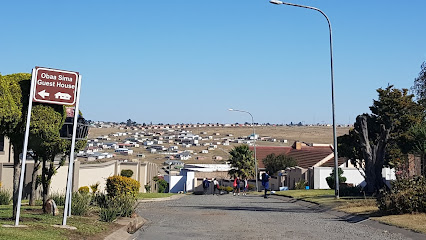
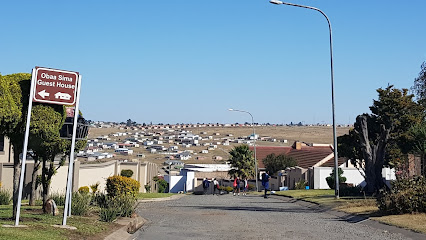
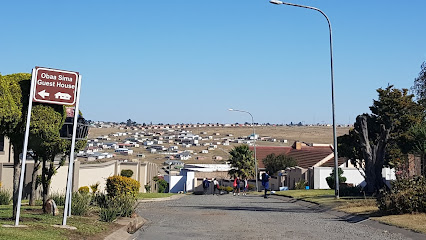
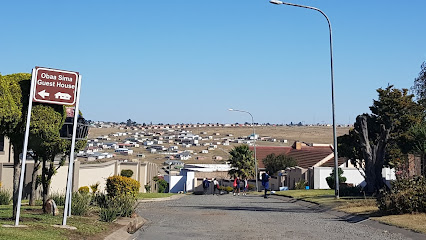
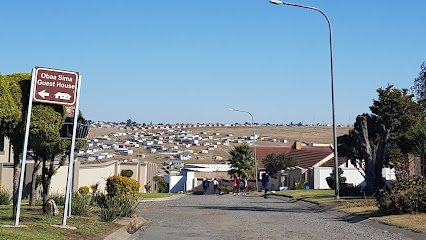
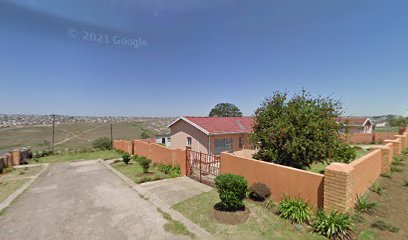
One option to consider is a guest house or small boutique accommodation, such as the Obaa-Sima Guest House, which can provide a friendly, intimate atmosphere with personalised service. Such stays often offer a useful balance between price, comfort, and local insight, with common areas designed for socialising or quiet breaks between day trips. When booking a guest house, look for options that emphasise guest-focused service, clear breakfast arrangements, and responsive managers who can share local tips on transport routes and safe neighbourhoods.
Areas to consider for your stay include the town centre, where most guest houses and B&Bs cluster and where you’ll find convenient access to shops, markets, and dining. If you prefer a quieter stay, consider pockets on the edge of town or near residential streets that retain a village-like feel while still being within reach of central amenities. Proximity to major roads or public transport hubs can simplify day trips to nearby towns, wildlife reserves, or coastal outings.
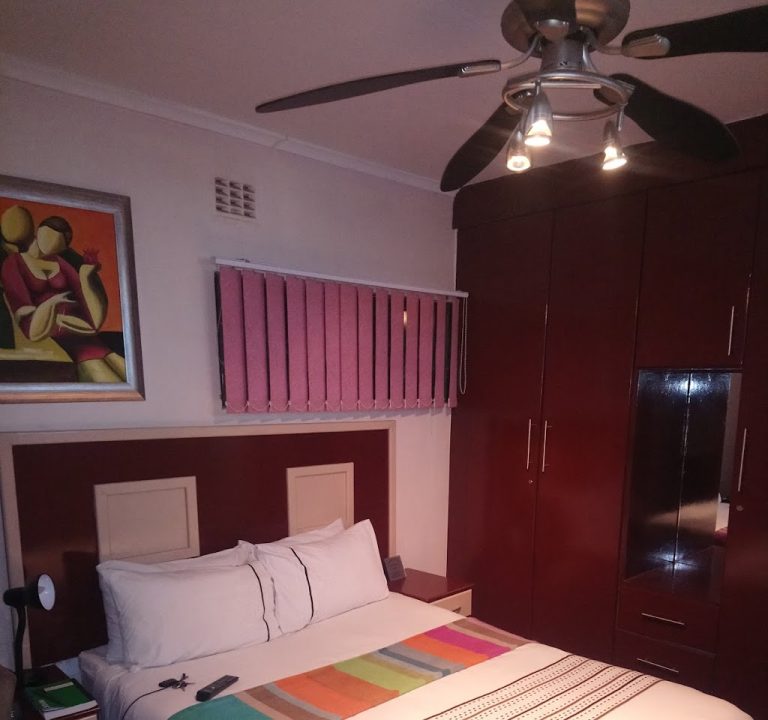
Typical amenities to look for in accommodation include secure parking, reliable Wi‑Fi, and a comfortable bed with clean, well-presented spaces. Many guest houses offer inclusive breakfasts, which can be a practical start to busy sightseeing days. Additional niceties to consider are air-conditioning or fans (important in humid months), ensuite bathrooms, and access to a small lounge or outdoor seating area. If you are travelling with family or a group, ask about family rooms or interconnecting options, as well as suitability for friends sharing rooms.
Booking tips to help secure a good stay include comparing several properties, reading recent guest reviews, and noting cancellation policies. Flexible rates and advance bookings can be advantageous during peak travel periods. When communicating with hosts, specify your estimated arrival time and any special needs—dietary requirements for breakfasts, accessibility concerns, or luggage handling may influence room allocations. Always confirm what is included in the rate (parking, breakfast, Wi‑Fi) and whether there are any local taxes or service charges to anticipate.
Transport in and around Mthatha is a practical consideration for planning your itinerary. If you are relying on public transport, check how easily you can reach town attractions and nearby towns; some routes may run only on certain days or peak at particular times. For those driving, familiarity with local road conditions and signage helps; many guest houses provide on-site parking, and a few may assist with secure, gated options. If you prefer guided experiences, inquire whether the accommodation can arrange trusted local guides for cultural tours, nature walks, or birdwatching excursions.
The best time to visit Mthatha generally aligns with the region’s milder seasons, avoiding the peak heat of summer or heavy winter spells, depending on personal preference. Spring and autumn can offer pleasant temperatures for outdoor activities and sightseeing without excessive crowds. Wet season periods may bring lush landscapes but require packing for variable weather. It’s wise to plan some indoor alternatives—cultural centres, markets, or cafés—so your stay remains enjoyable in any weather.
Around town, several attractions and experiences await visitors, with options that suit a range of interests. You might spend part of your stay exploring local heritage and history, appreciating the stories embedded in museums or cultural spaces. For nature lovers, consider short excursions to nearby green spaces or riverside trails, which can provide scenic views and peaceful settings. For dining, you’ll find a mix of informal cafés and family-run eateries offering traditional fare and contemporary twists; many places emphasise fresh, seasonal ingredients and friendly service. In planning restaurant stops, consider trying a few places recommended by locals or your accommodation hosts to get a genuine sense of the area’s hospitality and flavours, without committing to a single long list of names.
Practical tips to help you enjoy a smooth stay in Mthatha include packing for variable weather, having comfortable walking shoes for town streets and markets, and keeping a small amount of local currency handy for spontaneous purchases. Plan ahead for peak visiting times at attractions and markets to avoid long queues. If you are travelling with a camera or gear, carry a secure bag and be mindful of personal belongings in busy areas. When it comes to tips and etiquette, polite conversations with hosts and staff are appreciated, and a respectful approach to local customs will enhance your experience. Finally, always verify direct contact methods and official websites for up-to-date information on opening times and services, particularly for planning day trips or guided experiences.
- Choose accommodation that aligns with your preferred pace—quiet streets for relaxation or central hubs for easy access to shops and eateries.
- Look for clear communication, reliable breakfast options, and parking or transport guidance from your host.
- Plan a mix of cultural, historical, and natural experiences, with flexible backup options for weather or day trips.