Greyton: Lodging, Planning and Practicalities for a Relaxed South African Escape
Nestled in the Western Cape, Greyton blends tranquil village charm with easy access to rugged scenery and outdoor adventures. When planning a stay, think about your priorities: a cosy base for long walks and cycling, a self-catering retreat for flexible meals, or a boutique guesthouse with a warm, personalised welcome. The village and its surrounding countryside offer a range of accommodation styles, from small lodges to guesthouses and country retreats, each with its own character and handy amenities.
Accommodation in Greyton often centres on two main hubs: the village core and the rural fringes. The village offers compact, walkable streets with cafés, a village green and several friendly eateries, plus short, scenic strolls to nearby streams and viewpoints. Staying closer to the centre provides convenient access to shops, markets and the start points for walking and cycling routes. If you prefer a quieter, more countryside ambience, look for lodges or guesthouses set along quiet lanes or near the surrounding farms, where terraces or verandas let you soak up the landscape in privacy.
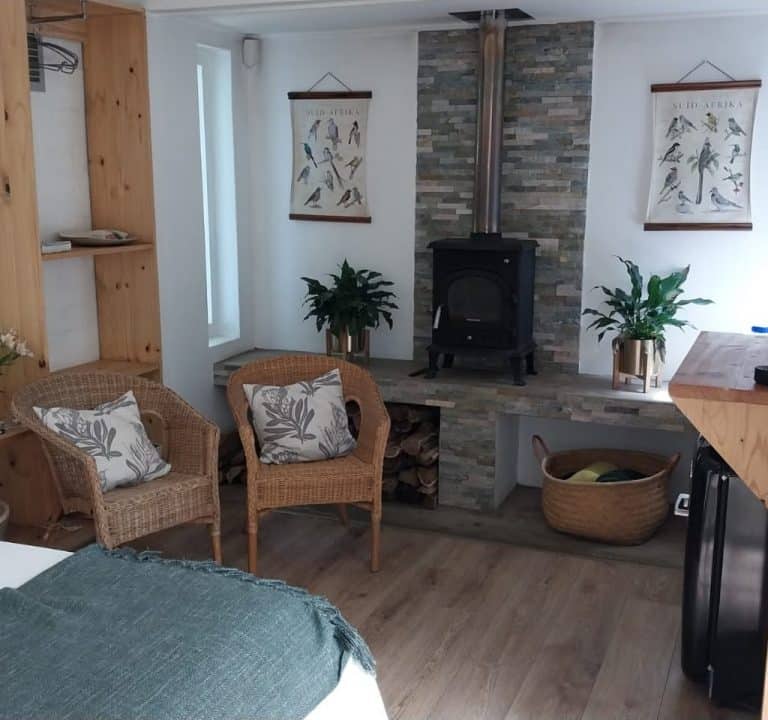
Typical lodging styles include charming B&Bs with breakfast options, self-catering cottages that feel like a home away from home, and small lodges with a focus on scenic tubs, wood-burning stoves or fireplaces for cooler evenings. Amenities often extend beyond the basics to embrace outdoor spaces, secure parking, Wi‑Fi for those who need to stay connected, and easy access to the garden or sunlit courtyards. If you are travelling with equipment for outdoor activities, check for secure bike storage, drying space for wet gear, and laundry facilities. For families, child-friendly rooms, additional bedding options and the flexibility of kitchen facilities can make a big difference to comfort and cost.
When you book, consider what you plan to do during your stay. The area is popular for nature walks, short hikes and longer trails that reveal rolling farmlands, fynbos, and the scent of wild herbs after rain. A stay that offers a map or guest information folder with suggested routes, local tips, and safety pointers can save time and enhance your experience. Some properties also organise guided walks or offer recommendations for cycle routes and scenic drives, which can be a handy way to discover hidden viewpoints without the hassle of planning each day from scratch.
Transport and getting around are manageable with a car, which is often the simplest option for those looking to explore Greyton’s surrounding scenery and to visit nearby towns. If you prefer not to drive, check whether your accommodation offers a shuttle service or can arrange a local transfer. Public transport options are more limited, so a car or organised day trips tend to work best for most visitors. If you do bring a vehicle, ask about parking arrangements, including whether there is on-site parking or street parking restrictions in the village centre.
The best time to visit Greyton depends on what you wish to experience. Spring and early summer bring vibrant greenery and wildflowers after winter rains, making it a wonderful period for walkers and photographers. Dry, sunny autumn days are ideal for longer hikes and outdoor meals al fresco. Winter is cooler and calmer, which can be perfect for cosy stays by the fire in a well-insulated lodge or cottage. Summer can be pleasant but busier, especially on weekends, so booking ahead is wise if your itinerary relies on specific dates or a particular property.
Practical planning tips
- Book early for peak periods, such as school holidays and long weekends, to secure your preferred type of accommodation and location.
- Clarify what meals are included—some places offer continental or cooked breakfasts, while others are fully self-catering. If you’re after dinners or picnic options, check local restaurant openings and any on-site dining arrangements.
- Confirm accessibility and suitability if you have mobility requirements. Some countryside lodges have uneven paths or stairs, so verify floor plans and available facilities.
- Ask about heating, hot water and, if relevant, wood-burning stoves or fireplaces for cosy evenings. Seasonal comfort often hinges on how well a property maintains warmth during cooler months.
- Inquire about kitchen facilities, laundry options, and whether towels and linens are provided. These details can influence how you pack and how long you stay without resupply.
- Look for information about local attractions and walking routes in advance. A well-curated guest information pack or a quick chat with hosts can save time and help you tailor days to fit weather and energy levels.
- Make use of online resources and the property’s website for practical tips, including directions, check-in times and any house rules, to ensure a smooth arrival.
Greyton is not just a place to sleep; it is a gateway to a relaxed country experience. After a day on the hills or along the river, settle into a comfortable base such as Oak Falls, a lodging option that emphasises a restful stay in a scenic setting. You can learn more about Oak Falls and plan your stay through their website at oakfalls.co.za. When you’re ready to explore, the village’s cafés, bakeries and informal eateries offer comforting meals and artisan favourites, while the surrounding countryside invites a sense of discovery, whether you are a keen hiker, a cycling enthusiast or simply seeking a restorative retreat in the Western Cape.