Accommodation and Experiences in uMhlanga, KwaZulu-Natal: Where to Stay and What to Do
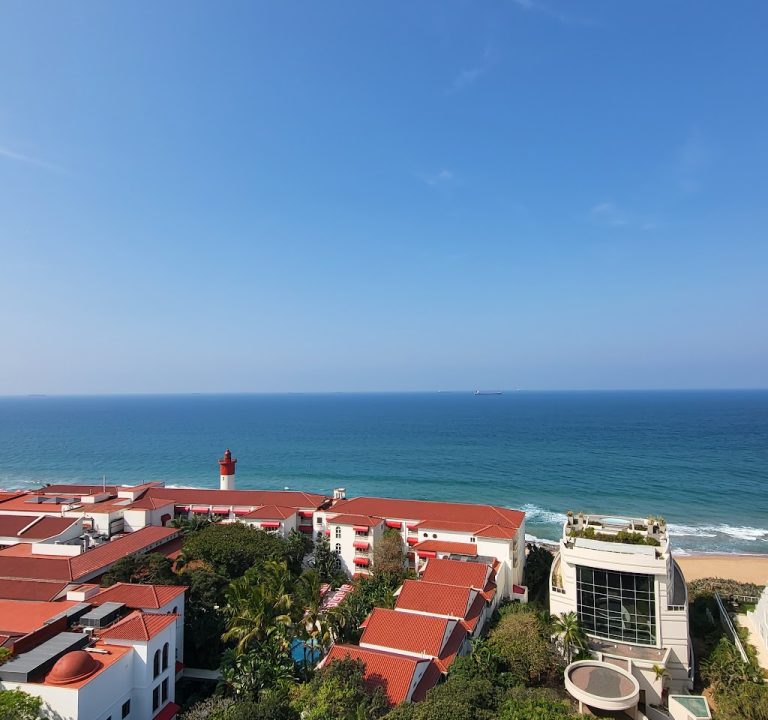
uMhlanga is a coastal coastal town north of Durban that offers a balanced mix of sun, sea, refined guesthouses and modern villas, all within easy reach of beaches, shops and dining. When planning a stay, consider the rhythm of the town’s shoreline, the convenience of transport routes and the type of neighbourhood that suits your style, from relaxed coastal zones to more bustling, pedestrian-friendly precincts.
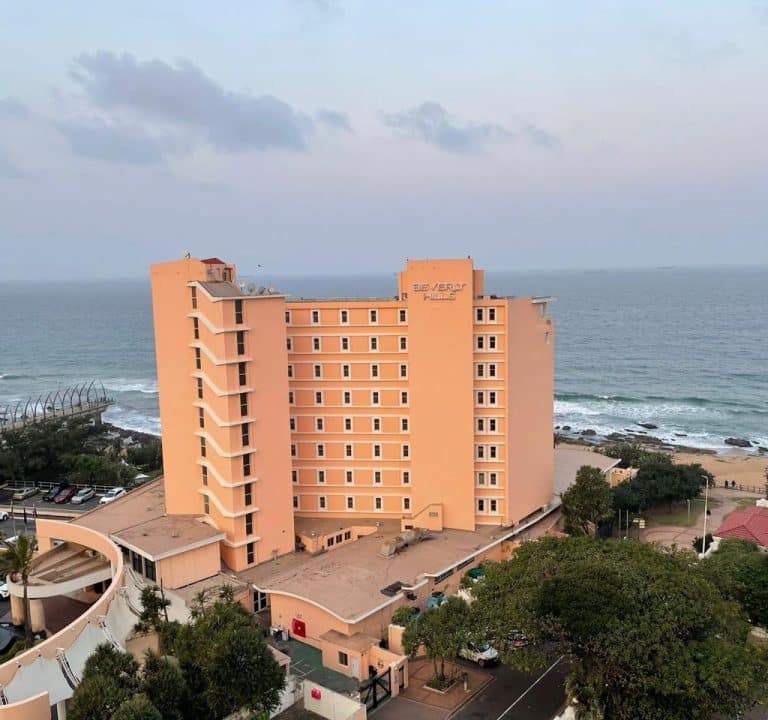
Areas to consider when choosing a base in uMhlanga include the traditional beachfront stretch, where palm-lined promenades invite early-morning jogs and sunset strolls, and the more contemporary residential zones a short drive inland. If you prefer proximity to the sea and a lively dining scene, aim for accommodation near the coast. For quieter evenings and easy access to shopping centres, a villa in a residential neighbourhood a few minutes from the shore can be ideal. When comparing options, think about access to a safe and well-lit entrance, parking arrangements, and how close the property is to the main promenade and public transport links.
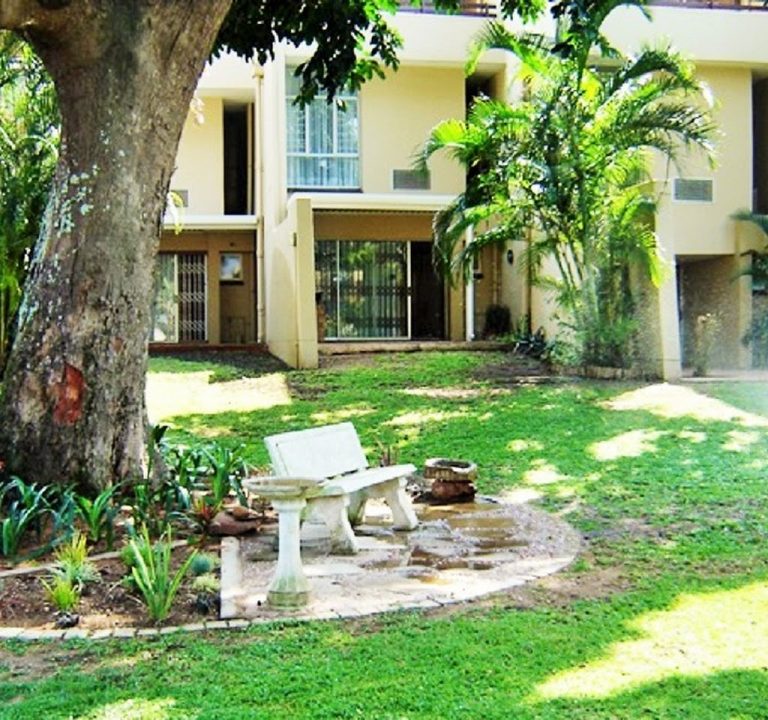
North Shore Suites Umhlanga, a stylish villa-style option, exemplifies the kind of thoughtful accommodation that suits a modern coastal break. While each property will have its own unique features, common advantages include a homely atmosphere, well-equipped kitchens or kitchenettes, comfortable living spaces, and private outdoor areas that let you enjoy warm evenings without leaving the premises. If you plan to self-cater, look for a well-equipped kitchen, good water pressure, reliable heating or cooling, and secure parking. For those who prefer a more serviced approach, many guesthouses and boutique hotels offer daily housekeeping, on-site staff, and a reception area with local advice.
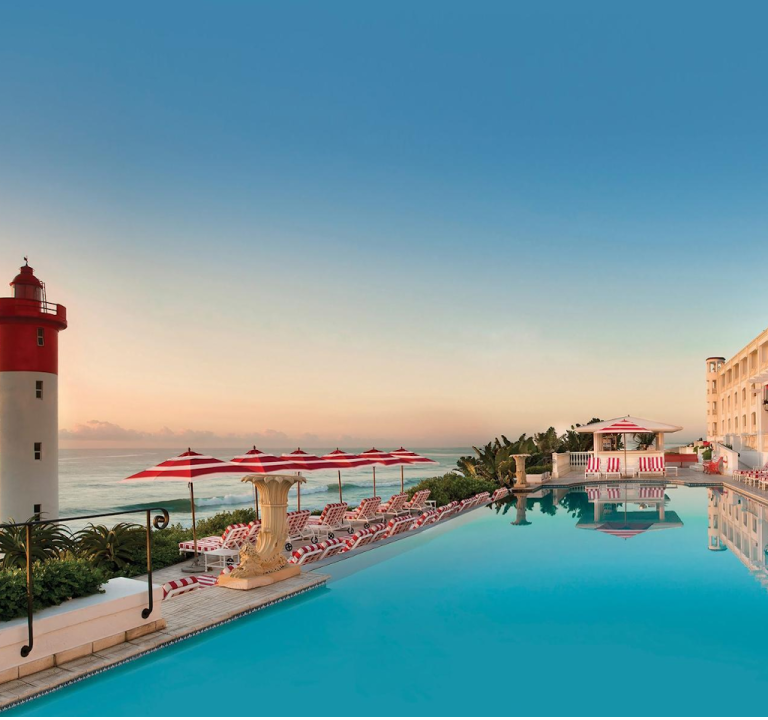
Typical amenities you might expect or request when booking include air conditioning or efficient fans for Durban’s warmer days, free Wi‑Fi, secure access, and on-site parking. Some properties offer additional conveniences such as private balconies, barbecue facilities, or access to a shared swimming pool. For families or longer stays, consider apartment-style units with separate bedrooms, washing facilities, and reliable laundry options. When booking, verify check-in times, whether late arrival can be accommodated, and what cancellation policies apply if your plans shift.
Transport and getting around are practical considerations. uMhlanga is compact enough to explore on foot along the promenade, but visitors often rely on car hire or rideshare services for trips to nearby Durban, the rich coastal landscapes, or day trips to the Valley of a Thousand Hills and the surrounding suburbs. If you plan to drive, check whether the accommodation offers secure off-street parking or boasted on-site garages. For those without a vehicle, choose a location near the promenade or a taxi or shuttle-friendly area with easy access to the main roads and public transport options.
The best time to visit uMhlanga is guided by the coastal climate and personal preferences. Summer (November to February) brings warm seas and longer days, ideal for beach time and water activities; however, this is also peak season, so expect busier streets and higher prices. Winter (June to August) offers cooler, comfortable days suitable for long strolls along the promenade and exploring indoor attractions such as shopping precincts and cafés. Shoulder seasons can be excellent for balanced crowds and pleasant weather. If you are planning outdoor activities such as sea swims, surfing, or stand-up paddleboarding, keep an eye on local weather and sea conditions, and consider joining a guided or group activity for safety and enjoyment.
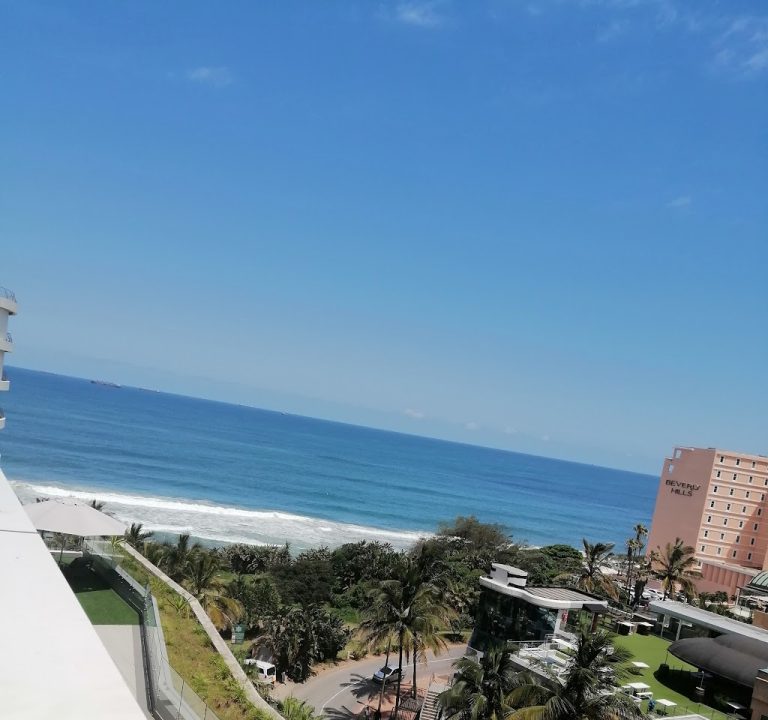
Exploring attractions and experiences in and around uMhlanga can be easy and rewarding without aiming for a rush of famous names. The coastline provides sweeping views, tidal pools, and a generous splash of sunshine. The promenade invites a relaxed pace, with opportunities to stop for coffee, watch surfers, and observe local wildlife along the shore. For shopping and dining, the town features a range of modern centres and village-style precincts where visitors can wander between boutiques, casual eateries, and family-friendly cafés. If you crave a broader foray into KwaZulu-Natal’s coastline, day trips to nearby coastal towns, nature reserves, or the inland hills offer additional possibilities for discovery.
Practical tips for a smoother stay:
- Book early in peak seasons to secure property types you prefer, especially if you want a villa with a private pool or a unit near the promenade.
- Read guest reviews focusing on comfort, noise levels at night, and the responsiveness of the host or management team.
- Check parking arrangements and access to the property, particularly if you are travelling with luggage, children, or mobility needs.
- Plan a tentative day-by-day mix of beach time, shopping, and relaxed dining to avoid overbooking activities.
- Respect local regulations and the environment—use recycling facilities where available and dispose of waste thoughtfully after day trips.
For planning inspiration and practical travel ideas, official tourism guides and local visitor information can be helpful resources. A good starting point is the KwaZulu-Natal and South Africa tourism pages, which offer broad insights into coastal destinations, experiences, and practical planning tips. Always verify current guides and opening times for attractions and restaurants, as seasonal changes can affect availability and hours of operation.