Lebowakgomo: Where to stay and what to do in Limpopo
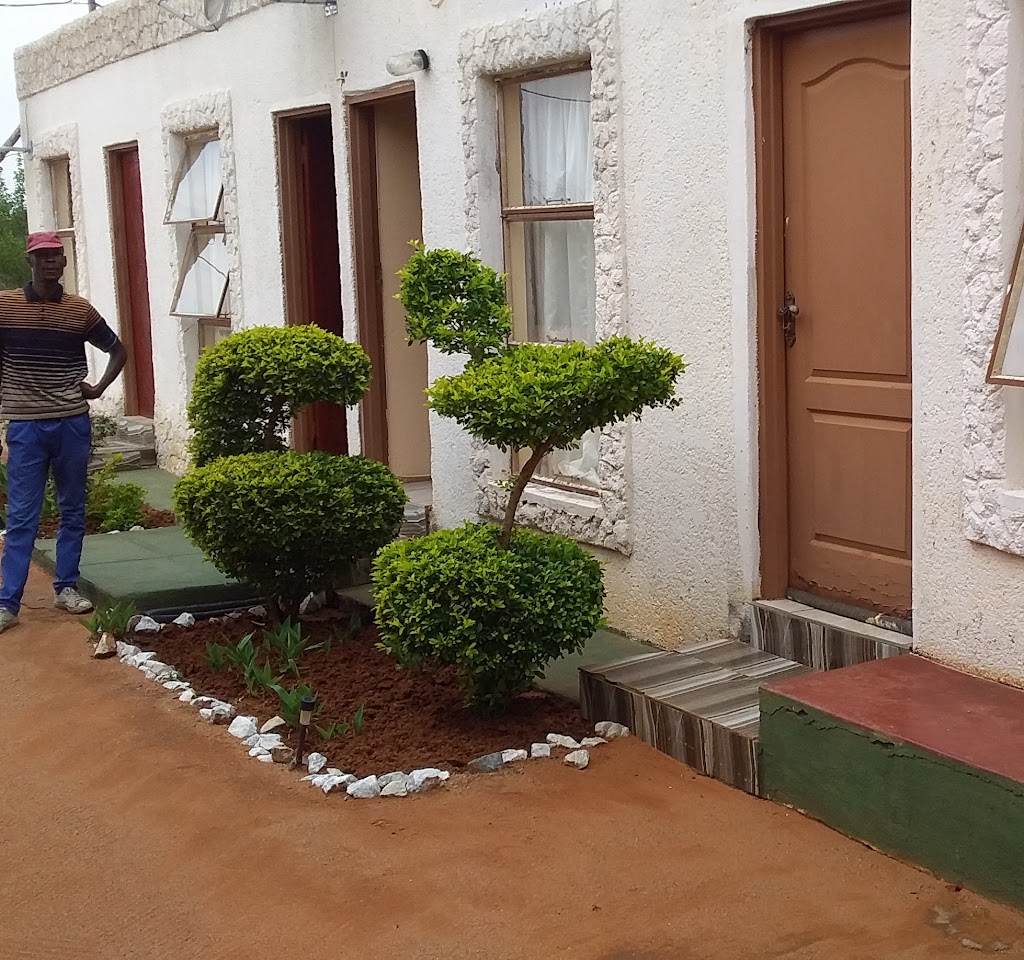
Lebowakgomo sits in the heart of Limpopo, a practical base for travellers seeking a quiet stay with access to the wider Waterberg region and Polokwane’s urban conveniences. Accommodation here tends to prioritise comfort, value for money and a friendly, home-from-home atmosphere. Whether you are visiting for business, a family break, or a wildlife-focused excursion, you’ll find lodgings that blend practical amenities with a warm, local flavour. Nomzamo Guest House, for example, represents a welcoming option within the locale and provides a clear sense of how guest houses can combine privacy with personalised service. See its site for details: Nomzamo Guest House.
When planning a stay, consider which part of Lebowakgomo suits you best. The town centre offers easy access to shops, markets and everyday services, while neighbouring precincts may provide quieter residential streets and garden spaces. If you are travelling by car, look for properties with onsite parking or good security where parking is convenient. For those relying on public transport, check access to taxi routes or shuttle options, and whether the guest house can assist with arranged transfers or guided day trips.
Typical accommodation in the area ranges from modest guest houses and BnBs to comfortable guest suites within small hotels. Common amenities include free Wi-Fi, air conditioning or fans, secure parking, en-suite bathrooms, and delicious breakfast options. Some properties offer self-catering facilities, outdoor seating, or a pool, which can be especially welcome during warmer months. Room configurations often cater to couples as well as families or small groups, with flexible layouts to optimise space and privacy.
Practical planning tips for a stay in Lebowakgomo include budgeting for a few practical needs: roughly, meals outside the guest house, fuel for road trips, and the potential for day trips to wildlife or cultural sites. If you are visiting during the peak dry season, you may experience cooler mornings and warm afternoons, so packing layers can help. The rainy season can bring afternoon showers, so a lightweight waterproof layer is handy. Having a basic phrasebook or a translation app can enhance interactions, as not all local conversations will be in English.
Attractions in and around Lebowakgomo tend to focus on the open air and the promise of day trips to larger parks and reserves. Expect nature walks, scenic drives and the chance to observe local wildlife in the broader Limpopo environment. For a broader itinerary, consider short trips to nearby towns or reserves where guided safaris or birdwatching experiences can be arranged through accommodation staff or local operators. While precise venue names and prices are outside the scope of this guide, many visitors enjoy the chance to unwind in the countryside, sample easy-going regional fare, and discover crafts or markets in the area.
Dining in Lebowakgomo is typically relaxed and straightforward, with guest houses often serving breakfast on-site and suggesting nearby cafés or casual eateries for lunch and dinner. Expect generous portions of local favourites, hearty dishes, and friendly service. If you prefer self-catering, many guest houses provide kitchen facilities or communal cooking spaces, allowing you to tailor meals to suit your plans and dietary needs. For a taste of Limpopo hospitality, ask staff for recommendations on where to find braai-friendly spots or traditional-style meals within a short drive.
Transport and access are practical considerations for a comfortable stay. Driving gives considerable freedom to explore the region and nearby towns; ensure your rental car is suitably insured and clearly understood in terms of local traffic rules. If you opt for public transport, plan your day around available services and confirm any hotel or guest house transfer options in advance. Distances in Limpopo can be longer than they appear on a map, so building travel time into your plans is wise.
Best time to visit Lebowakgomo and the wider Limpopo region tends to be the dry winter months, when day trips to parks and reserves are especially pleasant and wildlife viewing can be easier. The summer rains bring lush landscapes and vibrant skies, but occasional downpours can affect road conditions, so check local forecasts and plan accordingly. Shoulder seasons can offer a good balance of pleasant weather and fewer crowds.
To help you prepare, here are practical tips worth keeping in mind:
- Choose accommodation with clear information on parking, security, and check-in times.
- Ask about breakfast options, dietary accommodations, and any on-site facilities such as a pool or communal lounge.
- Request recommendations for nearby eateries, markets, and short day trips from your host or front desk.
- Pack light layers for temperature changes, plus sun protection for outdoor activities.
- Bring cash for small purchases in local markets, and ensure you have a working mobile data plan for maps and communications.
In short, Lebowakgomo offers a straightforward base for travellers looking to explore Limpopo with comfort and convenience. The blend of guest house hospitality, practical amenities and easy access to surrounding natural beauty makes it a sensible choice for a relaxed South African break. Whether you choose a cosy guest house like Nomzamo or another local option, you can expect a friendly welcome, a focus on comfort, and the chance to immerse yourself at a pace that suits you.