Accommodation and experiences in Pretoria: where to stay, eat, and explore
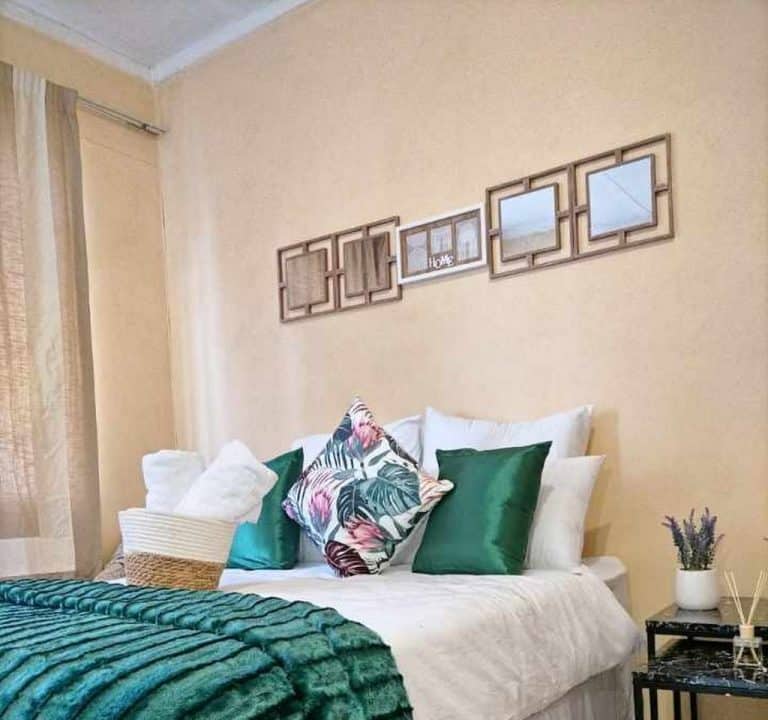
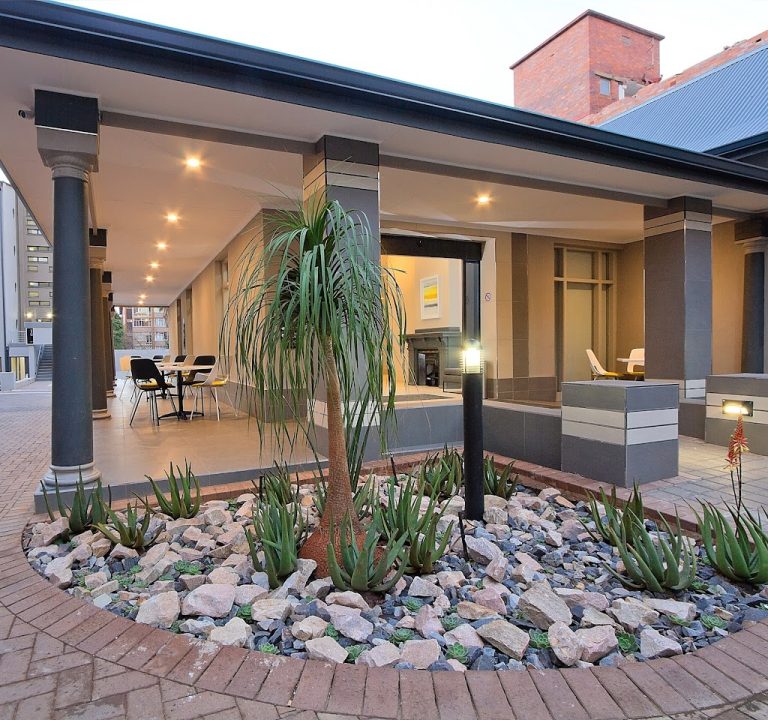
Pretoria, the administrative heart of Gauteng, blends grand colonial and modern design with leafy avenues and a hosting culture that makes it easy to feel at home. When planning a stay, consider choosing a neighbourhood that matches your interests, whether you want quiet suburb tranquillity, easy access to urban attractions, or a lively dining and nightlife scene. Options range from contemporary city hotels to intimate guesthouses and well-appointed lodges, including properties such as Nix Hotel, which illustrate the spectrum of accommodation you’ll find in the capital region.
Neighbourhoods to consider include the central and business‑district areas for convenience, the arcadian suburbs towards the northern hills for a calmer atmosphere, and student-friendly precincts with a wide choice of eateries and bars. Hatfield and Brooklyn offer a vibrant mix of cafes, shops and proximity to universities, while Menlyn and Waterkloof provide more upmarket dining and shopping environments. For a quieter stay with easy access to nature, the Jacaranda Tree-lined avenues in early spring are a favourite, and the eastern suburbs often feature larger rooms and family‑friendly facilities.
When choosing a place to stay, think about how you’ll move around. Pretoria has a reliable Minibus Taxi network, but many visitors prefer rideshares or taxis for convenience. The Gautrain links Pretoria to Johannesburg and O. R. Tambo International Airport, making day trips or onward travel straightforward. If you drive, look for properties with secure parking or easy street access. Accessibility is another practical factor: some hotels and guesthouses offer 24‑hour reception, luggage storage, and staff who can assist with day tours or airport transfers.
Typical amenities you can expect include free Wi‑Fi, breakfast options, air conditioning, private en‑suite bathrooms, and 24‑hour reception in city centre properties. Boutique guesthouses often emphasise personalised service and local touches, such as curated breakfast menus, guided walks, or recommendations for nearby cultural venues. Larger hotels may offer on‑site facilities such as a pool, fitness centre, conference rooms, and a restaurant or bar. If you’re staying for business, a property with a reliable workspace and flexible meeting spaces can be a boon; for leisure, you might prioritise a pool, spa services, and easy access to parks or shopping malls.
Spring and autumn are especially pleasant times to visit, with mild days and fewer rain showers than in mid‑summer. The jacaranda season in October can be spectacular for photos and strolls, while the city’s gardens and viewpoints are most enjoyable when the weather is agreeable. If you’re visiting during peak travel periods, such as school holidays or long weekends, booking well in advance is wise and may secure you better rates or preferred room types. Consider flexible booking options where possible, so you can adjust plans if weather or traffic shifts your plans.
Beyond the accommodation, Pretoria offers a range of visitor experiences that suit different interests. Cultural and historical highlights can be explored at general public spaces and museums that tell the broader story of the region, while expansive parks and gardens provide peaceful retreats. For food lovers, the city’s dining landscape covers casual cafés, casual gastropubs, and fine‑dining venues that showcase a mix of modern cuisine and traditional flavours. Markets and casual eateries in busy precincts provide a practical way to sample a variety of dishes in one outing, accompanied by a vibrant atmosphere typical of South African hospitality.
Practical tips to help you plan your stay:
- Check the property location relative to your planned daily activities and to major transport links.
- Review what is included in the rate—breakfast, parking, and Wi‑Fi can significantly affect overall value.
- Ask about security measures, especially if you’ll be out late or returning after dark.
- Look for guest reviews that mention noise levels, cleanliness, and the friendliness of staff, as these often influence the overall experience.
- Consider a mix of experiences: a central hotel for easy access to sights, and a quieter guesthouse or lodge for downtime and recovery after long days of exploring.
When planning a multi‑day itinerary, balance indoor and outdoor activities. A typical stay might include morning visits to parks or gardens, afternoon cultural or historical tours, and evening meals at a range of restaurants to sample different culinary influences. If you prefer self‑guided exploration, many areas offer pleasant walking routes with shaded streets and signage; for a deeper dive, local guides can offer insight into the city’s development, architecture, and natural surroundings. Websites for regional tourism can provide current event calendars, seasonal highlights, and suggested day trips to nearby attractions.