Plettenberg Bay: A guide to accommodation, attractions and planning your stay
Plettenberg Bay, often simply called Plett, sits along the stunning Garden Route in the Western Cape. A popular destination for sun-seekers, nature lovers and families, it combines pristine beaches, scenic reserves and a relaxed, small-town atmosphere. Whether you prefer a stylish hotel, a cosy guesthouse, a private villa or a rural lodge, the town offers a range of choices that can suit different travel styles and budgets.
When planning a stay, start by considering which area will best serve your plans. The main beach and town centre are ideal for first-time visitors who want easy access to shops, restaurants and the promenade. The Heads area, with its dramatic harbour views and a short walk to the harbour and estuary, appeals to those who enjoy a picturesque setting and a quieter pace. Robberg Peninsula, a short drive away, is perfect for nature enthusiasts who want access to rugged coastal trails and wildlife viewing. For families or longer holidays, established coastal resorts and inland lodges offer a bit more space and self-catering options.
Booking tips help ensure your stay aligns with your expectations. Look for properties that clearly state their access to beaches, parking arrangements, and whether the layout suits your group size. Families often prioritise rooms or apartments with separate sleeping spaces, and properties with outdoor space can be a bonus for children. If you’re visiting in peak season, flexibility with dates or a longer lead time can improve the chance of securing preferred dates and locations. Moderate budgets may find excellent value in well-run guesthouses that include breakfast or have kitchen facilities, while splurges can opt for boutique hotels with attentive service and stylish interiors.
Typical amenities you might encounter include free Wi‑Fi, on-site parking, private balconies or verandas, and access to outdoor pools or garden spaces. Many properties in Plettenberg Bay offer breakfast either included or available as an optional extra, and some provide dinner arrangements or easy access to nearby eateries. Rooms may range from compact studios to larger suites with separate living areas. Clean, well-maintained shared spaces—such as lounges, terraces and barbecue areas—are a sign of a guest-friendly operation. A note on accessibility: some spots offer ground-floor rooms or lifts, but a few boutique properties may have steps or limited elevator access, so it’s worth checking in advance if stairs are an issue.
Transport in Plettenberg Bay is straightforward, though a car is often the most convenient way to explore both the coast and hinterland at your own pace. The town centre is compact enough to walk, and shuttle services or a local taxi app can help for evenings out. If you’re staying outside the centre, ensure your accommodation mentions parking availability and reliable access to main roads leading to Robberg Nature Reserve, the lagoon areas, and nearby perfumed forests. Some properties provide cycle storage or even offer bike rental partnerships, which can be a pleasant way to explore the coastline at a gentle pace.
Best time to visit Plettenberg Bay depends on your priorities. The summer months (roughly November to February) bring long days on the beach and a lively atmosphere, though peak season can be busier and pricier. Spring and autumn offer milder weather, great for hiking and whale watching along the coast, with fewer crowds. Winter is cooler and wetter, yet the region remains appealing for scenic drives, indoor resort amenities, and a quieter holiday experience. Seasonal events and local markets can add a pleasant layer to your itinerary, so it’s worth checking what’s on during your dates.
Top attractions and experiences fall into a few broad categories. Beach time and water activities dominate the coastline, with opportunities for swimming, sunbathing and sea kayaking where conditions permit. Nearby nature reserves and trails reward walkers with coastal views, fynbos scenery and the chance to spot wildlife such as marine birds and occasional antelope. For families and guests who enjoy a scenic boat trip or harbour stroll, the harbour area provides a pleasant hub of activity without being overwhelming. Culture and cuisine can be discovered through local restaurants, cafés and informal eateries that showcase coastal flavours and fresh produce sourced from the region.
When selecting where to stay, consider your preferred balance of convenience, comfort and atmosphere. A boutique hotel near the centre can be ideal for guests who want quick access to shops and dining, while a guesthouse with sea views offers a more intimate, home-from-home feel. A lodge or self‑catering apartment on the outskirts can deliver space and privacy, together with calming views of the surrounding landscape. If you plan to explore the wider Garden Route, ask about easy road access, as well as any partnerships the property may have with guided tours or local experiences.
Suggested planning tips for a smooth trip:
- Check room configurations to ensure the space suits your party size and sleep preferences.
- Confirm parking availability and proximity to the beach or harbour walks you anticipate using most.
- Look for flexible cancellation policies in case travel plans shift.
- Ask about included meals, kitchen facilities, or dining options to maximise convenience.
- Review transport options from the accommodation to key attractions and day trips.
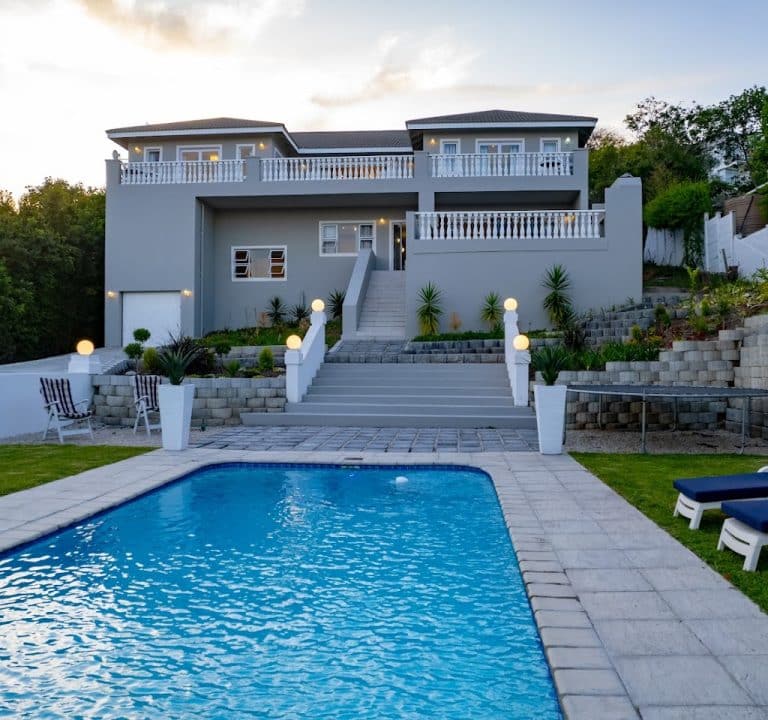
For more information about Plettenberg Bay, you can explore official tourism guides and local tourism websites to plan itineraries, find current restaurant suggestions and gather updates on seasonal highlights. A stay in Plettenberg Bay can blend relaxation with adventure, offering a scenic base from which to discover the pleasures of the Western Cape coast. If you are researching options such as Nicole’s Villa, a managed or boutique property in the area, consider how its location and amenities match your travel style and the needs of your travel companions.