Staying in Cape Town: where to base yourself and what to do
Cape Town offers a diverse mix of stays, from stylish city apartments and family-friendly guesthouses to contemporary hotels perched on the Atlantic coast. When planning a visit, consider the area that best suits your interests and how you plan to explore the region. Whether you want easy access to foodie spots and museums, or dramatic coastal scenery and vineyards within reach, there are options to fit most itineraries and budgets.
City Centre and the V&A Waterfront provide convenient access to museums, galleries, and a wealth of dining options. For those seeking a more relaxed coastal vibe, the Atlantic Seaboard areas of Sea Point, Bantry Bay, and Camps Bay offer stunning sea views, promenade walks, and a vibrant dining scene. For wine enthusiasts and outdoor lovers, Constantia and the Southern Suburbs reveal leafy neighbourhoods, historic estates, mountain trails, and easy access to Constantia Valley’s renowned wine hops. For a local, residential feel, areas like Newlands and Rondebosch are convenient for university-adjacent culture, leafy streets, and easy access to the southern suburbs and wine routes.
When choosing accommodation, look for properties that match your priorities. Some travellers value spacious self-catering amenities and quiet neighbourhoods, while others prioritise concierge services, on-site dining, or panoramic views. If you are travelling with family or a group, consider apartment-style stays or aparthotels that offer kitchens and separate living areas. If you crave sea breezes and easy beach access, sea-facing rooms or hillside hotels with outdoor terraces are appealing. For longer stays, a central base with good transport links can save time on daily excursions.
Typical amenities you might encounter include reliable Wi-Fi, air conditioning or underfloor cooling, in-room safes, laundry facilities, and on-site parking. Many properties in Cape Town offer self-catering options, kitchenettes, or communal kitchens, which can be handy for flexible meal planning. Public spaces frequently include outdoor patios or rooftop decks, ideal for watching the sunset over the ocean or Table Mountain on clear days. For business travellers, some hotels provide meeting rooms and workspaces, while leisure visitors may enjoy spa services, pools, or fitness facilities.
Transport is a practical consideration. The MyCiTi bus network offers affordable city-wide routes, while Uber and other ride-hailing services provide door-to-door transport. If you plan to visit the Cape Peninsula, car hire can be convenient, though many day trips can be accomplished with guided tours or organised transfers. The V&A Waterfront is a well-connected hub with easy access to ferries servicing Robben Island, and the Cableway to Table Mountain offers dramatic views of the city (weather permitting). If you prefer rail connections, some properties are near major bus routes or train stations, making city explorations straightforward without relying solely on taxis.
The best time to visit Cape Town depends on your priorities. The climate features warm, dry summers from November to March, with peak tourism in the December–January peak. Spring (September to November) and autumn (March to May) offer milder crowds and pleasant conditions for outdoor activities, such as hiking in Table Mountain National Park, Kirstenbosch Gardens, or coastal walks. Winter (June to August) can be cooler and wetter, but it can also be quiet and budget-friendly, with fewer crowds at popular attractions and more affordable accommodation options. Regardless of season, plan for varying weather and always have a light layer handy for coastal winds and higher elevation viewpoints.
When planning a stay, practical tips can make a big difference. Check the distance between your chosen base and the attractions you want to visit, and consider proximity to hills or trails if you intend to hike. In busy districts, book key activities and restaurant reservations in advance, especially during peak season. For self-catering stays, visit local markets to experience Cape Town’s fresh produce, seafood, and artisanal goods, and allow time to explore nearby cafés and eateries for a balanced mix of experiences.
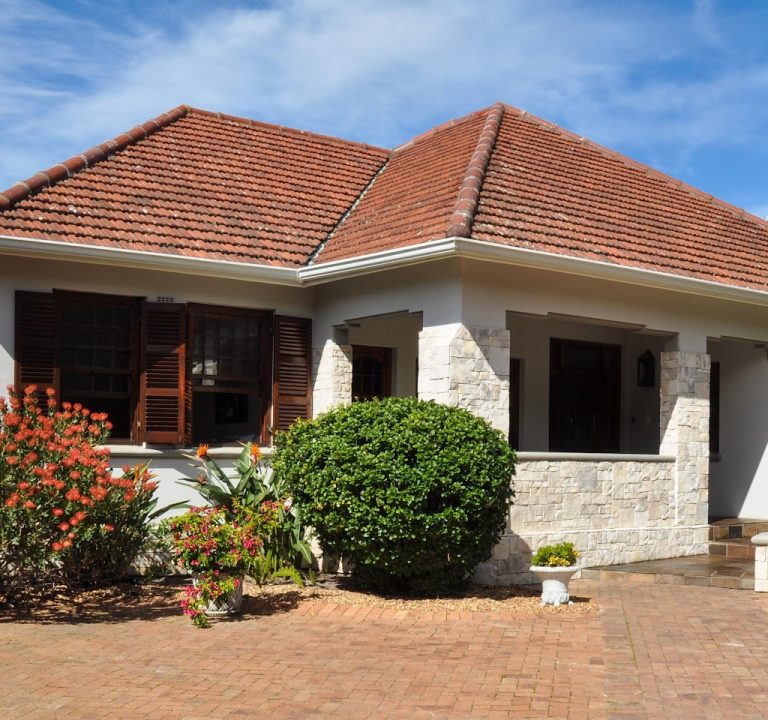
Newlands Peak Aparthotel by Totalstay offers a modern example of accommodation that combines apartment-style comfort with hotel-style services. Positioned near leafy residential streets, it can serve as a quiet escape while still providing convenient access to the city’s southern suburbs and visitor sights. Learn more about this option at its official website: https://www.newlandspeakaparthotel.co.za/
In addition to staying arrangements, consider a few signature experiences to complement your visit. The city is renowned for its coastal scenery, with opportunities for scenic drives along coastal routes, walks on the Atlantic coastline, and visits to world-class wine estates in nearby valleys. While specific restaurant names and prices are subject to change, Cape Town’s dining scene ranges from casual eateries showcasing local produce to refined, fine-dining establishments with views of the harbour or mountains. For a satisfying start or finish to a day of exploring, many bars and eateries offer vibrant atmospheres and seasonal dishes that reflect the region’s diverse culinary heritage.
Ultimately, a well-planned stay in Cape Town combines a comfortable base with thoughtful travel timing and flexible itineraries. By selecting an area that aligns with your activities, prioritising practical amenities, and keeping transport options in mind, you can maximise your time in this stunning corner of the Western Cape.