Accommodation and Things to Do in Dullstroom, Mpumalanga
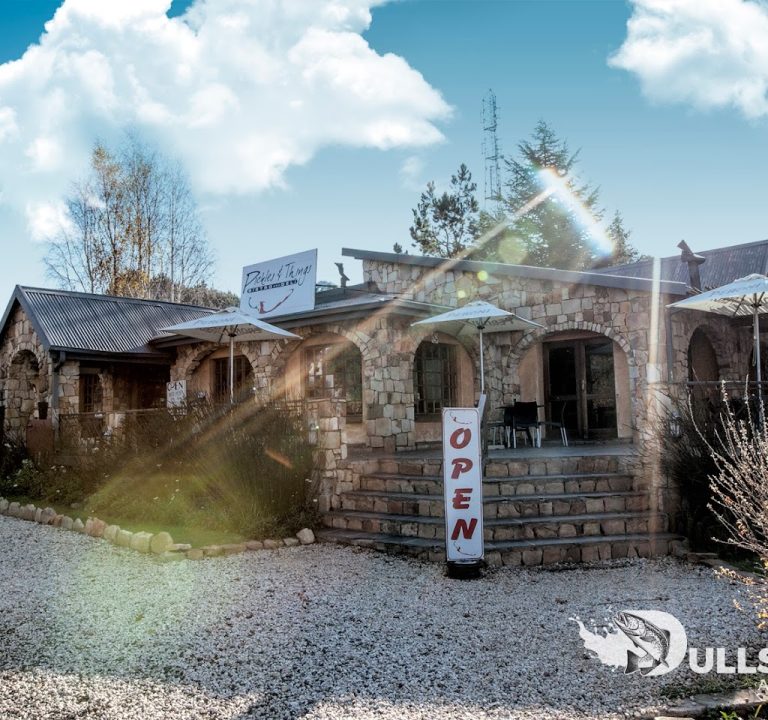
Nestled in the misty highlands of Mpumalanga, Dullstroom is a compact village that feels world away from the city buzz. Its distinctive blend of country charm, pristine rivers, trout-filled streams and green hills makes it a popular base for travellers seeking a relaxed break, outdoor activities and comfortable, hospitality-led stays. Whether you are seeking a guest house, a cosy B&B, a lodge with countryside views or a self‑catering option, the area offers a range of stays that prioritise warmth, thoughtful touches and easy access to surrounding attractions.
When planning a stay, think about the pace you want. Do you prefer a quieter village centre with easy access to eateries and shops, or a more secluded retreat with expansive views and private outdoor spaces? Dullstroom’s accommodation tends to cluster in a few distinct areas: the village itself, where you’ll find compact guest houses and boutique lodges close to cafés and galleries; the edge of town with larger lodges and countryside properties; and nearby farmland routes that lead to tranquil countryside and nature reserves. Each area has its own character and advantages depending on how you like to spend your days.
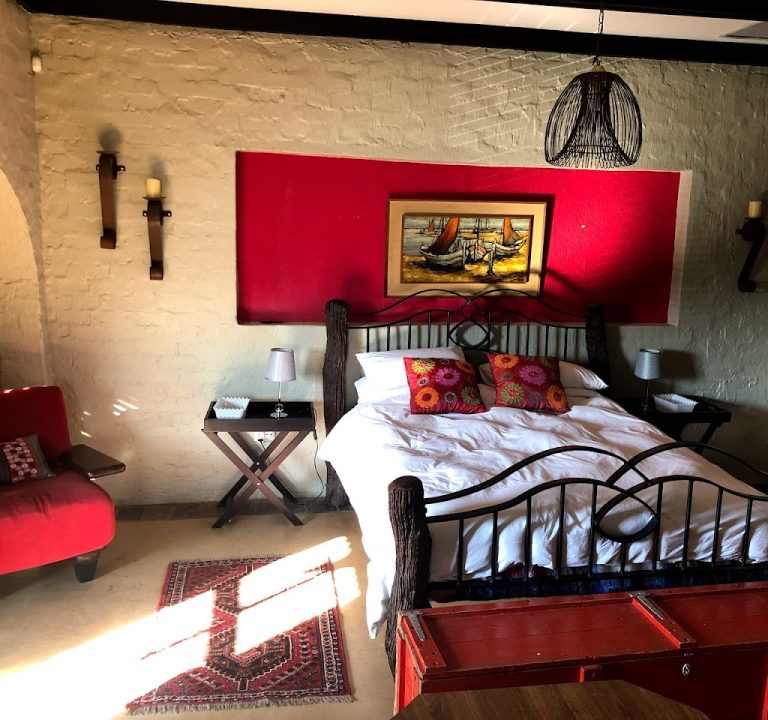
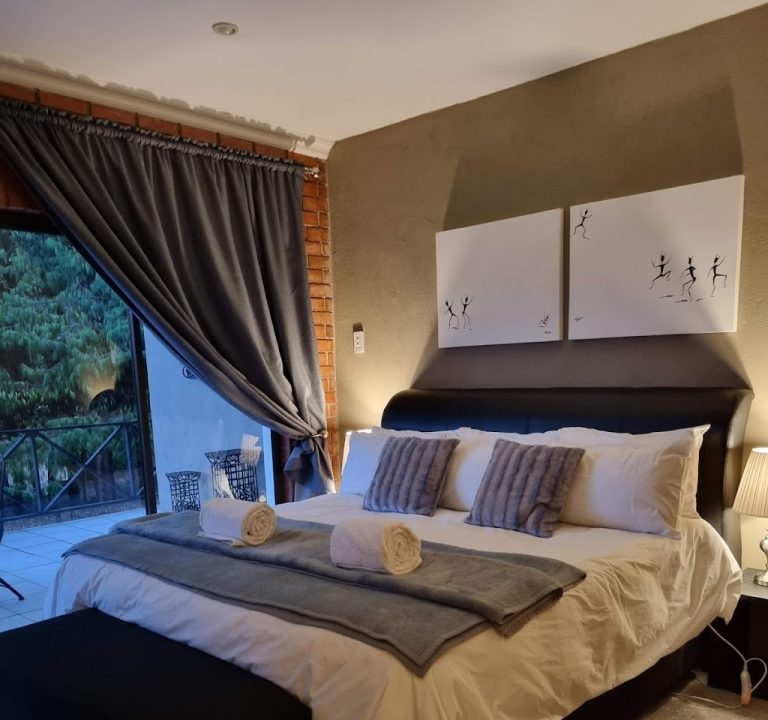
Typical amenities across the main lodging options include en-suite bathrooms, comfortable lounging spaces, heating or log fires (a welcome feature in cooler months), and well-equipped kitchens or kitchenettes for guests who prefer to self-cater. Many places offer breakfast either included or as an optional extra, and some guest houses provide evening meals or paired dinner menus. It’s common to find free Wi‑Fi, secure parking, and generous outdoor spaces—perfect for birdwatching, strolls, or a quick morning coffee on the veranda. If you value a dedicated host or personal recommendations, consider small, family-run guest houses where staff can offer local tips and tailor experience ideas to your interests.
Booking tips to help you secure a comfortable stay:
- Consider the time of year: Dullstroom enjoys mild summers and cool winters. Peak seasons often coincide with school holidays and long weekends, so book well in advance if you’re travelling during school breaks or public holidays.
- Assess access and parking: If you are relying on a rental car, check whether the property has on-site parking and whether it’s suitable for a small or larger vehicle. Some rural properties require cautious manoeuvring on gravel roads.
- Clarify self-catering capacity: If you plan to cook, confirm which appliances and utensils are provided and whether groceries can be sourced locally nearby.
- Ask about activities and inclusions: Some stays partner with local experiences, such as guided walks, fishing, or farm visits. If these are of interest, check what’s offered or arrangeable ahead of time.
- Inspect accessibility: If mobility is a consideration, verify room layouts, shower access, and door widths to ensure comfort during your stay.
Transport in Dullstroom is generally convenient by car, with most attractions and eateries within a short drive or walk from central accommodation. The area’s scenic routes are ideal for a relaxed road trip, but plan for weather conditions in winter, when mornings can be frosty and roads may be misty. If you’re relying on public transport, be prepared for limited services, and consider arranging transfers through your host or a local operator when planning day trips outside the village.
The best time to visit Dullstroom depends on your interests. Summer (roughly November to February) brings longer days and lush, green landscapes, with opportunities for fishing and riverside walks. Autumn (March to May) offers cooler temperatures and striking colours as the foliage changes. Winter (June to August) is crisp and perfectly suited for cosy lodges with fireplaces, brisk walks, and starry skies. Spring (September and October) brings mild weather and the chance to enjoy outdoor activities as nature reawakens. If you are chasing a specific activity—such as trout fishing or birdwatching—check seasonal guidelines and local advisories before you travel.
Beyond the lodging, Dullstroom’s surrounding countryside invites a mix of gentle and engaging activities. The area is known for fishing on nearby streams and rivers, picturesque landscapes ideal for photography, and easy hiking or horse riding routes. Within the village and its outskirts, visitors may find galleries, quaint shops, and casual dining venues that emphasise local produce and relaxed meals. When it comes to dining, plan for a range of options from cosy cafés with light lunches to more substantial country-style meals. It’s sensible to allow time for an easy dinner or a sunset drink at a lodge lounge or garden area, especially during spring and autumn when the light feels particularly atmospheric.
For those seeking a personalised stay, Nettie’s Nook stands as a reference point in the area. Guests often appreciate a welcoming atmosphere and attention to detail that makes a visit feel comfortable and homely. If you would like to explore Nettie’s Nook further, you can visit the property’s page through general accommodation listings or regional tourism guides.
To help you plan your itinerary, consider a simple approach: pick a central base in the village for easy access to eateries and shops, then allocate a couple of days for nature-based activities and longer day trips to nearby reserves or scenic routes. Pack layers for changing temperatures, a good pair of walking shoes, and a light rain jacket—Dullstroom’s climate can be unpredictable, especially on higher ground. With thoughtful booking, a well-chosen stay in Dullstroom can blend comfortable accommodation with a sense of immersion in Mpumalanga’s tranquil highland landscape and local hospitality.