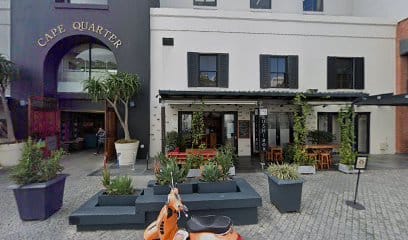
Neighbourgood Old Cape Quarter is a Hotels establishment in Cape Town, Western Cape, South Africa
About Neighbourgood Old Cape Quarter, Cape Town
Neighbourgood Old Cape Quarter stands as a stylish base within Cape Town’s Western Cape, offering a contemporary presence in a well‑known precinct. The property situates travellers within reach of the city’s diverse neighbourhoods, markets, and cultural highlights, making it a practical choice for visitors seeking ease of access to Cape Town’s outdoor activity, dining scenes, and urban exploration.
From a travel perspective, the concept behind Neighbourgood Old Cape Quarter is rooted in delivering comfortable stays that align with a modern, city‑centre lifestyle. While detailed information about room types, on‑site facilities, or specific amenities is not outlined in the current overview, the location itself emphasises convenience and connectivity in a vibrant area renowned for its mix of local eateries, boutique shops, and residential spaces.
For travellers planning a short break or a longer city stay, the property’s positioning within Cape Town’s urban fabric offers a gateway to a range of experiences. The surrounding district is known for its pedestrian-friendly streets, easy access to public transport options, and proximity to notable neighbourhoods that showcase the best of Cape Town’s cosmopolitan energy alongside its natural scenery.
Because precise details such as room configurations, house rules, pricing, and on‑site facilities are not explicitly provided in the readily available content, prospective guests are encouraged to consult the official site for the most current information. The property’s website serves as the primary resource for booking availability, policy updates, and any guest services offered on site.
Neighbourquality and guest experience often hinge on practical considerations such as location desirability, access to local amenities, and the ability to tailor a stay to individual interests. In this context, Neighbourgood Old Cape Quarter is positioned to appeal to travellers who value staying in a central, well‑connected part of Cape Town while exploring the city’s diverse offerings—from historic sites and harbourfront attractions to contemporary dining and cultural experiences.
Nearby highlights, while not itemised in the provided content, typically include easy access to Cape Town’s urban core, with opportunities to explore the surrounding precincts, markets, and viewpoints that are characteristic of the area. Visitors may find it beneficial to plan a mix of indoor and outdoor activities, including mornings exploring local cafés, afternoons strolling along waterfront routes, and evenings enjoying the city’s renowned culinary scene.
Booking and travel tips for potential guests:
- Check the official Neighbourgood site for current rates, stay lengths, and any seasonal offers.
- Review the latest policies, check‑in procedures, and cancellation terms on the website before making a reservation.
- Plan your stay with an eye to convenience—consider how the location facilitates your desired activities, whether they are cultural, culinary, or nature‑driven.
- Explore nearby neighbourhoods and attractions on foot or via local transport to maximise the Cape Town experience.
Overall, Neighbourgood Old Cape Quarter presents a contemporary option within Cape Town that emphasises location and accessibility. While specific accommodation details are not provided in the current overview, the site invites prospective guests to discover what the property offers directly via the official webpage, ensuring the most accurate and up‑to‑date information for planning a stay in one of South Africa’s most dynamic cities.
Cape Town
Western Cape
8001
South Africa


Accommodation and Experiences in Cape Town: Planning a Memorable Stay
Cape Town, perched beneath the iconic Table Mountain and bordered by the Atlantic Ocean, offers a wide range of stay options for all styles and budgets. When planning a visit, consider how you want to balance comfort, location and easy access to major sights. A harbour-side boutique hotel, a trendy urban apartment, or a refined colonial-style guesthouse can all form the base for an enriching stay in the Western Cape’s most visited city.
Areas to consider include the V&A Waterfront and the nearby central city for easy access to dining, nightlife and cultural institutions; the lively neighbourhoods of De Waterkant and Green Point, which combine stylish lodgings with walkable routes to cafés and parks; and the leafy Constantia or the scenic Atlantic Seaboard north of Table Mountain for a more relaxed, scenic retreat with broader views. For a more authentic experience, look for smaller guesthouses in residential suburbs or converted farmhouses in nearby wine country towns—these can offer a slower pace and personalised service while still providing convenient access to central Cape Town.
When booking accommodation, think about what matters most to you. Proximity to the activities you plan is often more valuable than a marginally cheaper rate far from the action. Practical aspects to weigh include:
- Access to reliable transport, whether via rental car, rideshare apps, or proximity to MyCiTi bus stops.
- House rules and level of service, from self-catering apartments to full-service hotels with on-site dining and reception staff.
- Security and guest safety features, such as secure parking, gated access, and well-lit streets in the area.
- Amenities that support your plans, such as kitchen facilities for longer stays, laundry services, or spa and gym access.
Typical amenities in well-regarded Cape Town properties include comfortable beds with quality linens, free Wi-Fi, and thoughtful extras like a continental breakfast, in-room coffee facilities, and climate control. Many hotels and guesthouses offer city or mountain views, balconies or terraces, and concierge services to help reserve restaurant tables, day trips, or harbour cruises. If you are staying longer or travelling with family, seek properties that provide practical features such as self-catering kitchens, laundry facilities, and ample storage.
Transport in Cape Town is straightforward but can be variable depending on the area. The MyCiTi bus network is a popular option for city centre trips and shopping, while Uber and other ride-hailing services are widely available. If you plan to explore beyond the city, a hire car provides flexibility to visit beaches, scenic routes along the Atlantic Seaboard, and the nearby wine lands. When choosing a base, consider whether you’ll rely on public transport for daily outings or prefer easy car access for day trips and scenic drives.
Best time to visit Cape Town depends on your interests. The city enjoys a temperate climate with warm summers and mild winters. Peak season falls in the Southern Hemisphere's summer months, when sea temperatures rise and outdoor activities are in full swing. Spring and autumn bring pleasant weather for hiking and sightseeing, with fewer crowds in some areas. If you’re planning a wine tour or a coastal drive, spring and autumn can offer clear skies and comfortable temperatures for outdoor activities.
In terms of experiences, Cape Town delivers a balanced mix of natural beauty, culture and dining. Landmarks such as the foothills of Table Mountain, sweeping beaches, and vibrant markets are complemented by museums, galleries and theatre venues. Dining ranges from modern South African eateries to beachfront cafés and cosmopolitan bistros. When booking itineraries, it’s useful to leave room for spontaneous discoveries—popping into a local market, sampling small plates at a neighbourhood bistro, or taking a sunset cruise along the harbour can be highlights of any stay.
One notable example of accommodation in the city is a hotel with a central, design-forward approach near the historic Cape Quarter precinct. Such options typically offer stylish rooms, easy access to shops and eateries, and convenient transport links to both the city centre and the peninsula. If you are researching specialised properties, you may wish to explore the website of a venue like Neighbourhood-style boutique hotels that emphasise contemporary comfort and a sense of place. Their online presence can provide inspiration for room configurations, typical rates, and the kinds of in-house services offered.
Practical planning tips for a smooth stay:
- Book accommodation with flexible cancellation terms when possible, particularly if your plans may shift with weather or activities.
- Check reviews for notes on accessibility, transport convenience, and staff responsiveness.
- Plan a balanced itinerary: allocate full days for a few major sights and lighter days for wandering through markets, cafés and galleries.
- Pack layers for changing conditions. Even in warm seasons, coastal winds can be brisk, and higher elevations can feel cooler in the early morning or evening.
- Safeguard your valuables and be mindful of personal safety in busy areas, especially after dark.
For those seeking further information or bookings, many accommodation providers maintain updated details on their official websites, including information about the locality, room types and dining options. A visit to the property’s site can offer practical guidance on what to expect during your stay and how best to plan day trips, organising experiences, and enjoying Cape Town’s rich mix of natural beauty, culture and gastronomy.
Sorry, no records were found. Please adjust your search criteria and try again.
Sorry, unable to load the Maps API.
Why Claim Your Listing?
Claiming your listing on the B&B Finder directory website is a valuable opportunity for business owners. Here are five reasons why you should consider claiming your listings:
Control Over Business Information: By claiming their listing, business owners can ensure that all the information presented is accurate and up-to-date. This includes details such as contact information, address, pricing, and available services or amenities. Accurate information helps prevent customer confusion and improves overall satisfaction.
Enhance the Listing: Once a listing is claimed, owners can enhance it by adding more comprehensive information and rich media, like high-quality photos and videos. These additions can make the listing more attractive and engaging to potential customers, thereby increasing the likelihood of bookings.
Marketing Opportunities: Claiming a listing can also open up additional marketing opportunities. Owners may be able to participate in promotional campaigns, special offers, and other marketing activities organized by the directory. This can increase visibility and attract more customers to the business.