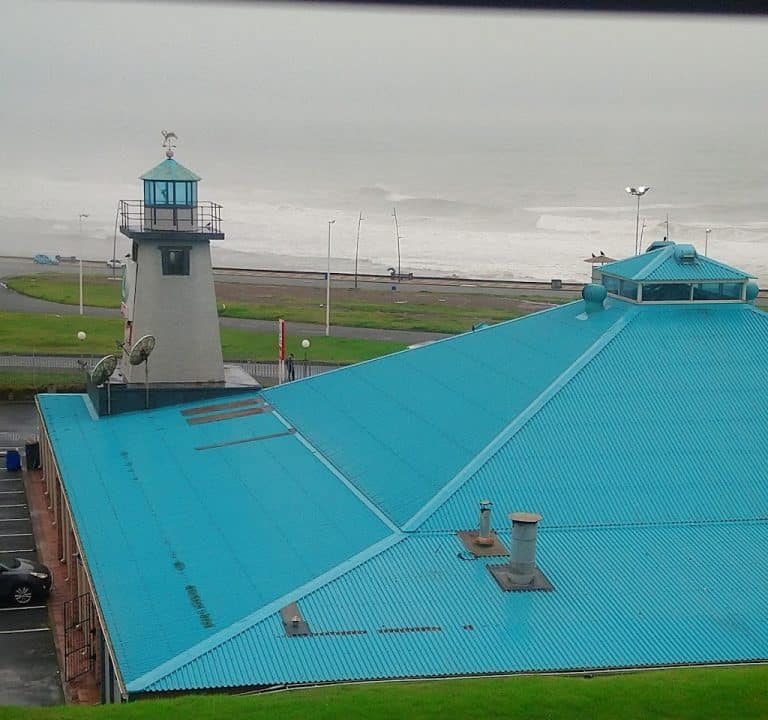
East London, Eastern Cape: Accommodation, Attractions and Practical Planning for Visitors
East London in the Eastern Cape offers a compelling mix of coastal scenery, laid‑back neighbourhoods and convenient access to a variety of visitor experiences. When planning a stay, it helps to think about the areas that suit your style—whether you prefer a breezy beachfront setting, a lively city centre with easy access to amenities, or a quieter suburb with family‑friendly options. The city’s accommodation spectrum ranges from boutique B&Bs and guesthouses to larger coastal hotels and self‑catering apartments, many with easy access to beaches, parks and river estuaries. Choosing a base with parking, reliable Wi‑Fi and flexible check‑in arrangements can make a big difference to your trip.
One of the first decisions is choosing a neighbourhood. The beachfront districts are ideal for early morning walks, sunrises over the Indian Ocean and quick access to the sand. The city centre and nearby suburbs are practical for guests who want to be close to shops, cafes and transport links. If you’re visiting with family or seeking a slower pace, consider quieter residential areas within easy reach of beaches and the Gonubie or Nahoon estuaries. Many properties in these areas offer self‑catering facilities, family rooms or suites with separate living space—helpful for longer stays or groups.
Typical amenities to look for when booking include secure parking, 24‑hour reception or flexible check‑in, complimentary breakfast or tea and coffee facilities, and reliable housekeeping routines. If you rely on internet access, check the property’s Wi‑Fi policy and speed, especially if you plan to work remotely or stream during your stay. For travellers exploring on a budget, contact the host or front desk about off‑season rates, early‑bird deals, or discounted bed‑and‑breakfast packages. For more independent travellers, many properties offer apartment or suite layouts with kitchen facilities, which can help you manage meals and budgets more easily.
Transport and getting around are practical considerations. East London is served by a regional airport and a network of roads that connect to neighbouring towns and coastal routes. Renting a car is common and often convenient for exploring beaches, nature reserves and inland attractions. If you prefer not to drive, check whether your accommodation offers airport transfers or can arrange reliable local transfers. Within the city, you’ll find taxi services and rideshare options, but some beachside neighbourhoods can be more car‑dependent, so plan your movements accordingly. Walking and cycling are enjoyable for short hops, especially in seaside paths and riverfront areas, where dedicated paths and scenic viewpoints invite casual exploration.
Best time to visit East London generally aligns with the Southern Hemisphere summer and shoulder seasons. Spring (September to November) and autumn (March to May) bring milder temperatures and quieter streets, while the peak tourist period tends to be in the warmer months. A coastal climate means occasional summer showers; packing a lightweight raincoat and sun protection is sensible year‑round. If you’re seeking sea swims or surfing, the warmer mid‑year months can be appealing when the wind and currents are more forgiving, but always follow local advisories and beach flags for safety.
Planning a balanced itinerary helps maximise your stay. In addition to relaxing by long sandy stretches, consider a mix of cultural and natural experiences. The coastline offers opportunities for strolls along promenades, wildlife viewing along river estuaries and easy walks to vantage points with panoramic sea views. For a relaxed day, choose a scenic coastal walk and a casual meal at a restaurant that emphasises fresh, local ingredients—seafood dishes, regional produce and bistro‑style menus are common and well regarded. If you’re interested in museums, galleries or interpretive centres, allocate time to explore at least one cultural or educational stop, which can provide insight into the region’s history, marine life and community heritage. Evening dining often features a blend of seafood, grill dishes and contemporary South African cuisine in a range of settings, from simple, family‑friendly eateries to more refined venues with coastal ambience.
Practical tips to help you plan smoothly:
- Book early for peak seasonal periods, especially beachfront stays, to secure preferred rooms and parking options.
- Read guest reviews for transparency on cleanliness, noise levels, and management responsiveness.
- Check access to balconies or outdoor spaces if you value fresh air and views.
- Ask about breakfast formats, as some properties offer continental options while others provide full cooked breakfasts or self‑cervice choices.
- Confirm a property’s parking arrangements, particularly if you’ll be driving or collecting supplies from markets or shopping precincts.
For a smoother trip, consider building in buffers between travel days and major activities. A two‑ or three‑night stay in East London can be enough to explore the highlights without feeling rushed, while a longer stay lets you sample different neighbourhoods, beaches and dining spots at a relaxed pace. If you’re planning a coastal escape that also invites day trips inland or to nearby towns, choose a central location with easy road links and flexibility in your arrival and departure times. For inspiration and practical planning, you can visit regional tourism pages or local government visitor guides, which provide up‑to‑date information on accommodation options, attractions and seasonal events. Above all, a well‑chosen base in East London should feel like a comfortable home from home, enabling you to enjoy the city’s character, coastline and hospitality at your own pace.