Cape Town: Where to stay, what to do, and how to plan a memorable visit
Cape Town is a city of contrasts, from dramatic coastlines and iconic mountains to vibrant neighbourhoods and a wealth of dining experiences. When planning a stay, it helps to think about what you want most from your trip—scenic views, easy access to beaches, or proximity to buzzing urban centres. A well-chosen base can make all the difference, enabling you to explore comfortably and return to a welcoming space after days of sightseeing.
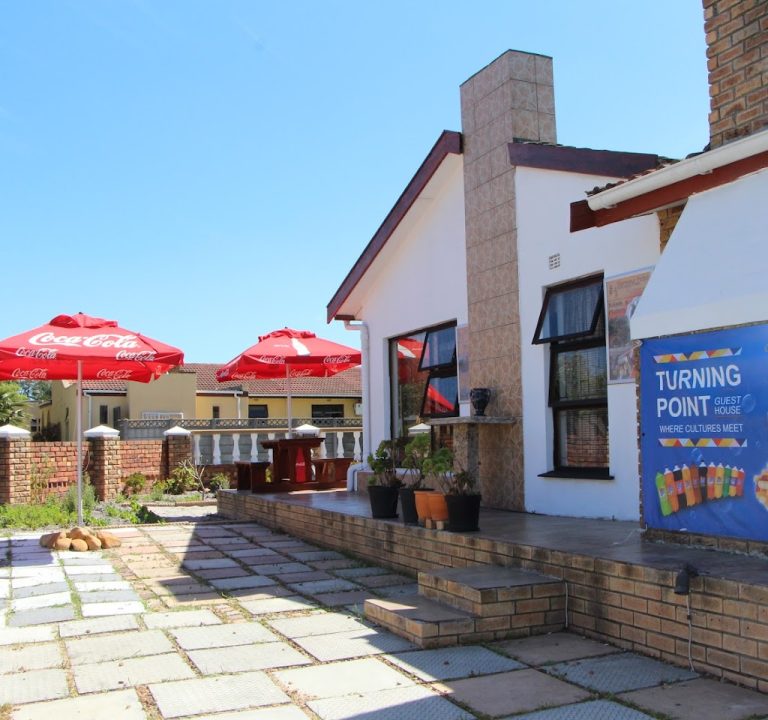
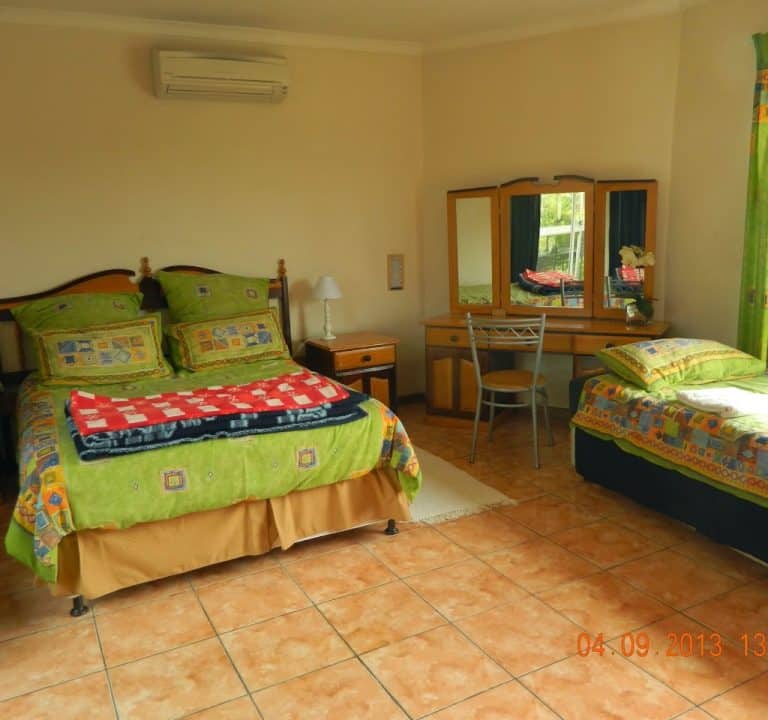
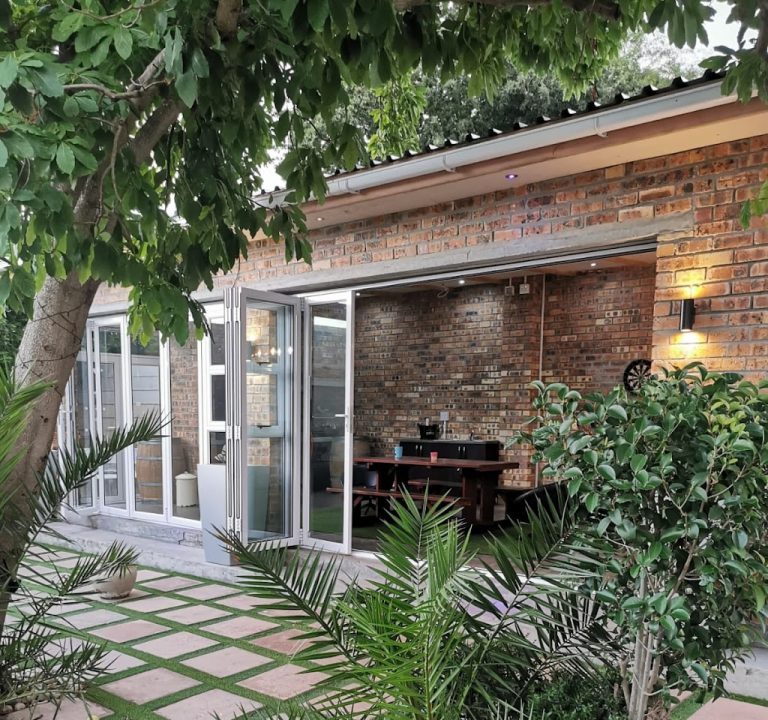
Accommodation in Cape Town ranges from intimate guest houses and boutique hotels to self‑catering apartments and family-friendly lodges. Many options prioritise a warm, personalised touch, with hosts who can share local tips and tailor recommendations to your interests. If you’re considering a guest house, be sure to check for features such as en-suite bathrooms, reliable Wi‑Fi, secure parking, and on-site or nearby breakfast service. NALIYA GUEST HOUSE offers a useful example of the thoughtful simplicity guests often look for: a comfortable room, friendly hospitality, and a convenient location that makes day trips straightforward. For a flavour of local hospitality, you can find more details on their website at the official page.
Areas to consider when choosing a base include:
- The City Centre and the Historic Bo-Kaap, for easy access to museums, cultural sites, and a lively dining scene.
- Green Point and the V&A Waterfront, ideal for waterfront strolls, easy access to hop‑on hop‑off tours, and proximity to beaches.
- Sea Point and Camps Bay, offering scenic sea views, promenade walks, and a choice of restaurants within a short stroll.
- Bishopscourt and Constantia, perfect for quieter mornings, wine estates, and leafy residential streets with easy routes to Constantia Valley.
- Gardens and Oranjezicht, close to botanical attractions and markets, with a relaxed atmosphere and good access to central sights.
Typical amenities to look for include a comfortable bed, a private or en‑suite bathroom, hot water reliability, and a generous breakfast offering or easy access to nearby cafés. Check for air conditioning or good heating, especially if you’re visiting in shoulder seasons, as Cape Town’s nights can be cool outside of summer. Practical conveniences such as secure parking, a well-equipped kitchenette or tea and coffee facilities, and clear information about local transport can save time and hassle during your stay.
Transport in and around Cape Town is straightforward but varies by area. The MyCiTi bus network covers many popular routes between the City Centre, Sea Point, Green Point, and further afield. In terms of scenery, some routes offer fantastic views if you’re travelling between compacted districts. Uber and other ride‑hailing apps are widely used and provide a convenient option for evenings out or trips to the wine farms of the Constantia Valley. If you’re planning day trips to Cape Point, the Cape Winelands, or Robben Island, consider booking guided tours or private transfers in advance to maximise your time and reduce the risk of seasonal crowds.
The best time to visit Cape Town is during the southern hemisphere spring (September to November) and autumn (March to May), when the weather is mild and the city feels less crowded. December to February brings long, sunny days ideal for beach time, but it’s also peak tourist season, so plan and book early if you want prime accommodation. Winter (June to August) remains mild by many standards, though it can be rainy in some years, especially on the Atlantic coast. Outdoor attractions such as Table Mountain can be enjoyed year‑round, but always check weather conditions and seasonal accessibility before plans that depend on clear skies or cable car operations.
When planning activities, mix nature, culture, and cuisine to get a well‑rounded experience. Iconic natural settings on offer include Table Mountain and the coastal reserves that surround the city, while cultural experiences may cover museums, historic sites, and markets where you can sample local foods. For dining, Cape Town’s restaurant scene ranges from casual eateries to refined venues, with a strong emphasis on seafood, fresh produce, and global flavours. Rather than chasing specific names, look for places that align with your vibe—sunset with a view, a family‑friendly setting, or a chic, quiet corner for an evening meal. Always check recent reviews and current opening hours when planning dinner or brunch spots, as availability and menus can change seasonally.
Practical tips for a smooth stay:
- Book accommodation with clear cancellation policies and defined check‑in times to avoid last‑minute stress.
- Consider purchasing a local transport card or planning routes in advance to maximise time, especially if you’re staying outside the central districts.
- Pack layered clothing for Cape Town’s variable weather and don’t overlook sun protection, even on cooler days.
- Allocate time for a few day trips to wine estates or nature reserves to experience the region beyond the city core.
- Respect local customs and safety guidelines, particularly when exploring markets or popular tourist hotspots.
In summary, Cape Town offers a wide spectrum of accommodation that suits different budgets and preferences, paired with an abundance of activities and culinary experiences. By selecting a convenient base in a preferred neighbourhood, planning transport in advance, and balancing scenic adventures with leisurely meals, you can craft a well‑rounded and enjoyable stay. For tailored options and up‑to‑date details, exploring individual properties’ websites and guest reviews will help you choose the right match for your visit to the Western Cape.