Discover East London: accommodation and experiences in the Eastern Cape
East London in the Eastern Cape is a coastal gateway with a laid‑back vibe, surrounded by sweeping beaches, river estuaries and the allure of the Indian Ocean. When planning a stay, consider areas that suit your pace and interests. The coastal strip offers simple guesthouses and boutique stays close to the sea, while inland pockets provide a quieter ambience and convenient access to parks, wetlands and the city’s evolving dining scene. A well‑planned itinerary can combine beach time with family activities, scenic drives and easy access to the region’s cultural and natural highlights.
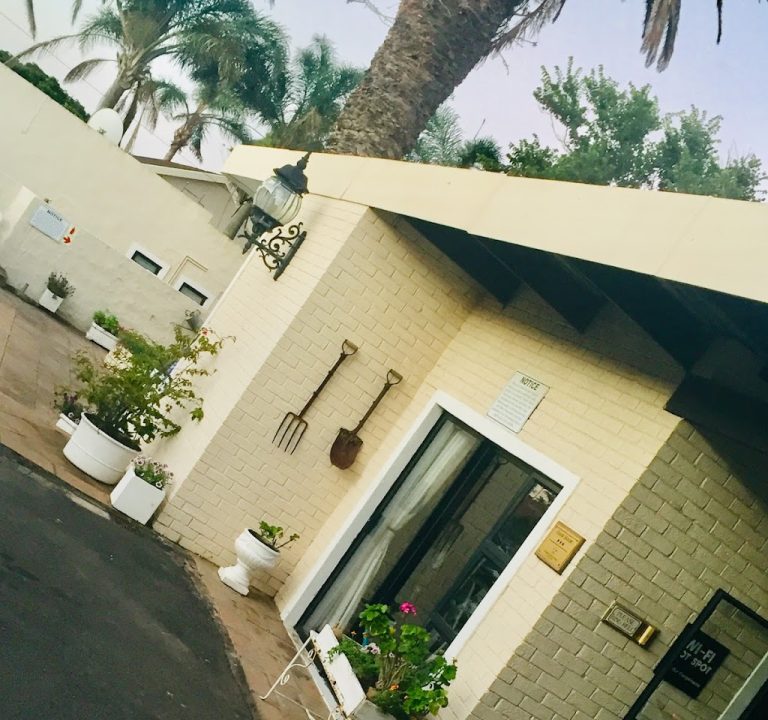
Accommodation options range from intimate guest houses to small hotels and self‑catering cottages. A guest house such as Nahoon Mouth Guest House embodies a community‑minded approach, often emphasising friendly service, locally sourced breakfasts and a cosy, home‑from‑home atmosphere. When choosing where to stay, look for properties that clearly signal the area’s character—whether it is easy access to the golden sands of the Nahoon Mouth or a short hop to the city’s central attractions. A reliable stay often hinges on warm hosts, clean rooms, secure parking and dependable Wi‑Fi, plus thoughtful touches such as a late‑check‑in option or guidance on local tips.
Areas to consider include:
- Beachside neighbourhoods for easy morning strolls along the shoreline and quick access to swimming and surfing waves.
- Suburban districts with leafy streets, family‑friendly amenities and proximity to shopping centres and parks.
- Market towns or harbour districts offering a mix of eateries, local crafts and relaxed nightlife.
When planning your booking, ask about practical details that affect your daily routine. Is there secure parking? Are there self‑c catering facilities or a continental breakfast included? What are the check‑in and check‑out times, and is there staff support after hours for emergencies? If you rely on public transport, confirm the nearest bus stops or taxi services and whether the property can arrange transfers or provide reliable local guidance. For those travelling with children or mobility needs, check room configurations, en‑suite facilities and lift access where applicable.
Typical amenities to look for include en‑suite bathrooms, air‑conditioning or fans for the coastal climate, a comfortable work area if needed, and outdoor spaces such as verandas or patios where you can unwind after a day exploring. Many guest houses in East London offer a generous breakfast, and some feature community lounges or small kitchens for shared use. Pets may be welcome at certain properties; if this matters to you, verify access to pet‑friendly rooms before booking.
Getting around East London is straightforward with a mix of private transport and limited public options. A car is the most convenient way to explore the coastline, the adjacent nature reserves and inland attractions at your own pace. If you’re not driving, check with your accommodation about connecting with local tour operators or shuttle services. Distances between beaches, cafés and attractions are modest, but planning a loose schedule helps you maximise time, particularly in peak seasons when traffic and parking can become busier.
The best time to visit East London tends to hinge on your preferred climate and activities. Summers (December to February) bring beach days and lively outdoor events, while autumn (March to May) offers milder temperatures and quieter streets. Winter (June to August) brings cooler nights and the possibility of Atlantic breezes, but it can be a good time for wildlife viewing on nearby reserves and more affordable rates. Spring (September and October) signals fresh skies and improving sea conditions for coastal walks. Consider shoulder seasons to balance pleasant weather with lower crowds and better value on accommodation.
Practical tips to enhance your stay:
- Check the cancellation policy before booking, especially if your plans may shift with weather or work commitments.
- Pack a light jacket for coastal evenings and sun protection for daytime activities on the beaches and promenades.
- Plan a mix of activities: beach time, a visit to a local market, a nature walk or birdwatching at nearby reserves, and an easy day in town to sample casual dining and coffee culture.
- Bring a reusable water bottle and a small daypack for excursions to the estuary or coastal trails.
- Respect local guidelines for waste and wildlife, particularly around protected areas and beaches during nesting seasons.
When it comes to dining, East London’s culinary scene tends to favour approachable, well‑executed comfort dishes, fresh seafood and modern takes on traditional favourites. You’ll likely find cafes and eateries that prioritise seasonal produce, supporting local suppliers and artisans. Rather than focusing on exact prices or awards, look for venues with consistent online reviews, clear menus, and a welcoming atmosphere—places where your meal becomes part of the overall experience of a calm, coastal stay.
In sum, East London offers a warm hospitality framework that makes a short break feel refreshing and a longer visit feel well‑paced. By selecting a thoughtfully located base, confirming practicalities in advance and balancing days on the sand with time to explore the hinterland, you can craft a memorable stay in the Eastern Cape that aligns with your interests and budget. If you choose to stay at a guest house like Nahoon Mouth Guest House, you’ll typically benefit from a home‑style welcome and a convenient starting point for coastal adventures, with the option to tailor activities and dining to your preferences.