Mokopane, Limpopo: Where to stay and what to do
Mokopane, a gateway to the Waterberg region of Limpopo, combines rural charm with convenient access to South Africa’s northern attractions. When planning a stay, visitors typically weigh location, transport options, and the level of hospitality they prefer, from boutique guesthouses to comfortable hotels. The town serves as a practical base for exploring surrounding nature reserves, cultural experiences, and day trips to nearby game and nature trails, while still offering essential services, markets and dining options within easy reach.
Areas to consider when booking accommodation include the town centre for convenience and self-catering possibilities, or quieter neighbourhoods closer to the surrounding countryside if you seek a more relaxed, leafy setting. If you plan to hire a car (the most common way to explore the region), staying on well-connected roads near Mokopane’s main routes can make day trips smoother. For travellers relying on transfers, check proximity to major transport hubs and the expected travel times to key sites. In peak periods, early planning helps secure rooms with the best value and location, particularly for stays that combine business with leisure or family-friendly itineraries.
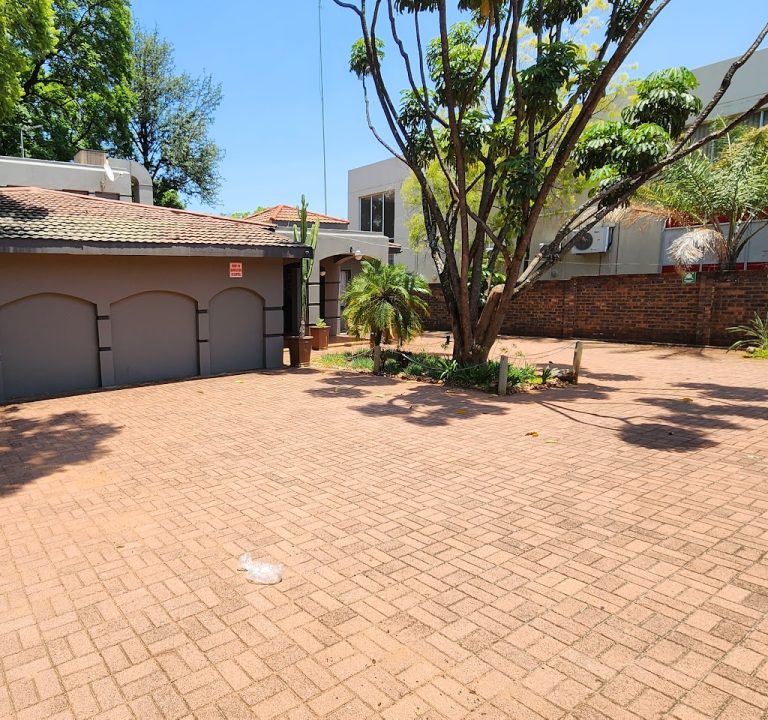
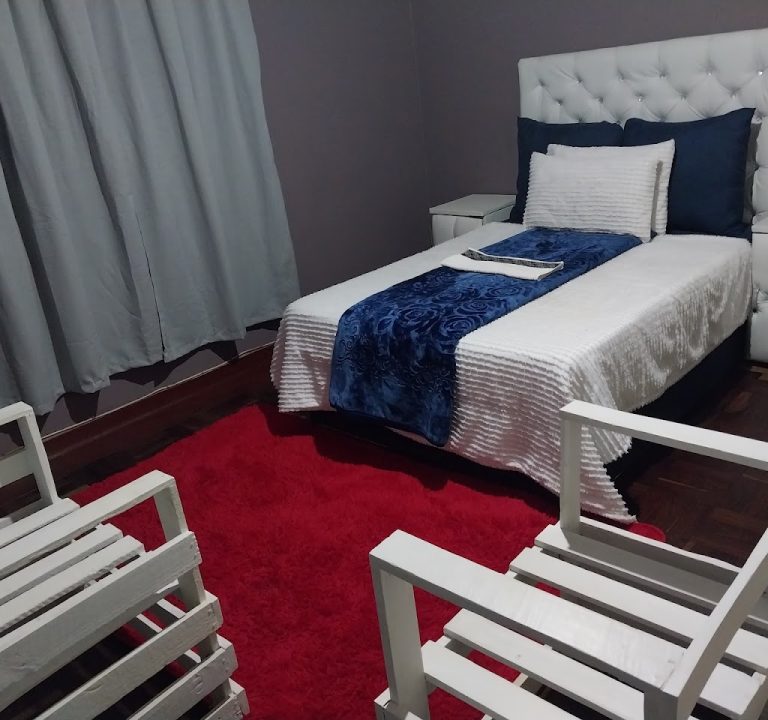
Typical amenities to look for include reliable air conditioning or good ventilation, as Limpopo can be hot, especially in the warm season. Free Wi‑Fi, secure parking, and inclusive breakfast are common, with some properties offering kitchen facilities or on-site restaurants. If you value outdoor experiences, inquire about shaded outdoor spaces, garden views, or safe access to patios for al fresco dining. For business travellers or longer stays, check for workspaces, laundry services, and flexible check-in/check-out options. Cleanliness, responsive front‑desk service, and guest reviews are reliable indicators of a property’s standard and hospitality ethos.
Transport in Mokopane is typically car-centric. Many guests find it convenient to hire a vehicle to navigate the surrounding nature reserves, markets, and dining spots at their own pace. Local taxis and rideshare-style services may be available, but schedules can vary. If you plan a midweek exploration of nearby reserves or towns, a reliable car can give you the freedom to arrange early-morning game drives or sunset safaris with minimal fuss. When budgeting, consider fuel, tolls, and potential park entrance fees for day trips, as these can influence the overall cost of a stay.
The best time to visit Mokopane depends on your plan. The dry winter months (roughly May to September) offer pleasant daytime temperatures and easier wildlife viewing in surrounding reserves, with cooler evenings. The rainy summer period (roughly October to March) brings lush scenery and dramatic skies, but higher humidity and the possibility of short, intense showers. Shoulder seasons often offer a balance of comfortable weather, quieter attractions, and more competitive accommodation rates. If you’re aiming to combine nature with agricultural experiences or local markets, visiting during fruiting or harvest periods can add seasonal flavour to your stay.
Planning practical tips can make a Mokopane stay smoother. Pack light, breathable clothing for day expeditions, plus a light jacket for cooler evenings. Bring sunscreen, sunglasses, and a hat for sun protection, and keep a fasting-friendly snack in case you have long drives between sights. For dining, many guests enjoy trying local flavours at casual eateries and markets, where fresh produce and traditional dishes reflect regional influences. If you’re staying in a self-contained unit, a small kitchen can be handy for breakfast or late-night snacks after day trips. Always confirm check-in procedures, as some properties operate with flexible or self-check-in arrangements.
Nearby attractions and experiences can enrich your itinerary without requiring long journeys. Visitors commonly plan to explore natural landscapes and wildlife encounters in the surrounding region, enjoy tranquil parkland settings, and soak up the rural ambience that characterises Limpopo. While specific names and prices may vary, you can expect a mix of nature walks, guided drives, and cultural insights that showcase the area’s heritage and biodiversity. For meals, look to local restaurants and eateries offering hearty South African staples, complemented by lighter options and regional specialties. Many properties in Mokopane provide visitor information or can arrange curated recommendations, helping you balance nature, culture, and downtime.
When booking, consider flexibility in cancellation policies and whether the rate includes breakfast or access to on-site dining. Reviewing guest feedback about staff friendliness, room comfort, and reliability of amenities can help you manage expectations. If you’re planning a longer stay or multiple stops in Limpopo, ask about multi-venue arrangements or partnerships that might streamline transfers between Mokopane and other nearby destinations. Finally, keep a note of practicalities such as local emergency numbers, pharmacy locations, and the closest supermarket, which can be especially useful for families or longer visits.
- Choose accommodation based on distance to your planned activities and your preferred pace of travel
- Check for essential amenities (air conditioning, parking, Wi‑Fi) and whether breakfast or kitchen facilities are included
- Account for transport: organise a car hire if you plan many day trips around the Waterberg and surrounding towns
- Factor climate and season into packing and activities (dry winter vs. rainy summer)
- Utilise guest reviews and property-provided local guides for up-to-date dining and excursion ideas
Whether you seek a convenient base for wildlife, nature walks, cultural insights, or simply a restful retreat in a friendly town, Mokopane offers a practical gateway to Limpopo’s attractions. For more ideas or to plan a personalised itinerary, you can explore official tourism sites or the pages of individual guesthouses and hotels in the area.