Staying in Thohoyandou, Limpopo: accommodation, attractions and practical planning
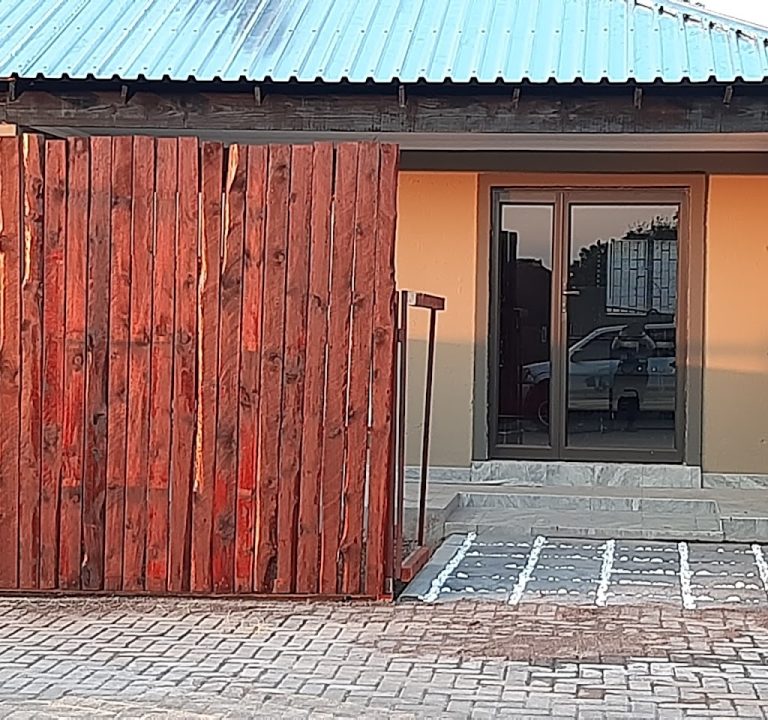
Thohoyandou in Limpopo offers a taste of northern South Africa’s warmth, culture and natural scenery. When planning a stay, think about cadence and convenience: the town centre for easy access to shops and eateries, and quieter suburbs or lodges closer to nature for relaxation. A well-chosen base can cut transit time, maximise sightseeing and leave space for restful evenings after day trips to nearby landscapes and cultural experiences. Murendeni Villa, among other locally minded options, can provide a comfortable starting point for exploring the area, with a focus on guest comfort and straightforward access to transportation routes.
Accommodation options in Thohoyandou range from modest guesthouses and guest rooms to mid‑market hotels and lodge-style properties. When you book, consider the following features and amenities to match your plans and budget:
- Location and access: Proximity to the centre matters if you want walkable dining and markets, while a lodge on the edge of town may offer more privacy and greener surroundings. If you plan day trips to natural areas, check how far the property is from main roads and regional routes.
- Room configuration and privacy: En-suite bathrooms, quiet rooms, and options for families or groups can influence cost and comfort. Look for dedicated parking if you’re traveling by car.
- Facilities: A reliable air conditioning or adequate ventilation is important in hot seasons. A guest lounge, communal kitchen, or outdoor seating can enhance your stay, while a pool or garden can be a welcome retreat after sightseeing.
- Meals and dining: Some properties offer on-site dining or breakfast options; otherwise, check walking distance to eateries and markets. Local SA cuisine and soup/porridge options can be part of the experience.
- Transport and accessibility: In Thohoyandou, access to taxis, car hire or guided tours is helpful. If you don’t plan to drive, choose a place that can arrange transfers or provide information on public transport routes.
Typical amenities you may encounter include clean, well‑presented rooms, secure parking, daily housekeeping, hot water, and reliable Wi‑Fi. If you value a shared kitchen, barbecue facilities, or outdoor spaces for socialising, these are worth checking in advance. For business or longer stays, a desk, adequate lighting and charging points become practical considerations. If you’re travelling with children or elderly family members, confirm accessibility features and the availability of nearby snack options or grocery stores.
Planning your itinerary also means thinking about transport. Thohoyandou is a hub from which casual day trips to nearby reserves, viewpoints and villages are feasible, with car hire offering flexibility. If you prefer not to drive, look for accommodations that can arrange transfers or suggest reliable local operators for guided tours. When budgeting, factor in fuel costs, tolls (where relevant) and occasional toll-free detours that may add to scenic value but extend travel times.
The best times to visit Thohoyandou depend on your preferences for weather and activities. The hot, rainy season typically runs from roughly November to March, bringing lush landscapes and the chance of afternoon thunderstorms. The cooler, dry season from May to August makes for comfortable days, clearer skies and easier outdoor exploration. If your plans include outdoor activities, plan for early starts to beat the heat and to catch wildlife or birds when they are most active.
Practical planning tips for a smooth stay:
- Do a quick check of the local market days and nearby cultural centres to enrich your visit with authentic experiences beyond the hotel footprint.
- Pack a light jacket for evenings and a hat or sunscreen for daytime exploration, particularly if you will be outdoors for long periods.
- Confirm essential services in advance, such as reliable water supply and a backup plan for power during outages, common in some regions.
- Bring cash in small denominations for markets and informal vendors, alongside cards where accepted, and ensure you have a shade area for midday heat if you plan longer outdoor outings.
- Check the opening times of attractions, as some sites may close on certain days or have seasonal hours.
Attractions and experiences in the area are often described in general terms, with opportunities to learn about Venda culture, enjoy nature and observe wildlife in nearby reserves or natural landscapes. Dining in Thohoyandou tends to feature a mix of local flavours and contemporary hospitality, with a range of casual eateries, cafés and traditional-style restaurants where you can sample regional staples. While detailed names and current menus can vary, most visitors find it straightforward to discover a place to eat that suits their mood and budget, whether they prefer a quick bite or a more measured, sit-down meal.
For planning resources, consider consulting official tourism pages and regional guides for up-to-date information on things to see, opening hours and transport options. A well-chosen stay in Thohoyandou can serve as a comfortable base from which to explore the Limpopo province’s landscapes, communities and welcoming hospitality. Visit the property’s own website for availability, and don’t hesitate to explore nearby towns and nature reserves to tailor your itinerary to your interests. More information and ideas can be found at general South Africa travel resources, which can help you map a route that balances culture, nature and leisure during your visit.