Experiencing Gqeberha: where to stay, what to do, and how to plan your visit
Gqeberha, formerly known as Port Elizabeth, sits on South Africa’s Eastern Cape and offers a blend of coastal charm,Elizabethan heritage, and modern hospitality. When planning a stay, consider areas that suit your rhythm: the harbourfront for maritime views and easy access to beaches, the city centre for a compact urban feel with dining and nightlife, and the coastal suburbs for a quieter, more residential pace. A midweek stay can be more relaxing if you prefer to avoid peak tourist crowds, while a weekend visit often coincides with lively markets and seasonal festivals. If you’re seeking a stay with character, boutique guesthouses and modern apartments such as Munro Suites provide a convenient base with local flavour.
Accommodation in Gqeberha ranges from stylish boutique stays to comfortable family-friendly hotels and self-catering apartments. When you book, look for a few practical essentials. First, location matters: near the beachfront or the city’s main commercial corridors makes day trips easier and reduces transport time. Second, note the type of room layout and privacy—some hosts offer separate entrances or self-contained units that feel more like a private apartment. Third, check for amenities that matter to you, such as reliable Wi‑Fi, air conditioning, secure parking, and laundry facilities for longer visits. If you’re travelling with a vehicle, confirm parking arrangements; if you’re relying on public transport, a location close to bus routes or taxi hubs will save time.
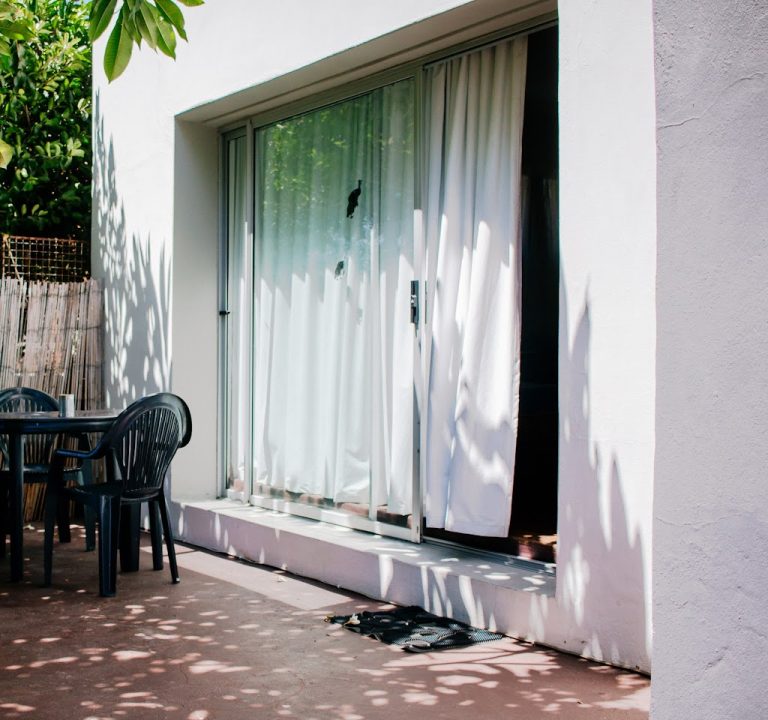
Typical facilities in Gqeberha accommodation include well-equipped kitchens or kitchenettes, comfortable living spaces, and en-suite bathrooms. Many guesthouses and small hotels provide inclusive breakfast or easy access to local dining, which can be a practical start to your day. A growing number of properties also offer air conditioning or fans, which helps in the summer heat, and some have outdoor spaces such as patios or small gardens to enjoy morning coffee or evening views of the sea or harbour. If you’re travelling for business or a longer break, look for workspaces in the room or a shared business lounge, subject to availability.
Transport in and around Gqeberha is straightforward but worth planning in advance. The city has a network of taxis and rideshare options, and some accommodations can arrange airport transfers or city tours. If you plan to explore the surrounding coast and nature reserves, renting a car is often the most convenient option, giving you the flexibility to visit beaches, conservancies, and small towns at your own pace. For shorter day trips, consider guided experiences that cover key coastal views, wildlife viewing opportunities, and cultural highlights. When budgeting travel time, the Bellville and Port Elizabeth central corridors can experience light traffic at certain times of day, so a little extra planning goes a long way.
The best time to visit Gqeberha depends on what you want to experience. The summer months bring warm coastal weather and water-based activities, while autumn and spring offer mild temperatures ideal for outdoor exploring and city walks. Winter can be cooler but often sees clearer skies and excellent visibility for wildlife and landscapes nearby. If you’re keen on markets, street food, and local arts, try to coincide with market days and weekend events. Coastal ferries and harbour cruises are popular options for a relaxed day by the water, while nearby nature reserves offer morning safaris or birdwatching opportunities in the right season.
When selecting accommodation, think about practical tips to ensure a smooth stay. Book with flexibility if your plans might shift, and read recent guest reviews to gauge the current quality and service levels. Confirm whether breakfast is included or if you’ll have ready access to nearby cafes, and check cleaning schedules, especially for longer visits. If you’re sensitive to noise, choose a room away from busy streets or check whether the property has soundproofing. For sustainability-minded travellers, look for properties that promote local suppliers, energy-efficient practices, and mindful housekeeping routines.
As for activities and dining in Gqeberha, you’ll find a broad mix of experiences without needing to travel far. General highlights include long sandy beaches perfect for walks and sunsets, harbour views that capture maritime life, and coastal trails with panoramic viewpoints. Culture and history can be explored in small museums and heritage sites, where guided walks or curated exhibits offer insight into the city’s development. Dining ranges from casual eateries offering seafood and comforting fare to modern bistros and family-friendly venues showcases. In general terms, cafes and restaurants focus on fresh, locally sourced ingredients and vibrant flavour combinations, with menus that cater to diverse tastes and dietary preferences. Guided tours and day trips can introduce you to nearby reserves, coastal ecosystems, and cultural communities, providing a broader sense of the Eastern Cape beyond the city limits.
- Choose accommodation in a location that minimises transfer time to your must-see experiences.
- Check for essential amenities (Wi‑Fi, parking, kitchen facilities, air conditioning) and flexible policies.
- Plan a mix of harbourfront strolls, beach time, and cultural city walks to balance relaxation with exploration.
- Book transport or tours in advance if you’re visiting during peak periods or school holidays.
For a taste of local hospitality, consider staying at curated properties that emphasise comfort, convenience, and a sense of place. Websites and guesthouse listings can offer insights into what makes a stay memorable—whether it’s a quiet garden setting, proximity to key sights, or a host who can share recommended routes and hidden gems. Whether you’re seeking a cosy retreat in Munro Suites or a stylish apartment with easy access to the waterfront, Gqeberha provides a welcoming base from which to discover the Eastern Cape’s coast, culture, and coastline.