Johannesburg: A Traveller’s Guide to Accommodation, Areas, and Local Experiences
Johannesburg, a dynamic hub of culture, history and modern urban energy, makes for an engaging stay in Gauteng. When planning where to stay, consider the city’s distinct neighbourhoods, which offer different vibes—from leafy residential pockets to bustling nightlife corridors and cultural centres. Whether you favour a cosy guest house, a contemporary boutique hotel, or a comfortable self‑catering apartment, Johannesburg provides options to suit varied budgets and itineraries.
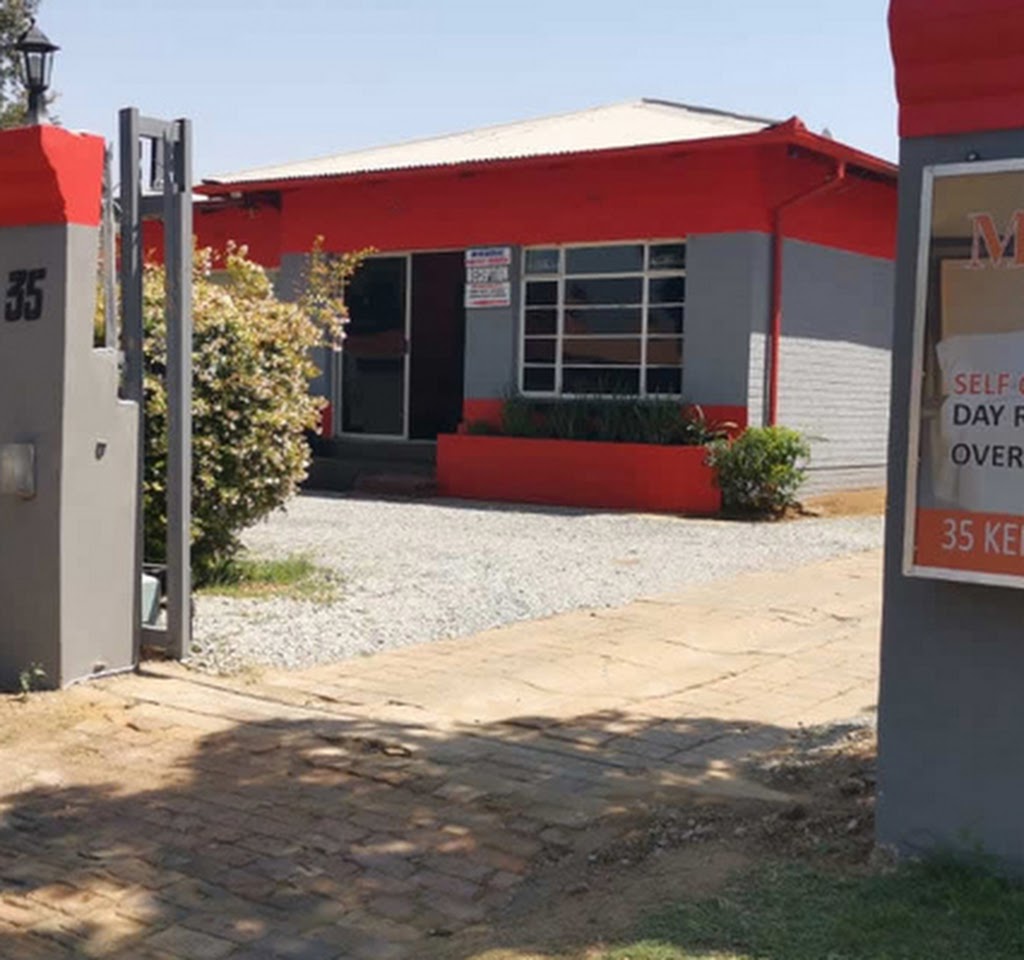
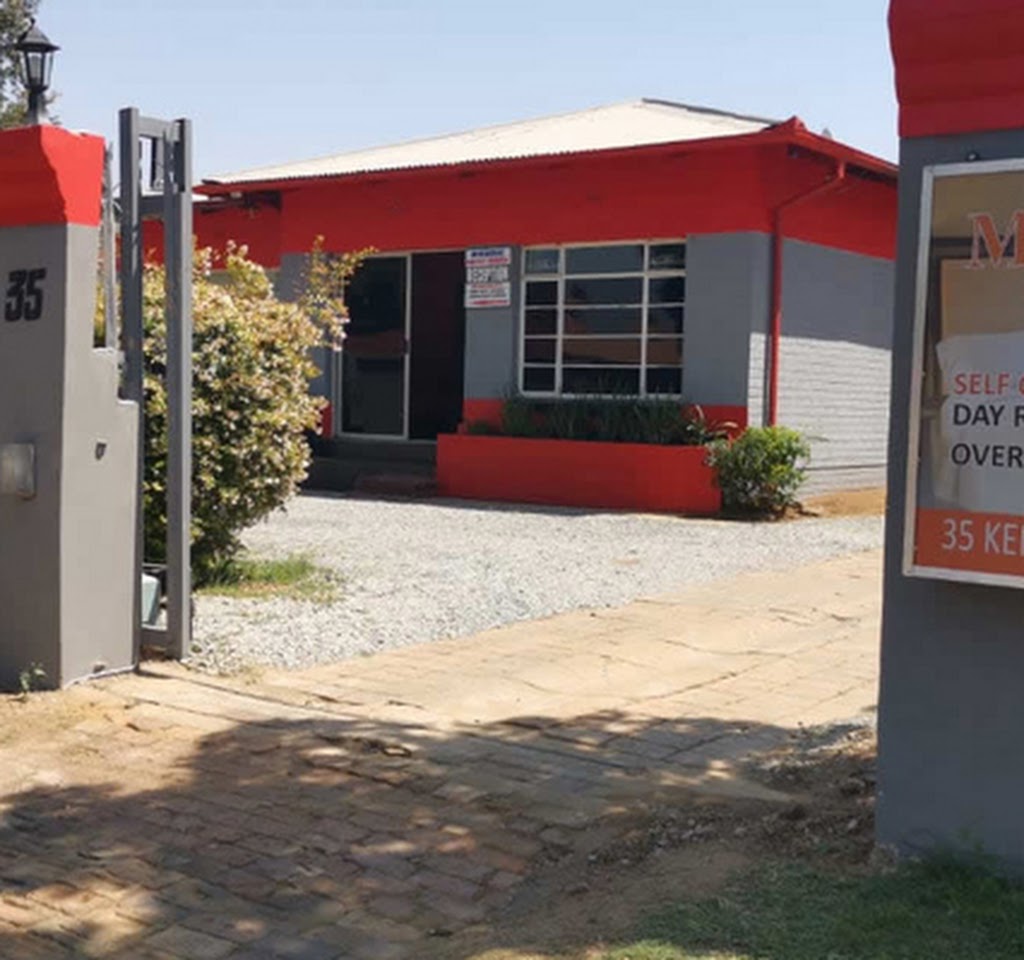
For a personable stay, a guest house such as Mukwano Guest House can offer a more intimate ambience, with breakfasts that showcase local flavours and hosts who can offer insider tips on navigating the city. If you are exploring other options, look for properties with secure parking or convenient shuttle arrangements, especially if you plan to explore beyond the central areas. Reading recent guest reviews can help you gauge consistency in service, cleanliness and hospitality, which are often the deciding factors in a pleasant stay.
Key areas to consider when booking include:
- Sandton and surrounding corridors, known for business hubs, upscale dining and easy access to major highways.
- Rosebank and Melville for a mix of boutique stays, markets, street life and easy access to the Gautrain network.
- Newtown and the inner city for a culturally rich atmosphere, museums and theatres, with revitalised public spaces.
- Fourways and the northern suburbs for family-friendly options and proximity to natural parks and shopping centres.
Typical amenities you might expect from well‑situated accommodation in Johannesburg include private en‑suite bathrooms, reliable Wi‑Fi, air conditioning or fans, a continental or full breakfast, secure parking, and 24‑hour reception in some properties. If you rely on public transport, choose options within easy reach of major tram, bus or rail links. The Gautrain is a fast option for travel to Johannesburg’s township heritage sites, other cities and the airport once you are in Gauteng, so proximity to a Gautrain station can be a practical advantage.
Booking advice to help you plan efficiently:
- Compare location against your daily plans. If you intend to spend long periods in the central business district or visiting museums and markets, staying within or near the inner city or Braamfontein can minimise transport time.
- Check for reliable hot water, consistent Wi‑Fi and adequate security. Johannesburg experiences temperature shifts, so appropriate heating or cooling should be available.
- Ask about on‑site dining or nearby eateries. While many guest houses offer breakfast, there are abundant neighbourhood options for lunch and dinner that showcase diverse South African cuisine.
- Review access to transport overnight. Some areas are safer than others after dark; knowing safe routes and local guidance can help you plan evening activities.
Transport tips for visitors: Johannesburg is a sprawling city, so owning a car isn’t essential but can be convenient. If you prefer not to drive, look for properties near safe, well‑lit public transport options or with easy access to ride‑hailing services. In central and suburban hot spots, taxis and rideshares are commonly used for short trips. When planning day trips to nearby attractions, map routes in advance and allow extra time for traffic, especially during peak hours.
Best time to visit Johannesburg varies with interests. Spring (September to November) and autumn (March to May) are excellent for comfortable temperatures and outdoor activities, with fewer crowds than peak school holiday periods. Winter days can be cool and sunny, great for museum visits and city walks. If your trip includes outdoor safaris or nature reserves, follow local guidance on opening times and seasonal considerations.
What to do and see, in broad terms, includes exploring the city’s heritage and art scene, exploring markets for craft and design, and enjoying parks and viewpoints. The city offers a spectrum of experiences—from historic precincts that illuminate South Africa’s past to contemporary galleries and street‑level dining that reflects the country’s vibrant cultural mix. For families, urban parks, interactive museums and child‑friendly venues provide engaging options, while nightlife and dining districts cater to adults seeking live music, contemporary cuisine and cosmopolitan vibes.
Practical tips for a smooth stay:
- Guard your belongings and use room safes or secure storage where available.
- Stay hydrated and dress for seasons, as afternoon heat can be strong even outside of peak summer.
- Carry a basic map or offline travel app to navigate quickly between neighbourhoods, markets and galleries.
- Respect local customs and be mindful of safety guidance in unfamiliar areas; ask hosts or local staff for current tips on where to go and what to avoid after dark.
For further inspiration and practical planning, consult official resources such as the City of Johannesburg’s tourism pages and Gauteng’s regional tourism information. These sources can help you tailor an itinerary that balances accommodation, culture and experiences, ensuring a rewarding stay in one of South Africa’s most energetic and diverse destinations.
Official resources and further information: City of Johannesburg, Gauteng Tourism.