Accommodation and Experiences in Pretoria, Gauteng: A Practical Guide for Visitors
Pretoria, the administrative heart of South Africa, blends leafy suburbs with vibrant urban precincts, offering a range of accommodation options from intimate B&Bs and homestays to stylish hotels and family-friendly lodges. When planning a stay, consider the pace you want, how close you need to be to government buildings or universities, and your preferred neighbourhood atmosphere. The city is well connected by road, and higher-end options are often within easy reach of shopping centres, parks, and cultural sites.
Where you stay can shape your experience. Central Pretoria and the arcades neighbourhoods offer convenient access to government buildings, museums, and markets, while areas such as Arcadia and Hatfield provide a lively dining and nightlife scene with quick links to the city’s universities. If a more residential vibe appeals, the eastern suburbs near Waterkloof or the leafy streets of Brooklyn and Lynnwood are popular for quieter stays with easy access to parks and ambler-friendly routes. For families or larger groups, lodges and guesthouses on the edges of the city tend to offer garden spaces, parking, and sometimes self-catering facilities.
When booking, look for a few practical essentials to ensure a smooth visit. Accessibility and transport options are important: ask about secure off-street parking if you’re driving, or proximity to rail links such as the Gautrain or local minibus taxi routes if you’re relying on public transport. Check the offering’s self-catering facilities, if any, and whether breakfast is included. For business travellers or longer stays, enquire about a work desk or reliable Wi‑Fi. A comfortable bed, clean en-suite bathroom, and a well-equipped kitchenette or tea-and-coffee station can make longer stays pleasant. If you’re planning a weekend break, a guesthouse or homestay that provides a friendly host experience can be a real asset for local tips and itineraries.
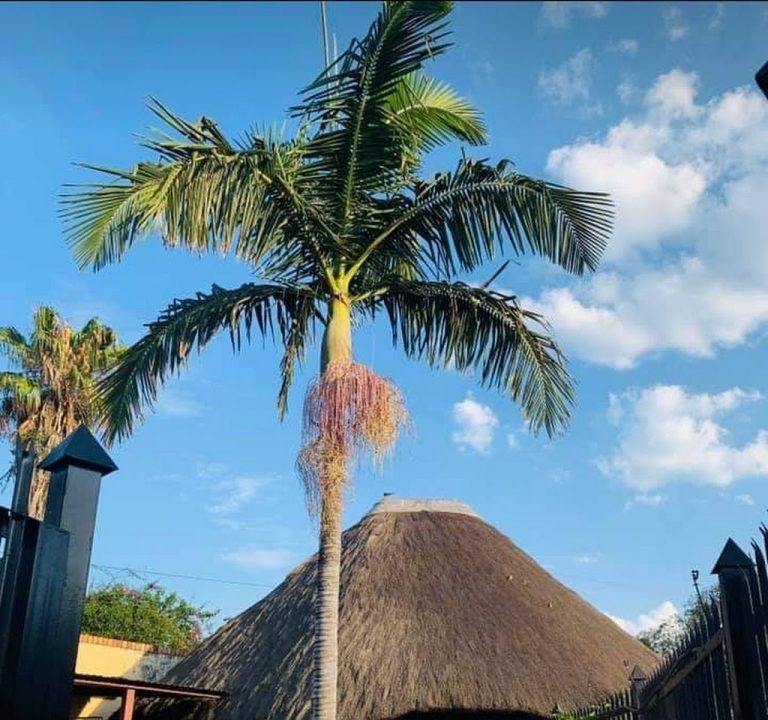
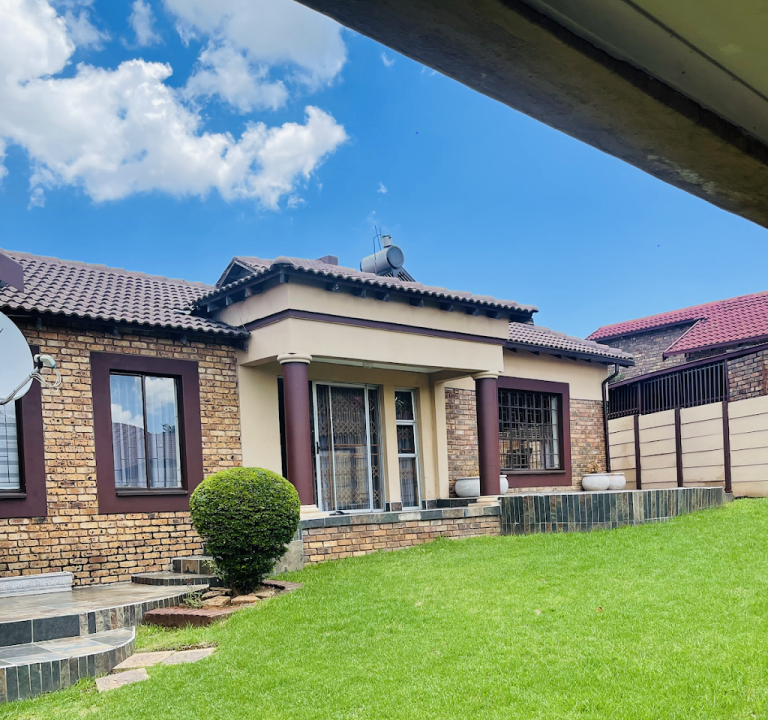
Typical amenities you might encounter include secure parking, daily housekeeping, air conditioning or fans for Pretoria’s warm summers, and heating for cooler winter evenings. Many properties offer outdoor spaces—courtyards, patios, or small gardens—which are a boon for travellers who want to enjoy Pretoria’s greenery. If you’re visiting during the rainy season or summer thunderstorms, consider a venue with reliable electrical outlets and backup power options, as outages can occur in some areas from time to time.
Transport planning is straightforward, but a heads-up helps. Pretoria’s grid system is easy to navigate by car, and many guesthouses and hotels provide guidance on driving routes to popular sites. Public transport options include the Gautrain to nearby towns and the city’s bus services. If you’re staying near university zones or business districts, you’ll often be within a short ride of cafés, casual eateries, and a handful of family-friendly restaurants. For day trips, you can arrange driver-guided tours or join group activities that highlight Pretoria’s cultural heritage, gardens, and viewpoints. If you’re driving, it’s wise to be mindful of peak-hour traffic around central areas, especially on mornings and late afternoons, and to allow extra time when planning connections to nearby towns or the airport.
The best time to visit Pretoria tends to be during the austral winter months (June to August) when the weather is milder and drier, making walks and park visits pleasant. However, spring (September to November) and autumn (March to April) also offer comfortable temperatures and colourful gardens, particularly at the city’s botanic venues. Summer brings vibrant activity but can be hot and humid, with the possibility of thunder showers. If you plan outdoor excursions, bring sun protection for day trips to botanical gardens and nature reserves, and pack a light layer for cooler evenings in certain districts.
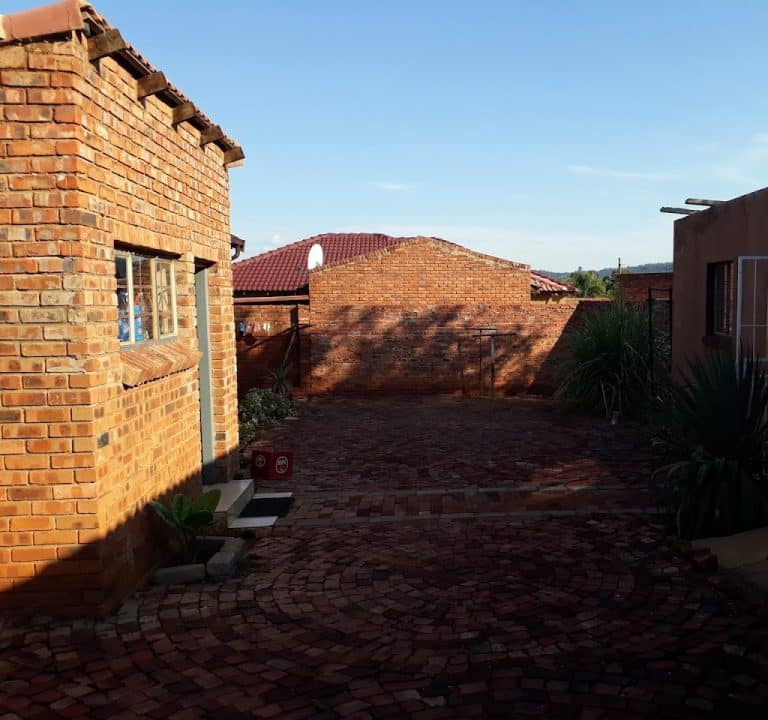
As for experiences, Pretoria’s attractions skew toward open-air spaces, stately avenues, and reflective heritage. You might spend an afternoon exploring large urban parks or botanical gardens, with time for a stroll through avenues shaded by jacaranda trees when in bloom. Museums and monuments offer historical context and a sense of the city’s evolution, while city precincts feature marketplaces, cafés, and casual eateries that showcase local produce and international flavours. Dining in Pretoria ranges from traditional South African fare to modern bistros and family-friendly restaurants, with an emphasis on warm hospitality and straightforward, comforting cuisine. For a homestay example, you might encounter a welcoming host offering insights into neighbourhood walks, local markets, and nearby nature trails—the kind of authentic, traveller-friendly hospitality that makes a stay memorable.
- Areas to consider: central Pretoria for convenience; Arcadia, Hatfield, and Brooklyn for dining and nightlife; eastern suburbs for a quieter, leafy setting.
- What to look for when booking: secure parking, reliable Wi‑Fi, en-suite facilities, breakfast options, and proximity to transport links or major sights.
- Typical amenities: air conditioning or heating, housekeeping, self-catering facilities, outdoor spaces, and good safety features.
- Best time to visit: late spring and autumn for pleasant temperatures; winter is milder and dry; summer offers lush gardens but can be hot and stormy.
- Practical tips: map out a rough daily plan to balance indoor and outdoor activities; consider a mix of accommodation types to sample different neighbourhoods; use reputable booking platforms and read recent guest reviews.
For planning inspiration and up-to-date options, visitors to Pretoria can check official tourism resources and explore the city’s mix of accommodation styles, from homestays to boutique hotels. A stay in Pretoria offers a balanced blend of government heritage, green spaces, and modern hospitality, with a friendly, welcoming pace that suits both short breaks and longer stays. If you are looking for quiet, authentic experiences within a friendly community, a homestay such as Mr Moloane’s Home can be a comfortable starting point to understand daily life in the capital region while you explore Pretoria’s varied attractions and culinary scene.