Exploring Cape Town: Accommodation and Planning for a Memorable Stay
Cape Town, set between the harbour and the craggy silhouette of Table Mountain, offers a diverse mix of guest houses, boutique hotels, self‑catering flats and traditional lodges. When planning a stay, think about what you want to access each day—city sights, coastal scenery, or tranquil hillside retreats—and choose a neighbourhood that minimises travel time while delivering a flavour of the city. Accommodation in Cape Town ranges from cosy guest houses with a personal touch to modern boutique hotels that provide stylish interiors and reliable services.
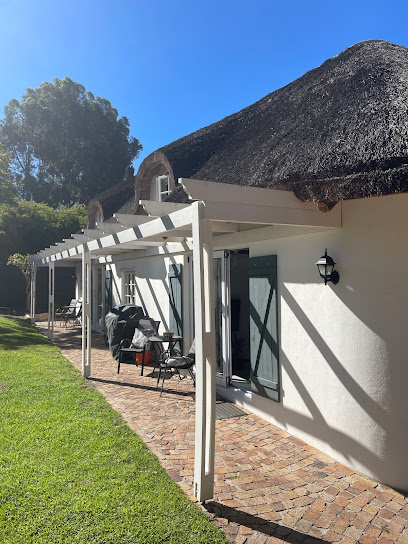
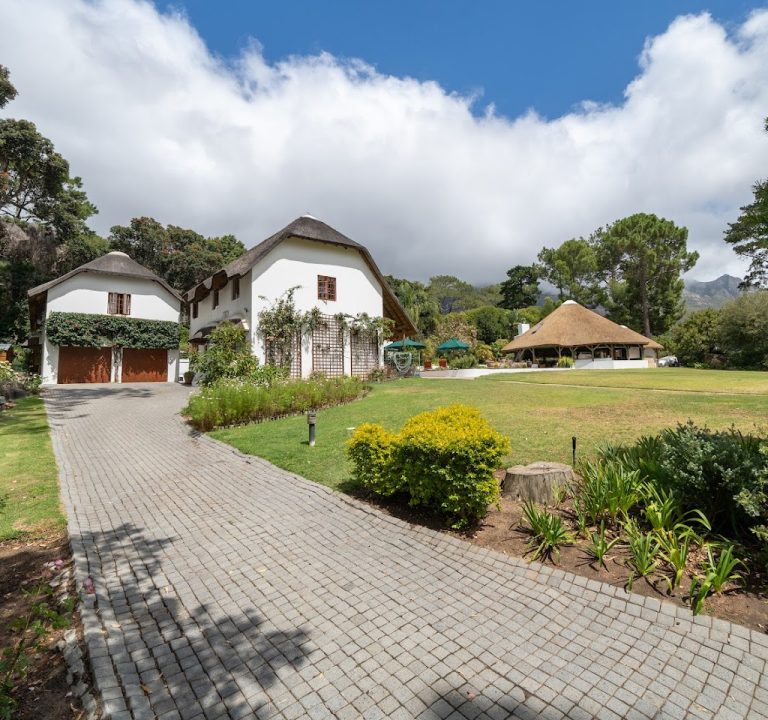
For guests seeking a home-away-from-home experience, guest houses and B&Bs are plentiful, often with breakfast included and hosts who can offer local tips. Mountain View Cottage, for example, is listed as a guest house option and can be explored further through its listing. Such properties frequently boast personal courtyards, welcoming lounges, and compact kitchen facilities, making them ideal for longer stays or travellers who value a friendly, intimate atmosphere.
Neighbourhood choice is key. The Atlantic Seaboard (including areas like Sea Point, Green Point and Bantry Bay) is popular for easy access to beaches, promenades, and a lively dining scene. The city bowl offers proximity to museums, theatres and historic streets, while a stay in the Constantia Valley or the southern suburbs provides a slower pace, wine routes and green spaces. For families or those who prioritise scenic drives, the Atlantic coast and the southern suburbs can be ideal bases with sea views and quieter evenings.
Facilities to look for when booking include reliable Wi‑Fi, secure parking if you are hiring a car, air conditioning or good ventilation, and a friendly, knowledgeable host who can offer restaurant suggestions and day trips. Typical amenities in Cape Town accommodation include en-suite bathrooms, generous breakfasts, curated local information, and sometimes access to a garden or pool. If you are visiting in peak season, check for air-conditioning and sunshades, as Cape Town summers can be warm and breezy with strong coastal winds at times. For cooler periods, ensure heating and warm bedding are provided for comfort.
Transport planning helps you get the most from your time. The city has a network of authorised tour operators and established bus routes that pass through major sights, while Uber and other ride-hailing services are widely used. If you plan day trips beyond the city, a hire car offers the most flexibility, especially for exploring the Cape Winelands, Cape Point, and the Constantia wine route. When staying in central districts, compact, walkable streets make it feasible to explore on foot or by short rides, reducing the need for car use on busy days.
The best time to visit Cape Town depends on interests and tolerance for crowds. The late summer and autumn months (February to May) offer mild weather, clear seas, and fewer visitors, which is ideal for outdoor activities and hillside hikes. Spring (September to November) brings a burst of colours in the fynbos and blooming gardens. Winter (June to August) is cooler and wetter, but Cape Town’s cultural calendar, museums, markets, and excellent dining can still be enjoyed, with fewer crowds, particularly in the softer rain days. If you’re keen on whale watching, coastal months in winter and spring offer opportunities, while summer remains a popular period for beaches and outdoor events.
When planning an itinerary, mix a couple of high‑impact sights with leisurely days in parks, markets and waterfront promenades. Iconic experiences often highlighted by visitors include breathtaking coastal drives, short hikes with panoramic views, and waterfront dining with a focus on seafood and local flavours. If you prefer guided activities, there are operators offering nature walks, township tours, and wine‑tasting trips that can be arranged through hotel concierges or guest‑house hosts. While individual restaurant recommendations should be chosen from up‑to‑date guides, Cape Town’s dining scene ranges from casual cafes with al‑fresco seating to refined restaurants that showcase South African produce and global influences.
Practical tips for a smooth stay:
- Always verify what the rate includes, such as breakfast, housekeeping, and parking.
- Check proximity to the places you intend to visit and whether the property offers easy access to public transport or parking if you drive.
- Review cancellation policies in advance, especially if your plans may change with weather or events.
- Pack layers for changing coastal weather; mornings and evenings can be cooler, even in summer.
- Respect local guidelines and safety advice, particularly when exploring busy markets or remote coastal areas.
- Ask hosts or reception for recommended safe walking routes and current delivery or dining options nearby.
To illustrate how a stay might look, consider a guest‑house option such as Mountain View Cottage. It represents the kind of intimate, characterful lodging that can anchor a Cape Town visit, offering a comfortable base from which to explore nearby sights and markets, with host guidance on local routes and eateries. For more details, visitors can explore the property’s online listing to gauge room layouts, amenities, and access to transport links and nearby attractions.