Accommodation and Getting Around in Mount Ayliff, Eastern Cape: A Practical Traveller’s Guide
Nestled in the scenic Eastern Cape, Mount Ayliff offers a peaceful base for exploring rural landscapes, Wooded valleys and rolling hills that characterise this corner of South Africa. Whether you are seeking a cosy guesthouse, a characterful lodge, or a small-scale boutique hotel, the area provides friendly, lightly curated stays with access to authentic local experiences. Planning a stay here means balancing restful downtime with opportunities to explore the surrounding countryside and nearby towns.
When choosing where to stay, consider the neighbourhood and access to essential amenities. Mount Ayliff itself functions as a rural hub, with surrounding settlements offering guesthouses and small hotels that emphasise personal service and regional charm. Look for properties that clearly state parking availability, on-site dining options, and how far they are from key roads or public transport links. If you are visiting for hiking or nature, ask about guided walks, route maps, and options for arranging day trips. A modest, well-equipped base can make all the difference to your trip, particularly if you plan several day excursions each week.
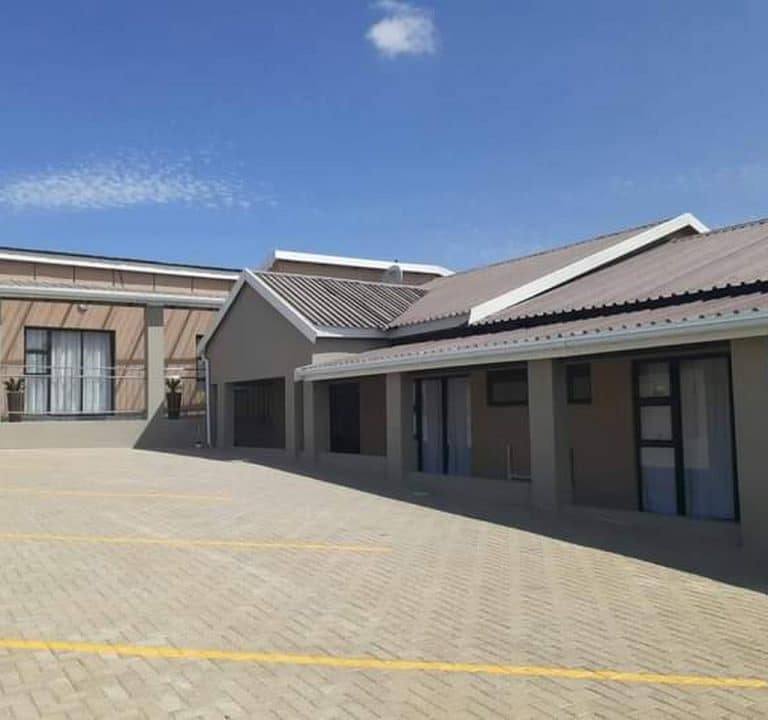
Typical accommodations fall into a few comfortable categories. Guesthouses and B&Bs in Mount Ayliff often feature private rooms with en-suite facilities, shared lounges or verandas, and a simple, hearty breakfast option. Lodges and small hotels tend to offer larger rooms or suites, sometimes with additional amenities such as a pool, outdoor seating areas, or landscaped gardens. The focus in this region is often on practical comfort and a friendly, family-run atmosphere rather than flash formalities. If you value quiet evenings and a personal touch, a smaller guesthouse close to the town’s amenities can be an excellent choice.
Amenities you might encounter include free on-site parking, continental or South African breakfast options, and Wi‑Fi in public areas or guest rooms. Some properties offer ablution facilities for bridal or family groups, basic kitchenettes, or snack bars. If you’re planning longer stays, look for self-catering options or rooms with tea and coffee facilities, which add flexibility for early-morning starts or late-night return from excursions. When booking, check for details about housekeeping frequency, laundry services, and whether meals are available on site or nearby, as this can significantly affect daily planning in a rural setting.
Transport considerations are important in this part of the country. Car hire is often the most convenient way to explore Mount Ayliff and the wider region, granting you independence to saunter along local routes or detour to a viewpoint at short notice. If you prefer not to drive, investigate the availability of local transfers or arrange a guided day trip with your accommodation. Road conditions can vary, so choosing a property that can offer practical guidance or even arrange airport or town transfers can save time and reduce stress. For longer journeys, you’ll typically travel via regional towns with bigger transport hubs, then continue by road to Mount Ayliff. A reliable or well-rated GPS app can be a useful companion for navigating rural lanes and scenic byways.
Best time to visit Mount Ayliff tends to align with the region’s temperate climate patterns. Dry winter periods can be excellent for outdoor activities like hiking, photography, and birdwatching, while spring and early summer bring lush scenery and wildflower bursts after rains. If you are planning outdoor adventures, bring layers for cooler mornings and evenings and pack sun protection for daytime hikes. If you’re interested in cultural experiences, scheduling visits around local markets or community events can add meaningful context to your stay. Late summer thundershowers are possible, so a light rain jacket and adaptable plans help keep travel smooth.
Practical planning tips for a successful stay in Mount Ayliff include budgeting time for travel between your accommodation and any points of interest, and confirming whether restaurants and cafés near your stay are open on the days you plan to explore. Many small properties offer recommendations for nearby eateries, ranging from simple, family-run cafés to more substantial local restaurants that showcase regional produce. If you are keen to sample local flavours, ask your host about dishes that reflect the area’s culinary traditions and whether they can accommodate dietary preferences.
Most visitors use their accommodation as a base for light day trips or shorter nature walks rather than all-day excursions. If you’re seeking guided activities, request information from your host about reputable local operators who offer nature walks, community tours, or wildlife-viewing experiences in the wider Eastern Cape. In addition to natural attractions, you’ll find that Mount Ayliff serves as a gateway to rural life in this region, where hospitality and landscapes combine to create a relaxed pace and a sense ofescape from busier city itineraries.
- Consider the distance from your lodging to essential services (shops, fuel, medical facilities) when planning daily activities.
- Check for on-site parking, security, and whether your room has private or shared facilities.
- Ask about breakfast options, meal times, and arrangements for special dietary needs.
- Inquire about guided walks, transport arrangements, and day-trip possibilities to avoid last-minute planning stress.
For further inspiration and practical planning, you can explore general travel resources about South Africa’s Eastern Cape and the Mount Ayliff area at reputable tourism portals. A well-chosen base, warm hospitality, and thoughtful planning can make a visit to Mount Ayliff a memorable part of any South African itinerary. More information and ideas can be found at official travel sites, including regional pages and broad national tourism resources, which provide current tips on routes, best seasonal activities, and practical visitor guidance: https://www.southafrica.net.