Accommodation and experiences in Masehlaneng, Limpopo: planning a comfortable stay
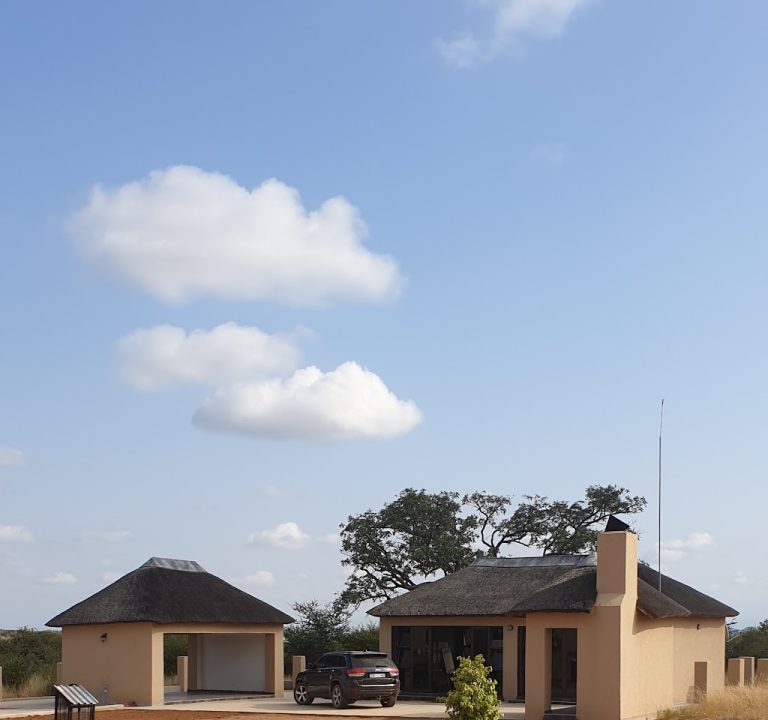
Nestled in the rural heart of Limpopo, Masehlaneng offers a range of lodging styles that suit travellers seeking authentic South African hospitality and easy access to landscape and wildlife. From intimate guesthouses to lodge-style retreats such as Motsetladi Lodge, visitors can expect warm, personalised service, comfortable rooms, and a grounding in the local community. When planning a stay, think about what you want to wake up to: quiet country lanes, open savannah, or a doorstep to nearby wildlife experiences.
Areas to consider when choosing where to stay include proximity to the main access routes, quiet neighbourhoods that feel safe after dark, and the ease of reaching local attractions. Some lodges are set within larger farms or nature reserves, offering a sense of seclusion while still providing practical access to essential facilities. If you prefer a village-style setting with a handful of dining choices, look for accommodations that emphasise low-key atmosphere, generous outdoor spaces, and easy parking. Always check the map before booking to confirm how far you are from the sights you plan to explore and whether transportation is required for daily excursions.
When booking, here are some practical considerations to guide your decision:
- Room configuration: whether you need a family room, a twin room, or a self-catering apartment, and whether the property offers flexible dining options (in-house meals, or self-catering facilities).
- Amenities: en-suite bathrooms, air conditioning or fans for warm Limpopo nights, reliable Wi‑Fi, secure parking, outdoor seating, and a pool or sun deck for downtime between activities.
- Value for money: check what is included in the rate (breakfast, guided outings, transfers) and what might incur extra charges (activities, late check-ins, or per-person fees).
- Family- or accessibility-friendly facilities: if travelling with children or guests with mobility needs, confirm access features and child-friendly spaces.
- Safety and security: look for well-lit entrances, on-site staff presence, and transparent cancellation policies in case plans shift.
Typical amenities you may encounter include well-appointed bedrooms with fans or air conditioning, en-suite bathrooms, and in some cases private balconies or verandas. Many lodges offer communal lounges, dining areas, and outdoor spaces where you can enjoy the Limpopo air. A few may provide guided activities such as nature walks, birdwatching, or cultural experiences conducted with local communities. If you value privacy, seek a lodge with separate cottages or suites and minimal shared spaces, while still ensuring access to a helpful front desk team for arranging trips.
Transport and access are important. In Masehlaneng, many visitors arrive by road, driving from larger towns or airports in Limpopo. If you plan to self-drive, verify parking provisions and whether the property offers secure overnight storage for vehicles. For those without a vehicle, check if the accommodation can arrange transfers from a nearby town or airport, and whether guided day trips can be booked directly through the property. Consider your daily itinerary and whether you’ll rely on a private driver or on-site guides for wildlife experiences, local culture visits, or scenic viewpoints.
Best time to visit Limpopo tends to hinge on weather and wildlife activity. The dry season, typically from late autumn through winter, can offer clear skies, cooler mornings, and good wildlife viewing as animals congregate around water sources. The shoulder periods can be pleasant for outdoor activities, with milder temperatures and fewer crowds. The wet season brings lush landscapes and afternoon showers, which can be dramatic and refreshing, but may affect outdoor plans. Pack layers, sun protection, and a light waterproof layer, and plan indoor options for afternoon storms.
Practical tips to enhance your stay include preparing for malaria risk in some parts of Limpopo, especially if you’re venturing into more remote areas. Consult your healthcare provider about prophylaxis and ensure you have suitable insect repellent. Respect local customs and support community-based experiences where appropriate, as these can offer meaningful insights into the region’s heritage and daily life. Bring a reusable water bottle and refill where safe, and carry cash in small denominations for markets or smaller eateries that may not accept cards.
Dining and local flavour: many lodging options provide tasty, home-style meals, and some offer farm-to-table or regional dishes crafted from local ingredients. If your accommodation does not include meals, you’ll typically find options within a short drive, ranging from simple, hearty restaurant fare to rustic eateries that showcase regional cooking. When planning meals, note that opening hours in rural areas can vary, particularly on weekends or public holidays, so it’s wise to confirm dining times in advance.
Attractions and activities in the wider area are diverse and suited to travellers who enjoy nature, culture, and scenic landscapes. Expect opportunities for guided safaris or nature walks, visits to nearby reserves or cultural villages, and viewpoints offering sweeping panoramas of the Limpopo countryside. For a balanced itinerary, mix nature-watching with cultural experiences and relaxed meals at approachable venues. As with all trips, a flexible plan helps you make the most of changing weather and local recommendations.
Lastly, if you are considering a stay at Motsetladi Lodge or similar properties in Masehlaneng, use the official website when available to check room types, amenity lists, and any seasonal packages. Reading recent guest reviews can provide practical insights into transfers, staff attentiveness, and the real-world experience of the lodging, helping you tailor a stay that suits your pace and interests.