Discover Mossel Bay: Where to stay and what to do
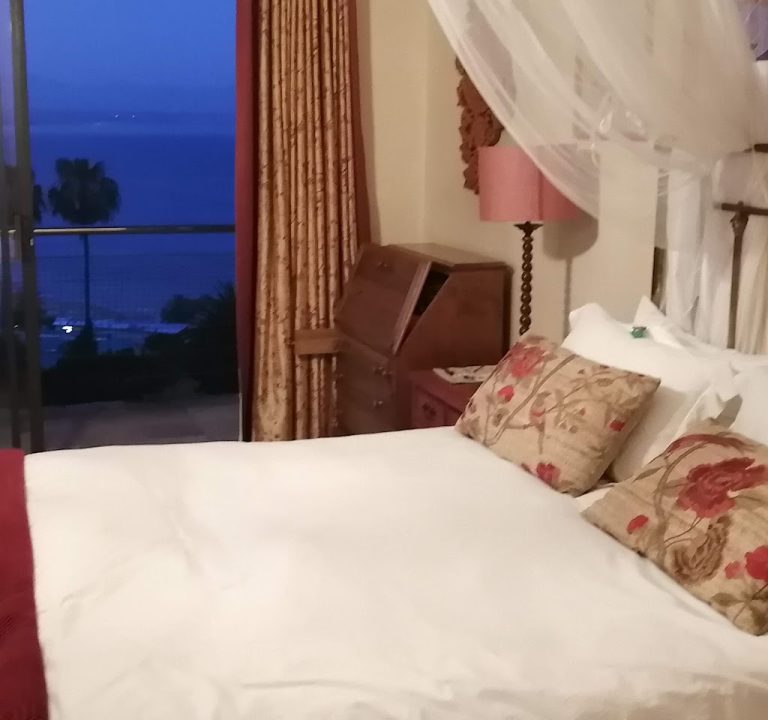
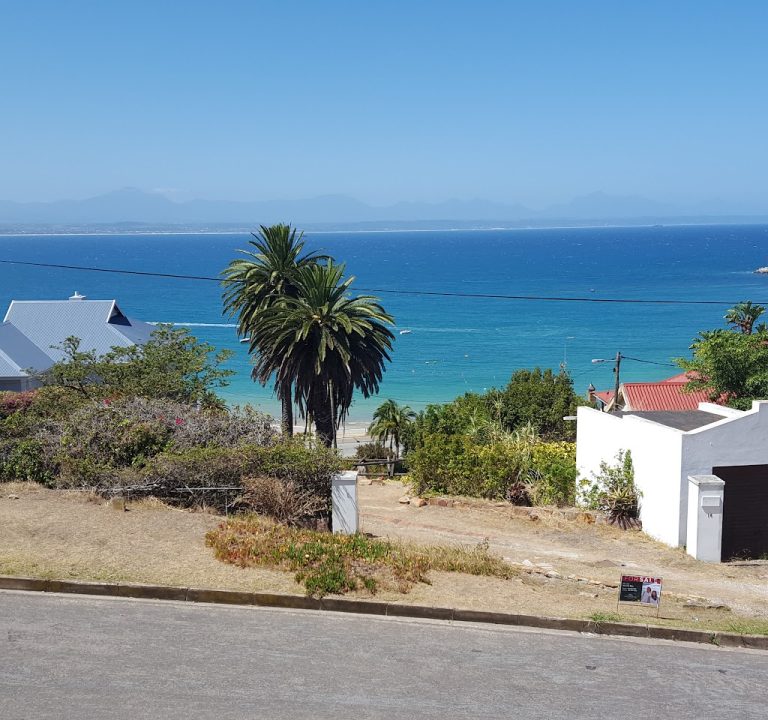
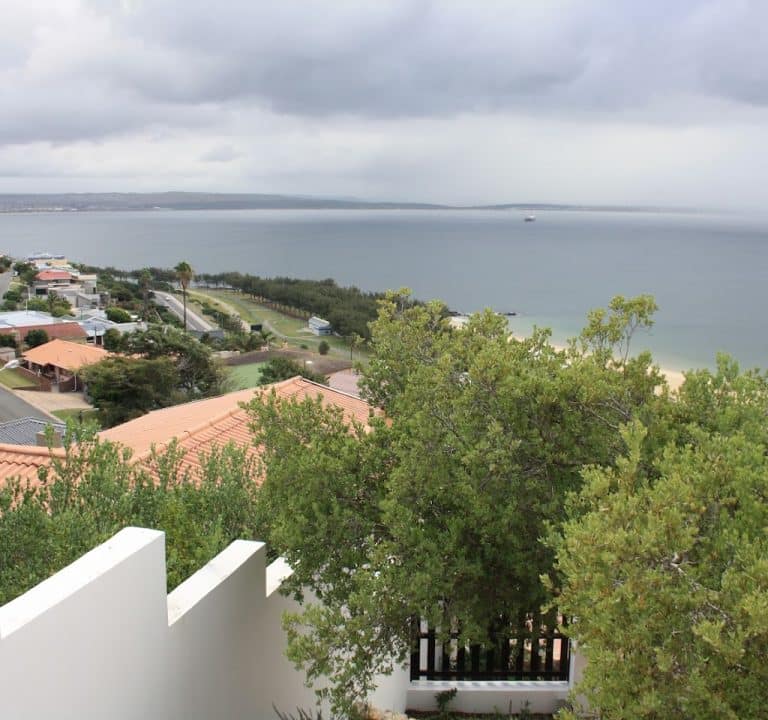
Mossel Bay in the Western Cape offers a relaxed seaside atmosphere paired with rugged coastal scenery, making it ideal for a break that blends beach days with cultural exploration. When planning a stay, consider the character of different neighbourhoods and what you want from your visit. The harbour area tends to be lively with easy access to waterfront walks, while the town centre often provides a practical mix of shops, cafés and convenient transport links. For a quieter ambience, look towards the suburbs that edge onto the coast or the surrounding hills, where guesthouses and small hotels frequently offer more intimate service and garden or sea views.
When booking accommodation, think about a few practical factors to ensure a comfortable stay. Start with proximity to the activities you want to enjoy—whether you plan to spend long days on beaches, exploring museums, or enjoying coastal hiking. Check the level of self-catering versus full-service options, and note whether there is air conditioning for warm summer nights or heating for the shoulder seasons. A generous breakfast is a favourite feature of many Mossel Bay stays, helping you set out for long days of sightseeing without worrying about meals. If you need access to parking, confirm availability, as some smaller guesthouses have limited space. Finally, skim the guest reviews for insights on sleep quality, noise levels, and the responsiveness of staff.
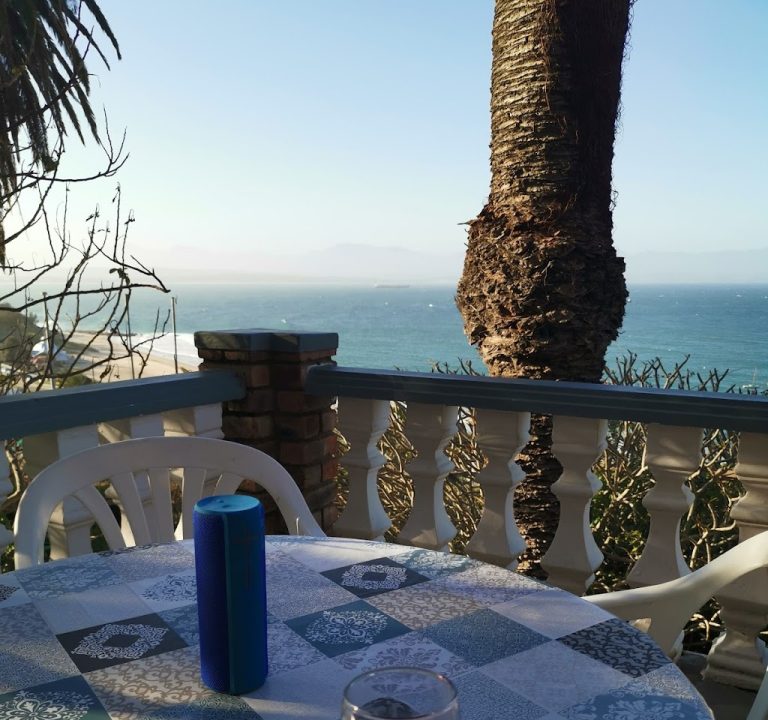
Typical amenities that travellers value in Mossel Bay range from practical conveniences to little luxuries. Free Wi‑Fi is common and essential for keeping in touch with family and work, while en-suite bathrooms save time in the morning routine. Many properties feature outdoor spaces such as patios or courtyards, which are pleasant for morning coffee or an evening wind-down after a day of sightseeing. A well-equipped kitchenette or kitchenette access can be a strong plus for longer stays, and on-site parking is a real convenience if you plan to hire a car to explore the surrounding coast and inland routes. If you prefer a personal touch, a bed & breakfast often offers a host who can tailor recommendations to your interests, from restaurant reservations to hidden coves that aren’t on every map.
Transport in Mossel Bay is manageable without a car, but having one can unlock the full range of day trips along the Garden Route. The road network is straightforward, and many guesthouses are within a short drive of the town centre, beaches, and the harbour. If you arrive by bus or coach, check how easy it is to reach your base on foot or via a short taxi ride. Walking into town can be pleasant, especially in the cooler mornings and late afternoons when ocean breezes temper the heat. When planning longer excursions, map out your route to include time for scenic coastal stops, viewpoints, and a few unplanned detours.
The best time to visit Mossel Bay depends on your priorities. Summer (roughly November to March) brings warm sea temperatures and longer days, ideal for beach-going, watersports, and outdoor dining. Winter (May to August) can be cooler and windier but offers impressive scenery along the cliffs and a chance to enjoy quieter streets and the hospitality of intimate guesthouses. Shoulder seasons often strike a balance between pleasant weather and fewer crowds, making them excellent for a relaxed itinerary and reasonable rates.
To help you structure a stay, consider a balanced itinerary that combines nature, culture, and food. Start with a morning harbour walk or a sheltered beach time, followed by a visit to one of Mossel Bay’s museums or heritage sites to gain a sense of the area’s maritime history. You can spend afternoons exploring coastal hiking trails such as clifftop paths that reveal sweeping sea views, then treat yourself to casual riverside or harbour-side dining where menus emphasise fresh seafood and regional produce. Mossel Bay’s dining scene tends to favour relaxed, unpretentious places where you can enjoy flavours of the sea and sun-dried herbs, with several venues offering kid-friendly options or lighter tapas-style plates for groups with varied tastes.
For those seeking a range of visitor experiences beyond the coast, you’ll find day trips to nearby towns, nature reserves, and viewpoints that showcase the region’s biodiversity. Look for guided experiences that offer local insights—their recommendations for scenic routes, safe beaches, and best sunset spots can save you time and enrich your stay. If you plan to combine a beach holiday with cultural discoveries, book accommodation with easy access to both the coast and town facilities, and allow time for relaxed mornings and slow dinners that take advantage of the pleasant evening air.
Optional: Mossel Bay’s appeal is enhanced by a few tasteful food-and-drink stops and casual eateries that showcase local produce. When researching, you’ll find overall themes rather than fixed names or prices. A practical note is to reserve tables ahead for popular weekends or peak seasons, particularly if you favour waterfront terraces or family-friendly venues. For more inspiration, you can explore regional tourism resources and official pages to discover current events, seasonal menus, and suggested itineraries that match your dates and interests.
On a practical note, carry a light layer for changeable coastal weather, a small daypack for shore excursions, and a universal adaptor if you’re staying in some guesthouses with adapted sleeping areas. With thoughtful planning, Mossel Bay makes a rewarding base for both restful downtime and explorations along the cape’s enchanting coastline. To start planning, you can explore accommodation options and local tips online, and consider a stay that blends comfort, convenience, and a hint of the sea-meets-hestory character that defines Mossel Bay. For general travel ideas and practical planning tips, a dedicated regional tourism site can be a helpful reference: https://www.mosselbay.co.za.