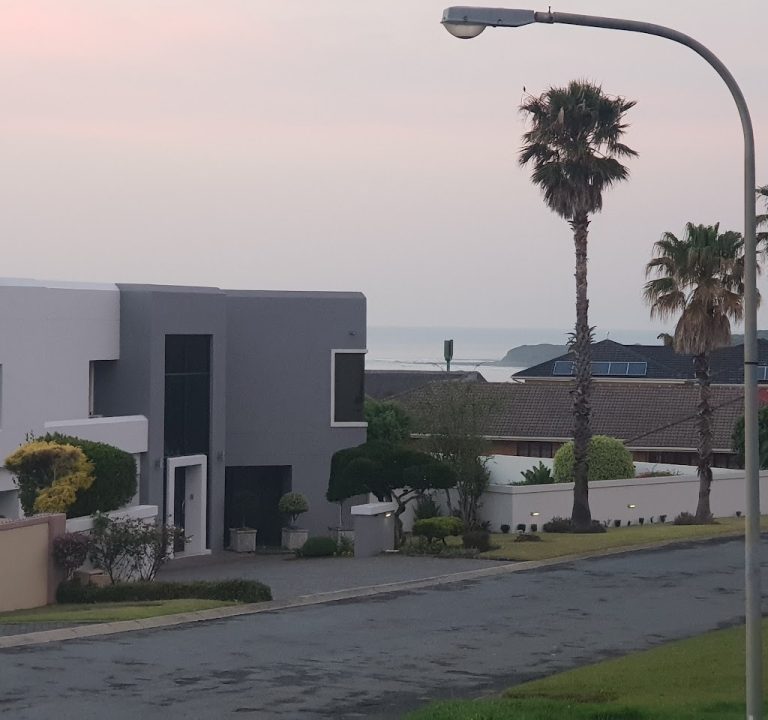
Accommodating East London, Eastern Cape: Where to stay and how to explore
East London in the Eastern Cape offers a pleasant mix of coastal scenery, riverine habitats, and vibrant urban life, making it a compelling destination for a short break or a longer escape. When planning a stay, consider the areas that best suit your rhythm and interests: a seafront base for easy access to beaches, a central location for walks and nightlife, or a quieter residential neighbourhood for a relaxed pace and local character. A well-chosen bed & breakfast or guesthouse—such as Mopani Cottage, a quintessentially welcoming option in the area—can provide personalised service, a warm atmosphere, and practical insights from hosts who know the town well.
Accommodation in East London ranges from charming B&Bs and guesthouses to contemporary hotels and self-catering flats. When evaluating options, look for a few dependable features that make a stay comfortable and stress-free. A good breakfast is a welcome start to busy days of exploring, while reliable Wi-Fi, comfortable bedding, and a well-equipped en-suite can save time and add convenience. For longer stays, consider properties with laundry facilities, a convenient parking arrangement, and a location within easy reach of your planned activities. If you are travelling with family or a larger group, ask about family rooms or interconnecting suites to keep everyone together.
Transport and accessibility are key planning elements. East London’s coastal setting means that some attractions cluster near the beaches and the Esplanade, while others lie inland. A guesthouse or B&B that offers advice on local transport options—such as affordable taxi services, ride-hailing apps, or proximity to a commuter route—can help you design efficient day trips. If you plan to drive, check whether your accommodation provides on-site parking or street parking permits. For travellers arriving by air, a short drive from the airport to the city centre is common, followed by a stroll to nearby cafés or a scenic promenade.
Best time to visit East London depends on what you want from your trip. The climate is generally mild, with warm summers and cooler winters. The warmer months are ideal for beach days, river walks, and water activities, while spring and autumn can offer pleasant conditions for outdoor sightseeing and city strolls. If you enjoy cultural events or markets, check the local calendar for seasonal happenings and community gatherings, which often fold into a relaxed, friendly ambience that East London is known for.
Typical amenities to look for in an accommodation choice include a comfortable lounge or shared spaces where guests mingle, kitchenette or communal cooking facilities for flexible dining, and outdoor areas such as patios or gardens where you can unwind after a day of exploring. Some properties provide recommendations for local experiences—from guided nature walks and birdwatching along the river to heritage sites and coastal viewpoints. If you value a personal touch, a host who can share custom itineraries or “you must see” neighbourhoods can greatly enrich your stay.
To plan your days, balance your itinerary with a mix of beaches, parks, and cultural stops. East London’s coastline offers scenic walks and safe Dunbrody-style beaches, while inland you’ll find leafy suburbs and urban parks perfect for picnics. Try to slot in a visit to a local market or a community café to taste regional flavours and meet residents. For a broader sense of the region, a short excursion to nearby coastal villages or nature reserves can complement the city experience without requiring long drives.
When selecting dining options, aim for places that concentrate on fresh ingredients and straightforward, flavourful dishes. In East London, you’ll find cafés and casual eateries offering everything from hearty breakfasts to light lunches and evening meals inspired by South African and fusion cuisines. Don’t expect to see everyday menus fixed in stone; instead, seek venues that showcase seasonal produce and a friendly atmosphere where staff can suggest dishes that highlight the local ingredients and style of cooking. If you’re staying near the seafront, a stroll to sunset-view spots after a light bite can be particularly rewarding.
Practical tips for a smooth stay:
- Pack layers to accommodate changing coastal weather and comfortable shoes for walks along promenades and markets.
- Book accommodation with clear cancellation policies and transparent terms, especially during peak travel periods.
- Check if your host can arrange or recommend reliable transport options and provide maps or contact details for local taxis or tour guides.
- Consider a short, well-planned two- or three-day itinerary to avoid fatigue and maximise your time in both coastal and inland highlights.
- Respect local etiquette and environmental guidelines, particularly near beaches and nature reserves, to help maintain the area’s natural beauty for everyone.
In summary, East London offers comfortable, welcoming places to stay that pair well with an itinerary built around beaches, parks, culture, and tasty, straightforward dining. Aim for a homely base that matches your pace, use hosts or local guides as insight-rich resources, and let the city’s laid-back charm unfold through easy daily discoveries. For inspiration and practical planning, you can explore regional tourism resources online and begin with a few well-chosen properties in areas that best complement your interests. A thoughtfully chosen stay can set the tone for a memorable East London visit.