Pretoria: Where to Stay, Eat, and Explore in Gauteng
Pretoria, the administrative capital of South Africa, blends leafy suburbs, jacaranda-lined streets and a rich mix of museums, gardens and modern eateries. Whether you are travelling solo, as a couple or with family, the city offers a range of accommodation options aimed at comfort, convenience and a sense of place. From compact guesthouses in peaceful neighbourhoods to contemporary hotels near business hubs, a well‑planned stay can also help you access Pretoria’s cultural landmarks and natural beauty with ease.
When choosing a place to stay, consider the area’s character and accessibility. Central areas and well‑connected suburbs make day trips straightforward, while quieter residential districts provide a calmer base after a day of sightseeing. If you are travelling by train or plane, look for properties near major transport links such as the Gautrain corridor or main roads leading to the city centre and the eastern suburbs. For families, self‑catering apartments or guesthouses with family rooms in secure complexes can simplify meal times and provide flexibility for different bedtimes and routines.
Typical accommodation in Pretoria ranges from intimate guesthouses and boutique hotels to larger hotels and serviced apartments. Common amenities to look for include free breakfast or a continental option, reliable Wi‑Fi, on‑site parking (preferably secure), 24‑hour reception, and easy access to a lift if you are travelling with luggage or mobility needs. If you value a social atmosphere, some guesthouses organise shared lounges or courtyard spaces, while business travellers often prioritise in‑room desks, charging stations and quiet work areas. For families or longer stays, self‑catering kitchens or kitchenettes can be a practical bonus.
Transport around Pretoria is straightforward but varies by area. The Gautrain provides rapid connections to Johannesburg and other parts of Gauteng, while many visitors rely on hire cars or dependable local taxis. When booking, check the property’s parking provisions and access hours, especially if you expect to return late. In safer, residential districts, you may enjoy quiet streets and easy walking routes to local cafés and small eateries, while in busier hubs you’ll be within a short ride of major attractions and shopping precincts.
The best time to visit Pretoria is during spring and autumn when temperatures are mild and the jacaradas are in bloom in October and November. Early mornings and late afternoons offer pleasant light for strolling, photography and outdoor markets. If you travel in peak summer, plan for possible showers and warmer evenings; winter is dry and mild, with crisp mornings that are ideal for city walks. Check local event calendars for festivals, markets and temporary exhibitions that may enhance your stay.
To help you plan, here are practical considerations to keep in mind:
- Location: Pick a base near the attractions you want to prioritise, whether that means the city centre, university precincts, or leafy suburbs with dining nearby.
- Safety and access: Review neighbourhood safety, street lighting and the ease of late returns to your accommodation.
- Facilities you need: Consider breakfast options, parking, Wi‑Fi reliability, and access to a kitchen or a lounge area.
- Budget and value: Compare rates for flexible bookings, inclusions such as breakfasts or parking, and cancellation terms.
- Local experiences: Look for hosts or properties that can recommend safe, authentic local experiences, from markets to family‑friendly activities.
When exploring Pretoria’s attractions, it’s sensible to plan a mix of cultural, natural and culinary experiences. The city’s historical and governmental landmarks sit alongside the tranquil botanical gardens and parks that offer pleasant walks and photo opportunities. Museums and galleries can provide insight into South Africa’s history and contemporary life, while the broader Gauteng region offers diverse day‑trip options for nature lovers and shoppers alike.
Food and drink in Pretoria capture the region’s cosmopolitan character. You’ll find a spectrum of dining options, from casual cafés serving grilled meats and vegetarian meals to more contemporary restaurants offering international flavours. Many eateries are relaxed and family‑friendly, with outdoor seating available in warmer months. When booking meals, it’s practical to check opening hours, reservation requirements, and whether a property’s restaurant or reception staff can offer recommendations for nearby places to eat and drink.
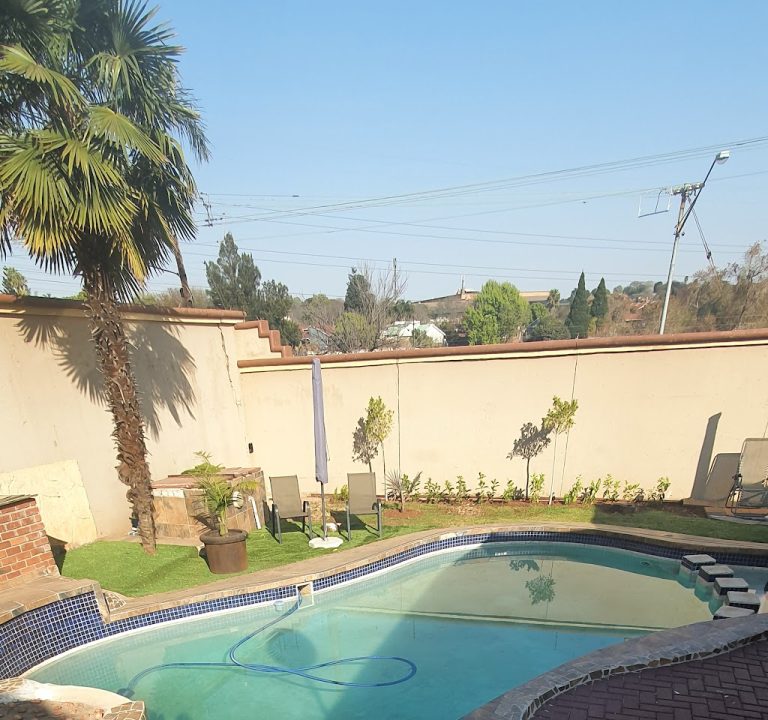
If you are weighing options for a stay in Pretoria, consider a guesthouse or boutique hotel that blends comfort with a sense of place. A typical choice might be a well‑appointed guesthouse in a quiet suburb such as Monument Park, affectionately known for its accessibility and local charm, offering an overnight base with easy access to main roads and transport links. For a broader stay, a modern hotel in a central district can provide straightforward access to the city’s key sights and business amenities while allowing you to unwind in a stylish setting after a day of exploration.
For planning inspiration and practical tips, useful resources include official Pretoria travel information and regional tourism sites. These can help you identify suggested itineraries, seasonal events and reliable transport options to tailor a stay that fits your pace and interests. Visit the official tourism pages for Pretoria and Gauteng to start building your itinerary and to discover what the city has to offer during your dates.