Accommodation and attractions in Pretoria, Gauteng
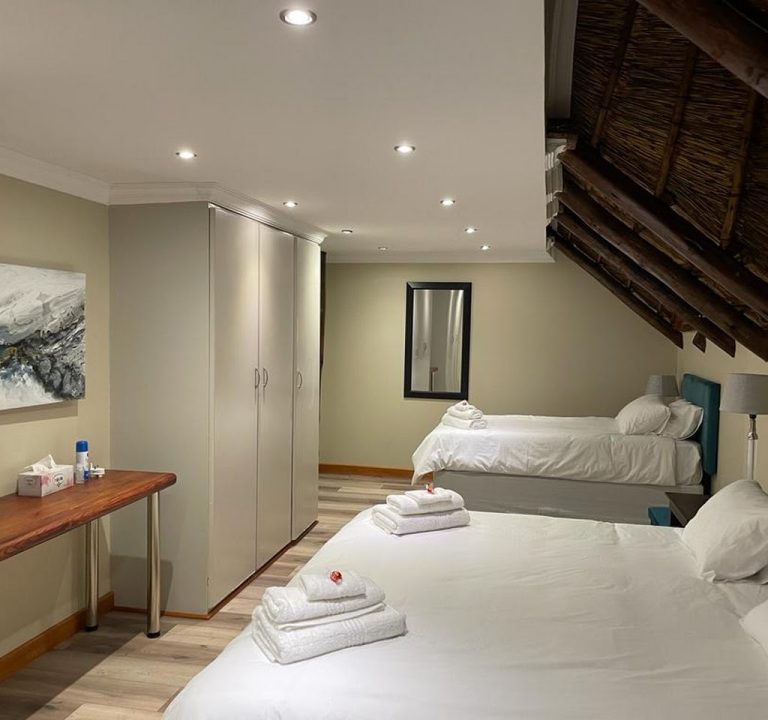
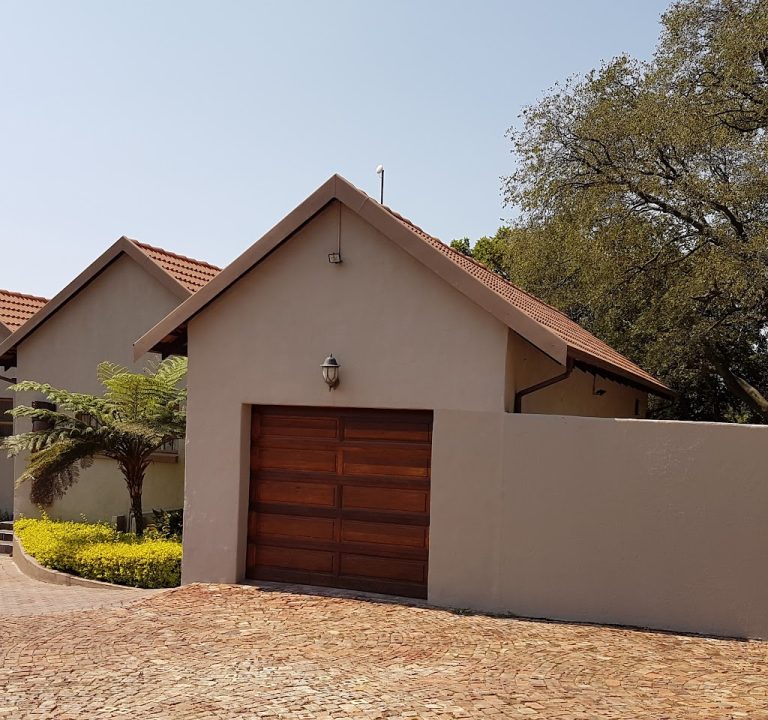
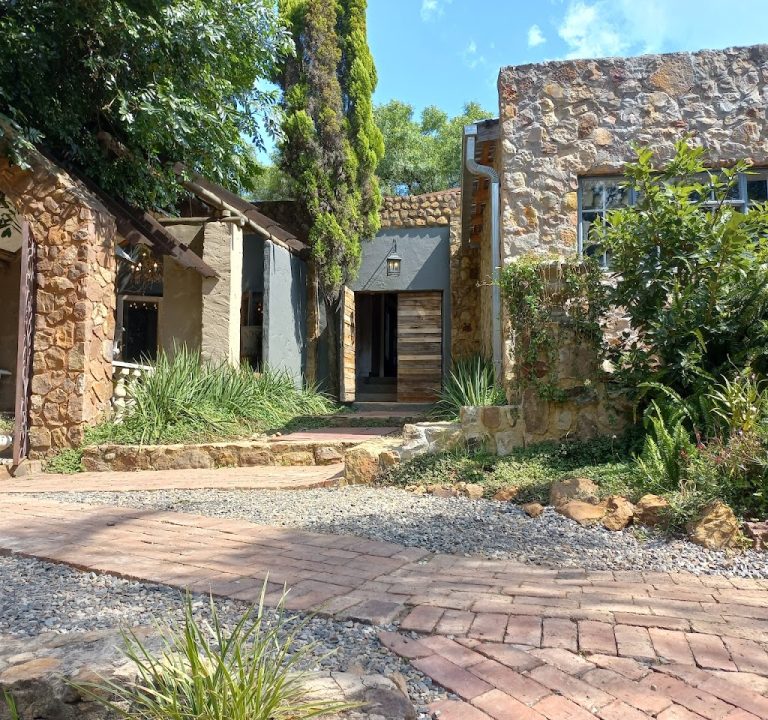
Pretoria, the administrative capital of South Africa, combines grand greenery with a warm, laid‑back city atmosphere. When planning a stay, most visitors look for a comfortable base from which to explore the city and its surroundings. Options range from guest houses and boutique B&Bs to polished hotels in buzzy neighbourhoods. A renowned example is Monte De Dios, a guest house that tends to appeal to travellers seeking a peaceful, well‑located option with easy access to central sights and wider Gauteng.
Areas to consider when choosing where to stay include central and leafy inner suburbs such as Hatfield, Brooklyn, and Menlo, which offer a mix of student energy, cafes, and easy transit links. For a more residential feel with embassies and green spaces, Waterkloof and Groenkloof provide quieter avenues and a sense of space. For visitors who want a short hop to museums and government buildings, the central precincts around the Union Buildings and Union Square offer proximity to major attractions, while the eastern suburbs can be a short drive to nature reserves and scenic viewpoints.
Typical amenities to look for in accommodation include reliable Wi‑Fi, private ensuite bathrooms, and secure on‑site parking. Many guest houses and boutique stays in Pretoria emphasise a personalised experience, with welcoming common areas, well‑equipped kitchens or breakfast options, and hosts who can share practical tips for local transport and day trips. Some properties may offer outdoor spaces, a pool, or garden areas ideal for a relaxing afternoon after a day of sightseeing. It’s worth checking if the breakfast is continental, full‑English, or tailored to South African tastes, and whether late check‑in or flexible checkout is available if you plan long days out.
Transport in Pretoria is well supported by a network of roads and affordable options for getting around. If you are driving, ensure your accommodation has secure parking and easy access to main routes that connect to Johannesburg, the Cradle of Humankind, or the apartheid‑era sites beyond the city. For non‑drivers, Gautrain connections link Pretoria to Johannesburg and its airport corridor, while many guest houses offer shuttle services or guidance on reliable local taxis and ride‑hailing apps. When booking, verify proximity to major arterials, bus stops, or metro routes to minimise travel time between attractions and your base.
The best time to visit Pretoria is typically during the South African autumn and spring, when daytime temperatures are comfortable and evenings are mild. Winters are cool, and summers bring afternoon showers, so plan outdoor activities with a light rain option. Spring and autumn are also good for garden walks and outdoor markets, while summer can be lively with cultural events and festivals if your trip aligns with the calendar. If you are aiming to combine city sightseeing with a wider Gauteng itinerary, consider a stay that gives you quick access to both the capital precincts and the countryside surrounding the province.
When planning a stay, a few practical tips can help you make the most of your visit. Check for a guest house that offers short‑term flexibility, clear cancellation policies, and transparent pricing. Look for rooms with good natural light, a comfortable bed, and quiet factors such as soundproofing or location away from main roads. If you value breakfast, choose a property that emphasises fresh, locally sourced ingredients. For business or longer trips, ask about desk space, charging outlets, and high‑speed Wi‑Fi. Safety is a consideration for any visitor; choose accommodation that provides secure entry, well‑lit surroundings, and clear guidance on safe neighbourhoods and parking etiquette.
Beyond the staying options, Pretoria presents a range of experiences that suit diverse interests. Cultural museums and galleries offer insight into South Africa’s history and contemporary life, while parks and botanical spaces provide a respite from urban activity. For dining, Pretoria offers a spectrum from casual cafés to refined restaurants, where guests can sample diverse flavours and local ingredients in relaxed settings. There are also markets and street food zones where visitors can sample casual meals and craft goods. Planning a flexible itinerary—balancing indoor culture with outdoor strolls—allows for a well‑rounded visit that can be adjusted to the weather and pace of travel.
If you are organising a stay around specific interests, it is worth prioritising accommodation that aligns with those needs—whether proximity to university precincts, embassies, or green spaces. A well‑located guest house or boutique hotel can serve as a comfortable home base while you visit nearby attractions and enjoy Pretoria’s relaxed hospitality. For ideas on routes, places to stay, and practical planning, you can explore regional tourism sites and reputable travel guides that provide up‑to‑date, practical information and suggested itineraries. For further inspiration, reputable local portals often feature articles and listings that help visitors map a customised Pretoria experience: from gardens and monuments to dining districts and hidden courtyards.
- Monte De Dios and similar guest houses often highlight a personal, homely approach with approachable hosts and thoughtfully designed rooms.
- Look for properties that provide clear directions to major sights, assistance with transport planning, and recommendations for safe, convenient dining options.
- When booking, consider the balance between proximity to central attractions and the quiet of a comfortable residential setting.
For further information and planning tips, you can visit regional tourism pages at official sites or reputable travel portals. These resources typically offer practical guidance on itineraries, attractions, and dining options across Pretoria and the broader Gauteng province. More general planning guidance, along with maps and travel tips, can be found on dedicated tourism and city information websites.