Oudtshoorn: a guide to accommodation, attractions and dining in the Karoo heartland
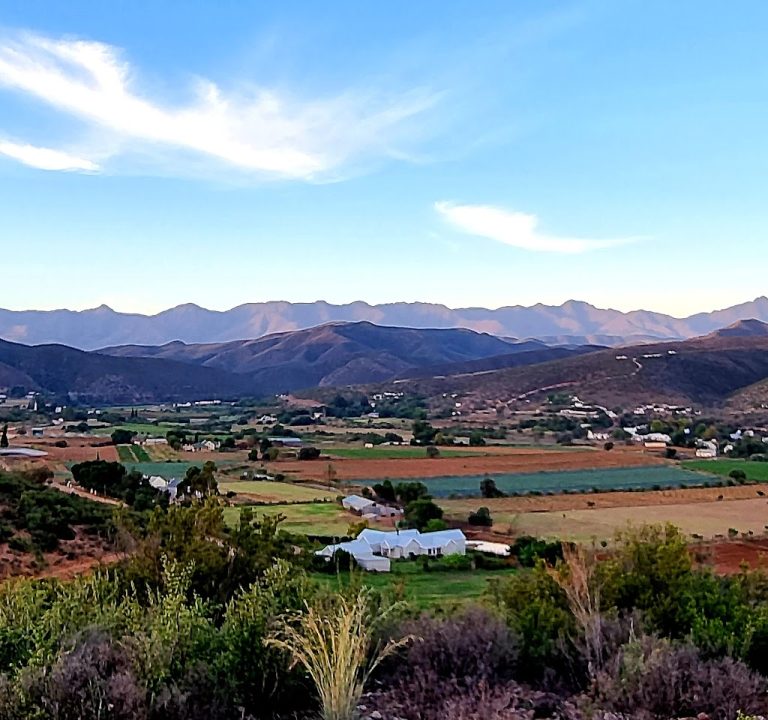
Oudtshoorn sits in the arid splendour of the Little Karoo, surrounded by mountains, farms and dusty streets lined with palm trees. It is known for its storied ostrich industry, dramatic landscapes and a warm South African welcome. When planning a stay, consider both the town’s central conveniences and the quieter rural routes nearby. A mix of guesthouses, B&Bs and self‑catering options can place you within easy reach of the major sights while still feeling relaxed and away from the crowds.
Where to stay matters as much as what to do. In Oudtshoorn centre you’ll find classic B&Bs and guesthouses that offer comfortable en‑suite rooms, hearty breakfasts and a friendly, local atmosphere. For a more rural experience, look to farms and guest farms on the outskirts, where you can wake to birdsong, wide skies and views of the escarpment or vineyards. If you’re travelling with family or a group, some properties provide family rooms, larger suites or self‑catering facilities, giving you flexibility for meals and downtime between excursions.
When choosing accommodation, think about a few practical touches. A reliable breakfast is a real asset in this region, where day trips often start early. Free parking, secure access, and wifi are handy for planning routes or catching up on photos after a day out. Check whether the property offers on‑site facilities such as a pool, a garden or shaded outdoor spaces for hot afternoons. For guests exploring by car, confirm easy access, sufficient turning space and convenient loading areas for luggage or shopping stops after sightseeing.
Transport in Oudtshoorn is most straightforward with a car, but there are alternatives. If you prefer not to drive, many accommodation providers can arrange guided tours to nearby attractions or help you join group outings. The town is small enough to explore on foot in the centre, yet a car is useful for venturing to the Cango Caves, the Swartberg Pass or rural ostrich farms. For longer day trips into the Klein Karoo or coastal stops along the Garden Route, having your own vehicle gives you maximum flexibility.
Best time to visit Oudtshoorn depends on what you seek. Spring (September to November) brings milder temperatures and blossoms, ideal for outdoor walks and mountain scenery. Autumn is also pleasant, with cooler evenings and comfortable days for exploring cave systems and valley routes. Summer can be warm, but a morning or late afternoon excursion helps you avoid the peak heat. Winter mornings may be chilly, yet clear days offer striking landscapes and crisp air for outdoor adventures. If you’re chasing specific wildlife or farming activities, consider the seasonal rhythms of the Karoo, and remember that some tours operate only at certain times of the year.
Top on the activities list are guided tours that reveal the region’s rich agricultural heritage and geological wonders. The area is famous for its caves, dramatic gorges and scenic routes through the surrounding mountains. In addition to natural sights, visitors often incorporate visits to ostrich farms and museums that tell the story of the town’s enduring link to these remarkable birds. For a broader experience, you can combine a day in Oudtshoorn with nearby landscapes, including the Swartberg or surrounding agro‑zones, where you may encounter local artisan markets and small‑batch producers.
Dining in Oudtshoorn ranges from rustic cafes to more refined restaurants, with menus featuring local produce, Karoo lamb and seasonal fruit. Many lodging establishments offer Bosveld‑style breakfasts or hearty farm dishes that showcase regional flavours. If you prefer to explore on your own terms, you’ll find casual eateries in town that prioritise freshness and simplicity, as well as bakeries and buffet options for a quick, satisfying meal between activities. For special occasions, a few venues provide intimate dining experiences with a focus on the region’s produce and traditional cooking methods.
Accommodation types to consider include:
- Bed and breakfast homes with individual rooms and a shared breakfast area
- Guest houses offering en‑suite rooms, parking and communal lounges
- Farm stays or guest farms for countryside ambience and generous farm breakfasts
- Self‑catering cottages or apartments for flexibility with meals
Practical planning tips for a smooth stay:
- Book in advance during peak seasons and school holidays to secure preferred locations and room types
- Ask about breakfast times and whether early starts can be arranged for long day trips
- Check proximity to key sights and whether transport or guided tours are offered by the property
- Confirm facilities such as air‑conditioning, heating, wifi, parking and pet policies if you travel with animals
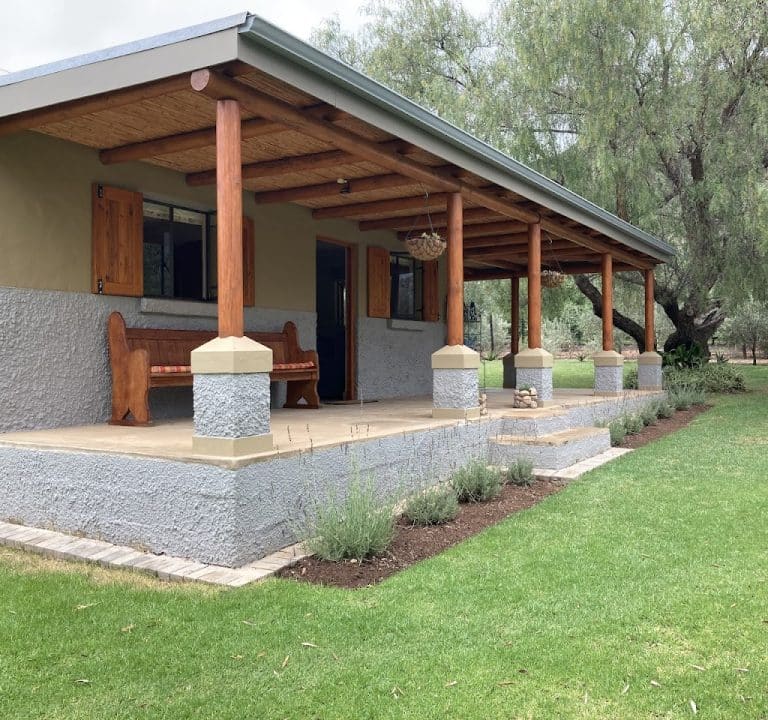
- Look for properties with outdoor spaces or verandas to enjoy the evening air and views
A practical starting point for planning your trip is to map out the main sights you want to visit, then choose a base that minimises daily driving while keeping you close to the town’s conveniences. A well‑located B&B or guest farm can strike the balance between easy access to restaurants, markets and information centres, and the quiet, scenic backdrop that makes a Karoo stay memorable. For more information, you can browse official tourism pages or city guides to help you plan itineraries, routes and day trips that suit your pace and interests.
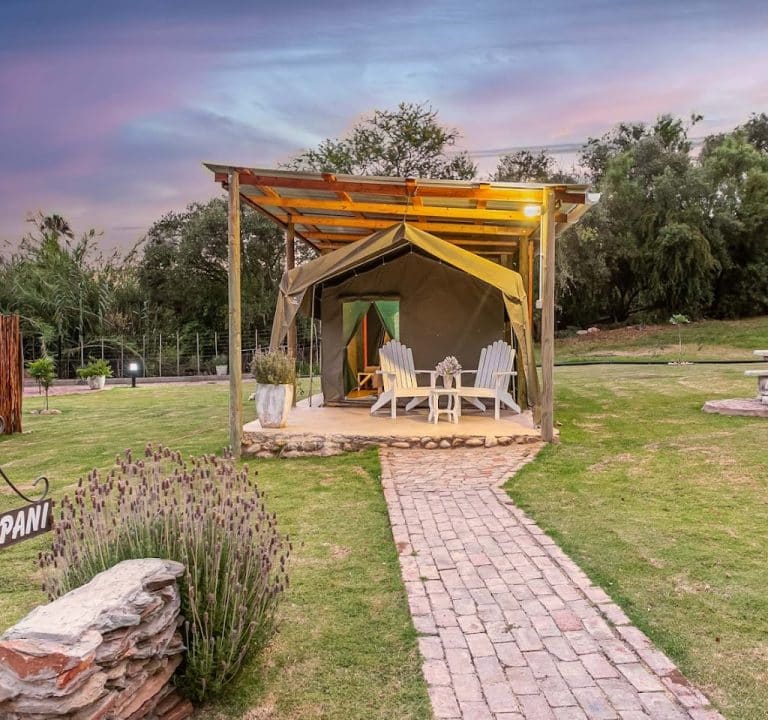
Montana Guest Farm, a well‑situated example of a bed and breakfast option, offers a taste of farm life in Oudtshoorn with comfortable guest accommodation and a welcoming atmosphere. While staying here or at a similar property, you’ll have a convenient base from which to explore the town’s highlights and enjoy the surrounding landscape during your visit to the Western Cape.