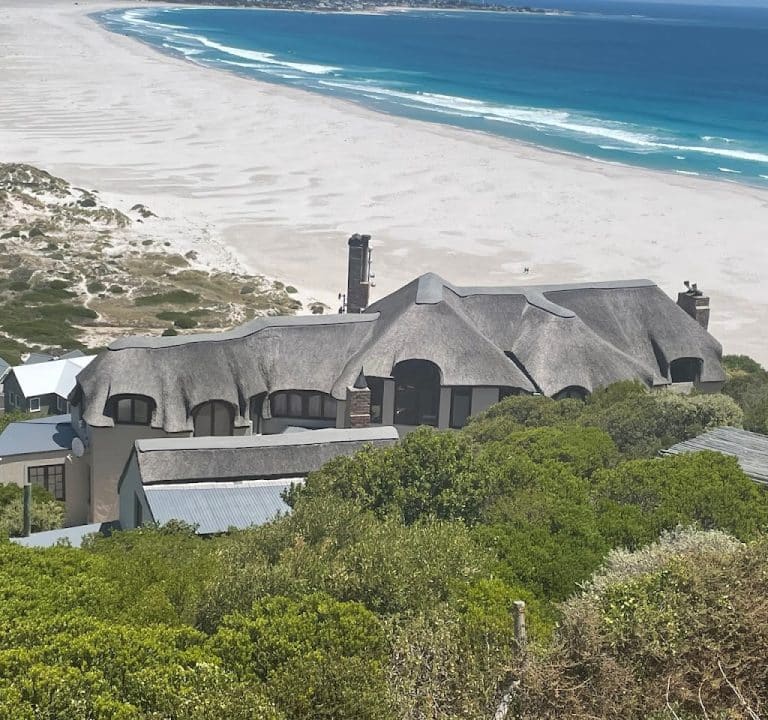
Monkey Valley Resort is a Hotels establishment in Cape Town, Western Cape, South Africa
About Monkey Valley Resort, Cape Town
Nestled within a magical Milkwood forest at the foot of Chapman’s Peak near Noordhoek, Monkey Valley Resort sits with an unrivalled view of Noordhoek beach and the surrounding nature reserve. The property is shaped by a sustainable, environmentally friendly ethos aimed at preserving the area’s natural beauty, while offering guests a retreat that is both tranquil and visually stunning.
What makes Monkey Valley truly distinctive is its setting: a prime coastal forest reserve on three sides, with direct access to an eight-kilometre stretch of unspoilt beach. The resort overlooks the sea and the Chapman’s Peak mountain, rewarding visitors with ever-changing panoramas as the weather shifts. The combination of sea, forest, and rugged mountain scenery makes it an appealing base for travellers seeking both relaxation and exploration in one of Cape Town’s most scenic corners.
Facilities at Monkey Valley reflect a purpose-built, community-minded resort that caters to a diverse range of visitors. The on-site dining is anchored by Thorfynns Restaurant, described as candlelit with fairy lights and winter fires, offering a largely organic and free-range menu. A treetop pub provides a relaxed space to unwind, complemented by a herbal sauna set among the trees. Two swimming pools overlook the sea, while wellness services such as massages, aromatherapy, reflexology, and body stress release can be arranged in the comfort of guest rooms through local therapists.
For those planning events or longer stays, Monkey Valley presents dedicated spaces for conferences and gatherings. The Tree Tops conference venue offers a dramatic, sea-view backdrop, supported by smaller venues for supplementary sessions. The resort also hosts a range of experiential add-ons, including an on-site drumming experience that serves as an energising icebreaker, designed to foster collaboration and group cohesion in a relaxed, natural setting.
Accommodations extend from self-contained, thatched luxury cottages to sea and mountain-view bed-and-breakfast rooms. The property emphasises comfort with features such as en-suite facilities, fireplaces, and private entrances in many units. A substantial number of rooms and cottages provide access to garden, forest, or sea views, with options that suit a variety of trip types—from intimate getaways to family stays and corporate retreats.
Monkey Valley is also a family-friendly destination, offering a playground and a range of outdoor activities designed to engage children of all ages. The natural surrounds contribute to a peaceful environment that can be conducive to focused meetings or team building, while still delivering opportunities for play and exploration along the coastline and forest trails.
Nearby highlights extend beyond the resort’s own grounds. The coastline affords direct beach access, where beach paths lead to wide, sandy shores and lagoons. Chapman’s Peak Drive sits on the doorstep for dramatic coastal scenery, driving adventures, and picnic stops. Within short reach are Hout Bay’s harbour, Clovelly and Westlake Golf Clubs, and the World of Birds in nearby Hout Bay. The broader Cape Town area adds cultural and natural attractions, from iconic beaches and nature reserves to renowned botanical gardens and mountain routes just a drive away.
For those considering where to stay for a visit to the Cape Peninsula, Monkey Valley positions itself as a gateway to both outdoor recreation and relaxed, stylish accommodation. The mix of self-catering cottages and B&B rooms provides flexibility for couples, families, and corporate groups alike, while the on-site facilities ensure convenience without compromising the sense of immersion in nature.
Booking and planning notes highlight the resort’s ability to arrange a variety of experiences, including seafood and meat barbecues with ocean views, themed evenings, beach-access activities, and guided adventures such as horse riding on the beach and shipwreck treks. For more formal needs, the conference and weddings facilities offer scalable options, with dedicated staff and tailored services designed to enhance events held within Monkey Valley’s distinctive environment.
Booking is handled through the resort’s website, which also provides access to information about accommodation types, restaurant offerings, and on-site amenities. Visitors can explore the full range of options—from Executive Garden Facing and Executive Sea Facing B&B suites to three-bedroom cottages—each with its own character and connections to the surrounding scenery. The site also hosts practical details about dining hours, Wi-Fi availability, and the overall experience of staying in a nature-forward, coastal retreat.
- Direct access to an 8 km beach with lagoons and wildlife observations
- Forest and sea views from multiple accommodation options
- On-site dining, spa treatments, and treetop experiences
- Conference and wedding facilities set in a rustic, coastal atmosphere
- Family-friendly facilities and a range of outdoor activities nearby
For those seeking a unique stay that blends nature, cuisine, and coastal adventure, Monkey Valley Resort offers a distinct Cape Town experience that is both immersive and approachable. Details, availability, and bookings are accessible via the resort’s official website.
Cape Town
Western Cape
7985
South Africa


Accommodating Cape Town: where to stay, what to expect, and how to plan your visit
Cape Town sits on a dramatic crescent of coastline framed by Table Mountain and the Atlantic surf, offering a wide range of places to rest your head after a day of exploring. When planning a stay, consider the neighbourhoods that best match your sensibility—whether you crave lush coastal views, easy access to beaches, or to be within easy reach of the city’s cultural riches. From rustic forest retreats to stylish boutique lodges, the Western Cape’s accommodation scene is as varied as its scenery.
One highly ribbed soundbite in favour of staying near the Atlantic Seaboard or the Atlantic coast is the potential for day trips to iconic spots such as Chapman’s Peak Drive, Hout Bay, and Noordhoek. For a more immersive nature escape, a retreat set amidst milkwood forests and seaside reserves offers a slower pace, direct access to beaches, and the chance to wake up to ocean horizons. When booking, think about how much of your stay you want to spend on-site versus venturing out to attractions and restaurants. In places like Monkey Valley Resort, guests can enjoy self-contained cottages, en-suite rooms, and rustic dining, all while staying connected to nature and the sea.
Typical amenities to look for include reliable Wi‑Fi, private entrances or patios, fireplaces or heaters for cooler evenings, and on-site dining or easy access to seasonal cuisine. Self-catering options are popular in forest or coastal lodges, providing flexibility for families or travellers who enjoy cooking with local ingredients. Many properties also offer wellness services, spa treatments, outdoor activities, or conference facilities, which can make a longer stay more convenient or memorable. If you’re travelling with family or groups, consider whether the property provides child-friendly spaces, babysitting services, or guided activities that suit all ages.
Transport is another practical consideration. Cape Town’s layout makes it feasible to base yourself near the city while exploring coastal towns and nature reserves along the Atlantic seaboard. Look for properties with parking, easy access to main routes, and the option to arrange airport transfers or guided day trips. For visitors who prefer scenic routes, staying close to a coastal drive can turn every outing into a picture-perfect excursion, with harbour views, mountain scenery, and beaches just steps away.
Best time to visit Cape Town depends on your priorities. Summer (December to February) brings long days, calmer seas, and a lively city atmosphere, while autumn and spring (March to May and September to November) offer milder weather and quieter popular spots. Winter (June to August) is cooler and windier, but it can be ideal for those who seek fewer crowds and dramatic stormwatch scenery. For whale watchers or bird enthusiasts, timing your stay to align with wildlife seasons can enhance experiences along the coast and in nearby reserves.
Practical planning tips to help you get the most from your trip:
- Book in advance for peak seasons, especially if you’re after unique, nature-forward properties with limited availability.
- Check access to beaches and environmental areas. Some retreats provide direct beach paths or guided outdoor activities that can form a big part of your stay.
- Ask about on-site dining options, locally sourced menus, and special dietary needs. Many places emphasise organic and free-range produce, paired with regional wines and coastal cuisine.
- Clarify what is included in self-catering cottages or suites, including kitchen facilities, laundry, and housekeeping frequency.
- Consider experiences that complement your accommodation—wildlife safaris, boat trips, hiking, or arranged beach activities can enrich a Cape Town stay.
Within Cape Town and its surrounding coastal belts there are ample experiences to pair with your accommodation. Scenic drives along Chapman’s Peak offer breathtaking vistas, while harbour towns and local markets provide a taste of Cape cuisine and crafts. Nature lovers benefit from botanical gardens and nature reserves on the doorstep of the city, and families can enjoy beach walks, gentle wildlife encounters, or kid-friendly playgrounds near lodging with outdoor space.
For those seeking a balance of comfort and adventure, an option such as Monkey Valley Resort showcases the appeal of staying in a natural setting without sacrificing service. Nestled in a milkwood forest by the sea, it provides self-contained cottages and B&B options, several dining venues with sea views, and access to a broad range of activities—from beach-based leisure to guided team experiences and weddings. While not the only choice in the region, it exemplifies how accommodation can be a gateway to enjoying the Western Cape’s landscapes, climate, and coastal culture.
When you’re booking, keep a flexible itinerary. Cape Town’s weather can be changeable, and coastal conditions can shift quickly. A well-planned stay blends comfortable rooms with authentic places to eat, relax, and explore. Websites and official tourism resources can help you compare areas, read real guest feedback, and confirm what’s included in rates. And, as you map your days, remember that the best memories often come from spontaneous discoveries—the quiet beaches at dawn, a hillside lookout at sunset, or a small family-run café serving local dishes with a warm welcome.
For ideas and inspiration, you might begin with scheduled stays at places like Monkey Valley Resort, exploring the forest, sea outlooks, and the nearby beaches, while planning day trips to the surrounding sights and towns. Visit the property’s site for more information and booking options, and weave in a few iconic Cape Town experiences to create a balanced, memorable itinerary.
Sorry, no records were found. Please adjust your search criteria and try again.
Sorry, unable to load the Maps API.
Why Claim Your Listing?
Claiming your listing on the B&B Finder directory website is a valuable opportunity for business owners. Here are five reasons why you should consider claiming your listings:
Control Over Business Information: By claiming their listing, business owners can ensure that all the information presented is accurate and up-to-date. This includes details such as contact information, address, pricing, and available services or amenities. Accurate information helps prevent customer confusion and improves overall satisfaction.
Enhance the Listing: Once a listing is claimed, owners can enhance it by adding more comprehensive information and rich media, like high-quality photos and videos. These additions can make the listing more attractive and engaging to potential customers, thereby increasing the likelihood of bookings.
Marketing Opportunities: Claiming a listing can also open up additional marketing opportunities. Owners may be able to participate in promotional campaigns, special offers, and other marketing activities organized by the directory. This can increase visibility and attract more customers to the business.