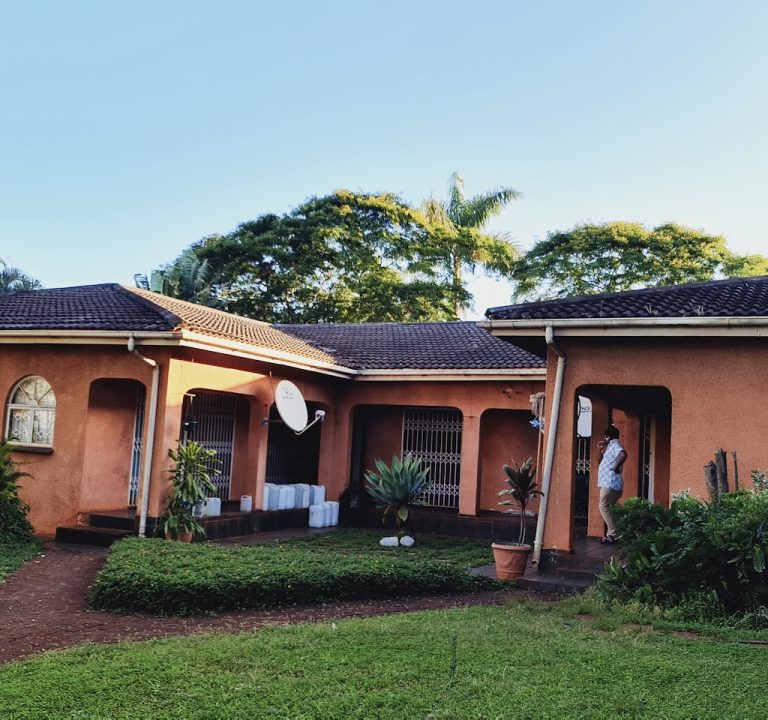
Hluhluwe, KwaZulu-Natal: where to stay, what to do and how to plan your visit
Hluhluwe in KwaZulu-Natal sits at the gateway to one of South Africa’s most celebrated conservation areas, the Hluhluwe-Imfolozi Park. Whether you are chasing classic big‑game sightings, seeking quiet comfort in a bush setting, or looking for a family‑friendly base from which to explore the region, Hluhluwe offers a range of accommodation that can suit most itineraries. The town itself provides essential services and a few inviting eateries, while the surrounding reserves deliver the wildlife encounters and landscapes that draw travellers to this corner of Zululand.
Accommodation options in Hluhluwe span from intimate guesthouses and country lodges to mid‑range hotels and self‑catering retreats. A stay near the town centre is convenient for access to shops, groceries and当地 transport links, whereas stays closer to the park gates or within private reserves can offer easier morning game drives and tidier back‑of‑house logistics for early starts. An example property like Moni’s Accommodation Hluhluwe, which sits in a more relaxed setting, can provide a comfortable base with straightforward access to both the reserve and town‑centre amenities. When choosing where to stay, consider what matters most for your days: proximity to the park, the pace of the property, or the availability of guided activities right on site.
What to look for when booking is as important as what you plan to do. Start with location: a short drive to the Hluhluwe‑Imfolozi Park entrance can save valuable morning hours on game drives, while a more secluded lodge might offer greater privacy and wildlife‑watching from a deck. Check the typical amenities: air‑conditioning or fans for warm KwaZulu‑Natal evenings, reliable hot water, en‑suite bathrooms, and the presence of hot meals or self‑catering options. Ask about guided activities (morning and late‑afternoon game drives, bush walks, birdwatching tours) and whether these are included or charged separately. If you are reliant on connectivity, confirm the Wi‑Fi quality and whether power is stable or backed by generators, especially in the dry season when outages can occur. Accessibility matters too, particularly for guests with mobility needs or families travelling with children.
Think about the guest experience in practical terms: are meals included or available on site, and do chefs offer anything suitable for dietary restrictions? Are there family‑friendly spaces, quiet corners for adults, or on‑site activities such as nature guides or cultural experiences? For those keen on a sustainable stay, inquire about local employment, community engagement, and conservation practices. A well‑run property will be transparent about its environmental footprint and its role in the area’s tourism economy.
Transport planning is a crucial part of a Hluhluwe itinerary. The region is best explored by car, which gives you the freedom to set your own pace and to reach park gates at times that suit sunrise and sunset wildlife watching. If you prefer not to drive, some lodges arrange transfers or guided day trips. Fly‑in options typically involve connecting to Richards Bay or King Shaka International, followed by a road transfer to Hluhluwe. It is wise to confirm the transfer times, what is included in the rate, and whether luggage restrictions apply for any road transfers you negotiate.
The best time to visit Hluhluwe for wildlife viewing is usually during the drier winter months, when animals tend to concentrate around permanent water sources and vegetation is thinner. However, the area is rewarding year‑round, offering lush landscapes after rain and birds in breeding plumage in the wet season. Pack for subtropical conditions: light clothing by day, warmer layers for cooler evenings, and a good hat, sunscreen and insect repellent. Remember to respect the park rules, stay on designated roads and respect wildlife distances. In peak high season, plan ahead for lodging and park access, and consider midweek stays for more space and potentially better rates.
As for what to do beyond the park, Hluhluwe offers access to nature walks, birdwatching, and bush experiences that showcase the region’s biodiversity. Within easy reach are opportunities to learn about local culture and crafts, take guided photography walks, and enjoy scenic drives along routes that showcase Zululand’s landscapes. Dining in the area ranges from relaxed guesthouse eateries to more traditional local restaurants that highlight seafood and Zulu flavours. At many properties, breakfast can be a highlight, with options that let you prepare for early drives and long days in the bush. When planning meals, consider whether you’ll rely on self‑catering, dine on site, or venture into Hluhluwe town for a wider choice of venues.
- Location considerations: proximity to the park gates vs. secluded bush settings
- Key amenities: air‑con or fans, hot water, reliable Wi‑Fi, on‑site dining
- Guided experiences: included or extra charges for game drives, bush walks, birding
- Transport: self‑drive confidence, transfers offered by the property, accessibility
- Best time to visit: dry winter months for wildlife visibility, year‑round for scenery
- Practical tips: power backups, malaria awareness, park rules and safety
Whether you are seeking a restful retreat with wildlife on the doorstep, or a more action‑packed itinerary with early mornings in the reserve and relaxed evenings back at your lodge, Hluhluwe offers a hospitable base in a remarkable corner of KwaZulu‑Natal. With careful planning—selecting a suitable area, confirming amenities and activities, and organising transport in advance—you can enjoy a memorable stay that blends comfortable accommodation with the region’s iconic landscapes and wildlife experiences. For further details and ideas, explore the websites of local lodges and guesthouses to find a match that fits your travel style and budget.