Accommodation and Experiences in Mokopane, Limpopo
Mokopane, tucked in the Limpopo Province, offers a compact mix of comfortable hotels, guesthouses and lodges that suit travellers seeking a relaxed base for exploring northern South Africa. The town acts as a practical hub for long or short stays, with easy access to nature reserves, wildlife encounters and cultural experiences in the surrounding countryside. When planning a stay, consider the central commercial area for convenience, while nearby lodges and guesthouses can provide a quieter retreat with more space and greenery.
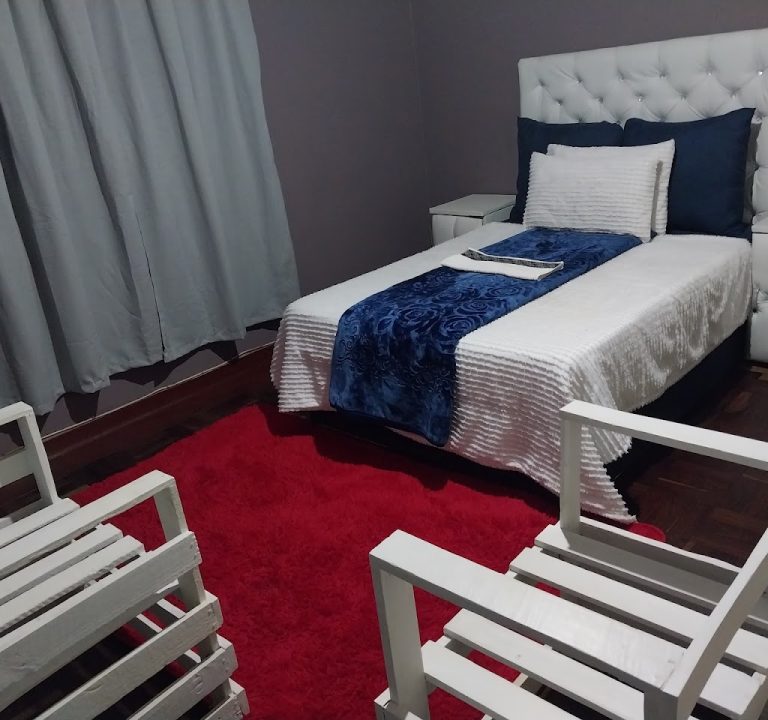
When selecting a place to stay, think about the rhythm of your visit. If you want quick access to restaurants and markets, a property near the town centre is convenient. For longer stays or a visual break from the road, look for lodges or boutique guesthouses on the outskirts or along the N1 corridor where you can enjoy larger plots, gardens and quiet verandahs. Many Mokopane properties offer a mix of en-suite rooms and family units, with options for self-catering or light room service. Typical amenities include free Wi‑Fi, secure parking, swimming pools, pet-friendly policies where offered, and on-site dining options or easy access to nearby eateries.
Practical planning tips to keep in mind:
- Check the distance from your accommodation to the places you want to visit, including wildlife areas, markets or restaurants, to minimise transfer times.
- Confirm the availability of essential amenities such as air conditioning for the hot summer months and reliable hot water for early starts or late returns.
- Look for flexible booking policies and clear information about check-in procedures, especially if you are arriving late from a day of sightseeing.
- Consider whether you prefer a self-catering unit, a hotel-style room, or a lodge with dinner options; this will shape your dining plans and budget.
- Ask about guided activities or transfers arranged by the property, particularly if you are headed to rural reserves or day trips to natural attractions.
For transport, a private car is the most convenient way to explore Mokopane and its surroundings, offering the freedom to schedule breaks or detours to viewpoints and local markets. Some hotels and lodges provide shuttle services to nearby attractions or the town centre; if not, rental cars or rideshares are practical options. If you are driving, plan for rural roads and occasional gravel sections outside the town centre, especially when heading toward nature reserves or scenic routes.
The best time to visit Mokopane depends on what you want from your trip. The dry winter months (typically May to August) are popular for comfortable daytime temperatures and clearer wildlife sightings in surrounding reserves. Summer (roughly November to March) can be hot and rainfall varies, bringing lush landscapes and vibrant birdlife, but expect higher humidity and the potential for short, intense showers. Spring and autumn often offer a pleasant balance of mild temperatures and manageable crowds, making it a good period for outdoor activities and walking tours.
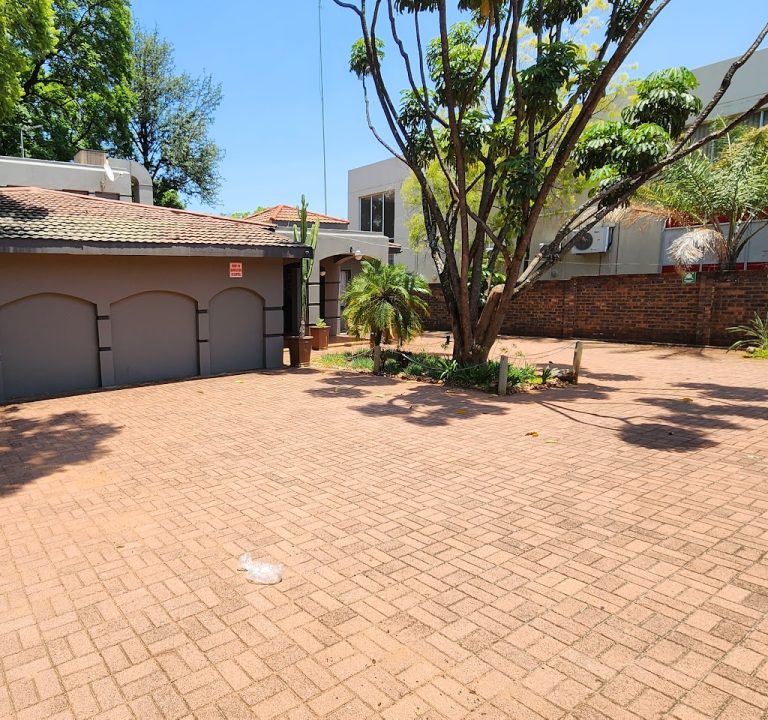
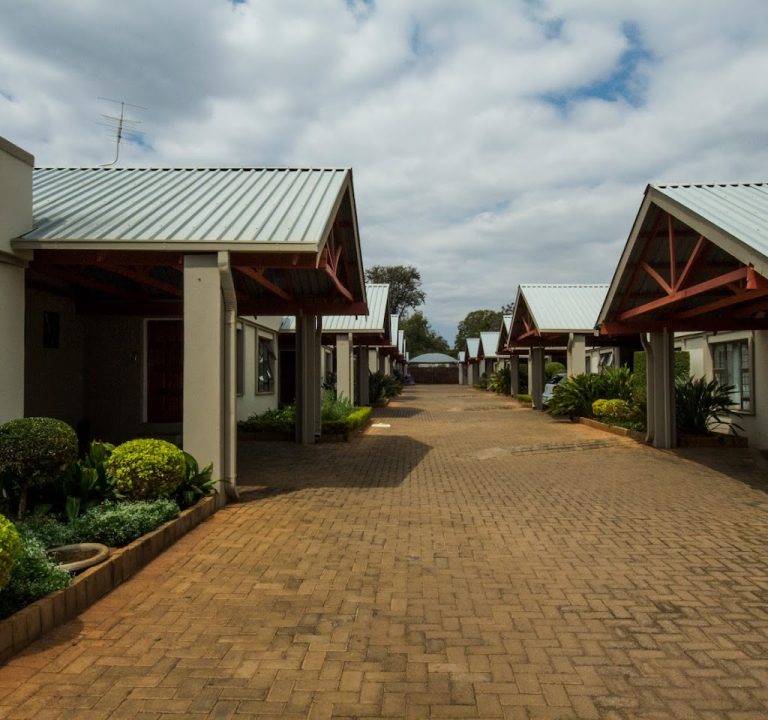
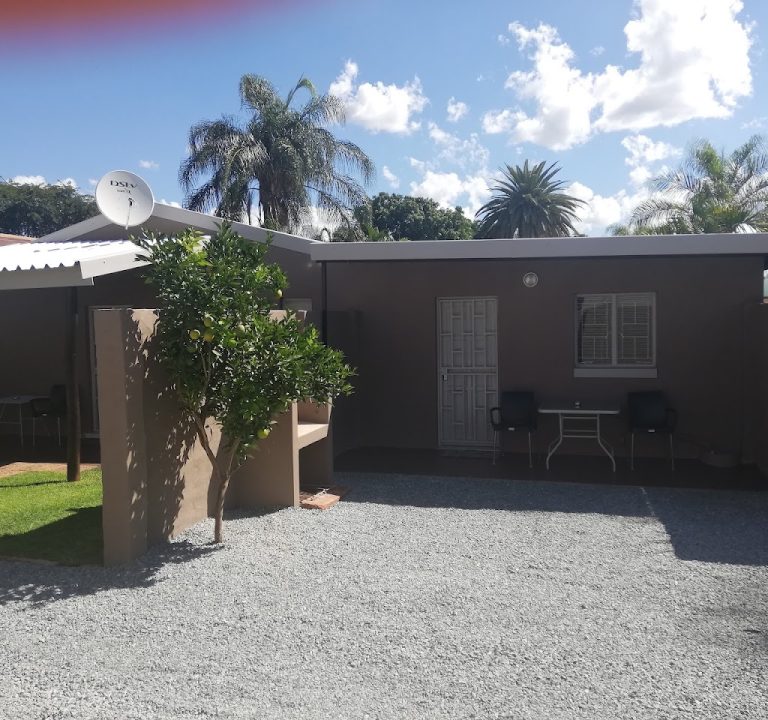
Accommodation in Mokopane ranges from mid‑range hotels to intimate guesthouses and purpose‑built lodges. A well‑placed base can blend comfortable rooms with access to outdoor spaces, where guests can sit with a drink and reflect on the countryside. When booking, read guest reviews to gauge the warmth of service, the attentiveness and knowledge of staff, and the condition of rooms and communal areas. Consider properties that emphasise a sense of place, with décor inspired by the region and easy access to nature trails or gardens that feel restful after a day on the road.
Attractions and experiences in and around Mokopane are typically presented as a gateway to nature and culture. Expect opportunities to explore nearby wildlife reserves or conservation areas, nature trails, and bird-watching spots. Visitors often enjoy relaxed day trips to see landscape viewpoints, riverbanks, or wetlands, where the focus is on gentle exploration rather than high-intensity activities. Some guests appreciate cultural experiences offered by local communities or guided drives that explain the region’s heritage and natural environment in approachable terms. When planning activities, balance outdoor time with restful breaks at your accommodation to keep energy levels steady.
Dining in Mokopane can range from hotel‑run cafés to casual bistros and local eateries serving regional flavours. In most cases, you’ll find modern cafes serving hearty breakfasts and light lunches, complemented by traditional dishes in more rustic venues. If you’re staying with a lodge or guesthouse, you may enjoy onsite meals or arranged dinner options that showcase seasonal ingredients. For longer stays, exploring a handful of local spots for a relaxed dinner can be a pleasant way to wind down after a day’s activities.
To help you plan, consider a sample two- to three-day stay that balances rest with light sightseeing. Day one could include a relaxed arrival, a stroll around the town centre, and a welcome dinner at your accommodation or a nearby restaurant. Day two might feature a morning nature walk or short excursion to a nearby reserves area, followed by a late afternoon by the pool or a verandah as the sun sets. Day three could be reserved for a longer scenic drive or a cultural experience before departing. Always check the latest local arrangements, seasonal closures, and any booking guidelines on the property’s official website or tourism pages before you travel.