Staying in Cape Town: where to base your visit and what to do while you’re there
Cape Town, set against the backdrop of the Atlantic and the iconic Table Mountain, offers a diverse mixture of neighbourhoods, architecture and coastline. When planning a stay, consider how you want to balance city culture, natural scenery and easy access to the coast. A well-chosen base can cut travel time and maximise your experience, whether you are drawn to colonial streets, modern waterfronts or the rolling winelands nearby.
One place to consider is a guest house that combines a welcoming atmosphere with easy access to major sights. A property such as Mo square capital and guest house can offer a compact, well-located option within a tranquil setting. When choosing accommodation, look for a host who can offer practical local tips, a clean and comfortable room, and a shared or private area that helps you relax after days out. Pay attention to how the space is laid out, whether there are convenient communal spaces for planning your next day, and if there is easy access to public transport or parking if you are driving.
Areas to consider, depending on your priorities, include the city bowl and central districts for quick access to museums, cafés and historic architecture; the Atlantic Seaboard for sea views and a lively dining scene; the southern suburbs and Constantia for green spaces and wine routes; and the Mount Nelson and gardens area for leafy streets and close proximity to Table Mountain’s lower trails. The Cape Town metropolitan area is well connected by bus services, rail corridors and ride-hailing apps, with longer trips often efficient by road. If you prefer a village feel close to the water, look for accommodation near the V&A Waterfront or in Camps Bay, while frequent Mini-coach shuttles and affordable taxis can help you navigate to further afield sights.
What to look for when booking a stay matters as much as the scenery itself. Look for reliable Wi-Fi, ample storage, a comfortable bed, good ventilation or air conditioning, and a well-appointed bathroom. A generous breakfast or access to a simple kitchen can be a real aid for early starts. If you plan to explore beyond the immediate neighbourhood, ask about tips on the best routes to popular sights, safe walking streets after dark, and whether there are on-site parking arrangements or nearby paid parking. Consider how the accommodation handles safety, from door codes to secure entry, and whether there is 24-hour reception or a live-in host who can assist with emergencies or local directions.
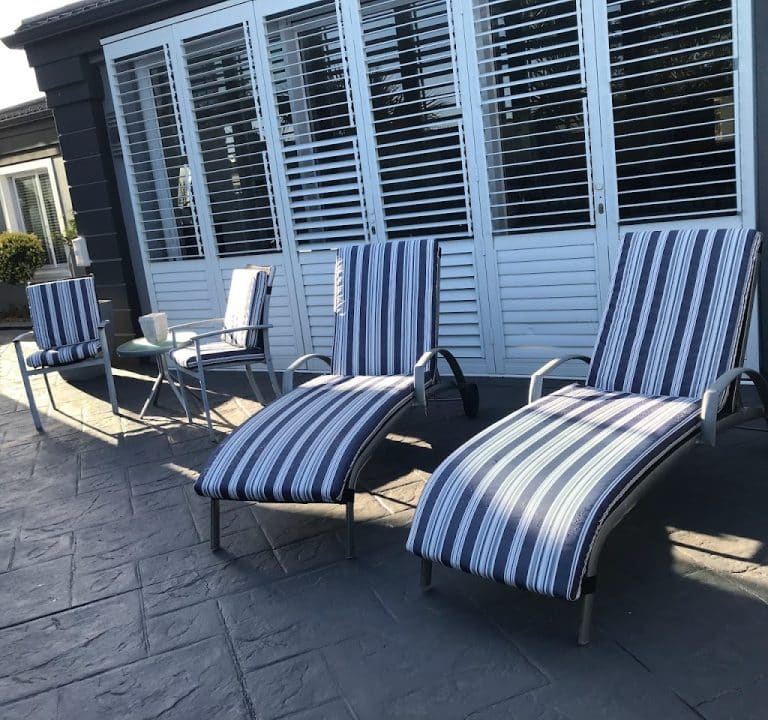
Typical amenities that travellers value include a private or en-suite bathroom, a well-equipped kitchenette or tea and coffee facilities, a comfortable communal lounge, and outdoor seating with views. In Cape Town, some properties offer helpers who can arrange guided hikes, wine tastings, or customised city tours; if this is important to you, confirm what experiences can be arranged beforehand. For family trips, you may want room layouts that accommodate children, strong housekeeping, and a quiet neighbourhood away from late-night street noise. If you are travelling with a rental car, check whether the property provides convenient on-site parking or easy street parking options, and whether parking is included in the rate or charged separately.
Best time to visit Cape Town depends on what you want from the city. The late summer to autumn period (February to April) generally offers pleasant weather, longer daylight hours, and a calmer tourist flow compared with peak summer. Spring (September to November) brings wildflowers, milder temperatures and lower humidity. Winter can be cooler and rainier, but many cultural events and indoor venues remain lively, while the rugged beauty of the coastline can still be dramatic. If you plan a winelands day trip, consider weather windows in the Stellenbosch and Constantia areas, where harvests and seasonal dining align with the cool-season climate.
Practical tips for a smooth stay in Cape Town:
- Plan around daylight hours for outdoor activities and scenic viewpoints, which are most enjoyable with good visibility.
- Pack layers to accommodate rapid changes in temperature between the sea breeze and higher elevations on Table Mountain or surrounding hills.
- Book table reservations at popular restaurants in advance, especially during peak tourist periods or weekends.
- Use licensed transport options and be mindful of safety in busy street areas, particularly after dark in unfamiliar neighbourhoods.
- Carry a small amount of local currency for markets and tips, while most places accept cards and contactless payments.
Major attractions can be approached in a flexible way—you might begin with a cable-car ascent of Table Mountain (weather permitting) for uninterrupted views, followed by a walk through the Company’s Garden and the historic Parliament district. The harbour area and V&A Waterfront offer a blend of retail, cuisine and scenic walks, with museums and galleries nearby. If culture and history are your focus, guided tours that explain Cape Town’s diverse heritage can be an excellent way to learn about the city’s past and its present-day communities. For nature lovers, scenic beaches, coastal trails, and short hikes in Table Mountain National Park deliver memorable panoramas without requiring strenuous climbs.
Restaurants in Cape Town range from casual bistros to elegant dining rooms, reflecting the city’s multicultural influences. In broad terms, you will find vibrant seafood-focused spots near the coast, modern eateries in the city centre, and farm-to-table venues in the surrounding suburbs. Guests can expect high-quality produce, careful sourcing and inventive flavour combinations, with menus often rotated to reflect seasonal ingredients. When planning meals, consider making reservations for evenings in peak seasons and allow time for relaxed dining, given the generous service style often found in notable Cape Town venues.
In sum, choosing the right base in Cape Town is about aligning your stay with how you wish to experience the city. Whether you prioritise proximity to the waterfront, access to Table Mountain, or a quieter residential vibe, a well-chosen guest house or boutique hotel can help you feel situated within Cape Town’s rich tapestry of sights, experiences and flavours. Plan your days with flexible timing, capture the best of the city’s scenery, and enjoy the warmth of South African hospitality along with memorable meals and discoveries.