Johannesburg: where to stay, what to do and how to plan your visit
Johannesburg, or Jo’burg/Johannes as locals often say, is a city of contrasts, from leafy suburbs to vibrant urban precincts. Planning a stay here means balancing secure, comfortable accommodation with easy access to culture, dining and day trips. A well chosen base can cut travel time and help you feel at home as you explore Gauteng’s bustling capital.
For travellers seeking guesthouse-style stays, boutique hotels and modern lodges, several neighbourhoods offer distinct atmospheres. In central districts you’ll find guest houses that combine character with practical amenities such as friendly service, reliable wifi and on-site parking. Suburban pockets like Rosebank, Sandton and Melville offer easy access to malls, galleries and cafés, while inner-city areas such as Braamfontein and Maboneng provide a more contemporary, walkable experience with street markets and creative spaces. If you prefer a quieter retreat, northern suburbs typically present larger rooms, tranquil gardens and secure parking, with a short drive to the city’s major attractions.
When choosing a place to stay, look for a few practical features. A generous breakfast option can start your days well, while free Wi‑Fi, reliable heating or air conditioning and flexible check-in are particularly valued for longer visits. Parking is convenient if you plan to hire a car or do day trips to surrounding towns. Access to a well-equipped kitchen or self-catering facilities is another plus for travellers who like to plan dinner at their own pace. For comfort, you may wish to prioritise guest houses or lodges with a homely common area, a secure entrance and visible security arrangements, especially if you will be out exploring late.
Public transport and getting around are important considerations. Johannesburg has a growing network of rail and bus services, with the Gautrain providing fast connections to Pretoria and OR Tambo International Airport. Within the city, ride‑hailing services and reputable taxi options are commonly used; many accommodation options also offer shuttle services or partnerships with local providers. If you intend to visit multiple neighbourhoods in a day, a base near a rail station or major road corridors can save time and reduce travel fatigue.
Best time to visit Johannesburg is influenced by the climate and events. Spring (September to November) and autumn (March to May) offer mild weather and pleasant days for outdoor sightseeing. Summer (December to February) brings warmth and occasional thunderstorms, which can be dramatic but refreshing; a light rain jacket or umbrella is handy. Winter (June to August) tends to be cooler, with crisp mornings and clear skies. Regardless of season, plan for afternoon thunder storms in the warmer months and keep hydrated during long outdoor explorations.
Attractions in and around Johannesburg span history, culture and family-friendly adventures. Within the city, you can expect museums and heritage sites that tell the story of the country’s recent past, dynamic art districts, and markets where local crafts and food mingle. Beyond the urban core, day trips to nearby townships, nature reserves or the cradle of modern South Africa offer a broader perspective on the region’s heritage and landscapes. Dining in Johannesburg mirrors its diversity, with options ranging from traditional South African fare to contemporary global cuisine, often set in stylish districts or in trendy micro-neighbourhoods that combine eateries with shops and galleries.
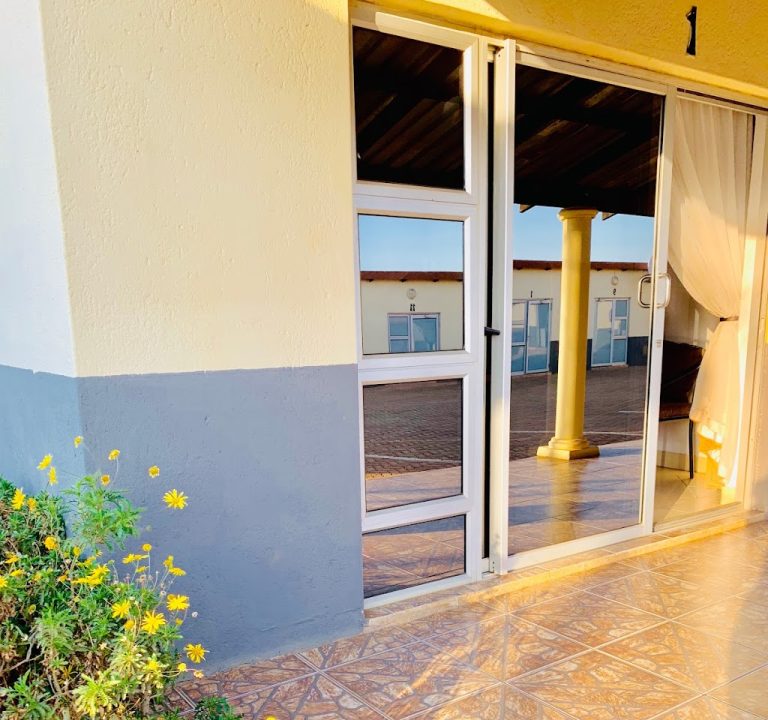
For a memorable stay, consider a guest house with a personal touch. A host who can share practical tips about neighbourhood safety, the best times to visit local sights, and nearby dining options can be invaluable. If you are exploring accommodation such as Mkholo Guest House, you may find a balance of comfortable rooms, courteous service and convenient access to central Johannesburg while maintaining a quieter, more residential feel. Always review recent guest reviews for notes on service, cleanliness, and any neighbourhood concerns, and check whether the property offers secure parking and on-site staff support.
What to pack and plan before you travel:
- Two to three outfits suitable for warm days and cooler evenings, plus a light layer for air‑conditioned interiors.
- Comfortable walking shoes for city strolls, markets and galleries.
- A lightweight rain jacket or compact umbrella for summer thunderstorms.
- A universal adaptor and a small secure bag or pouch for valuables when you are out and about.
- Printed or offline copies of your reservations and directions to the accommodation and major sights.
When planning your itinerary, balance longer museum days with lighter experiences in the late afternoons: a neighbourhood stroll, a café stop, or a sunset view from a skyline vantage point. Keep a flexible outlook, especially if you decide to explore unexpected markets, street art tours, or local dining scenes suggested by your host or lodging. While Johannesburg may feel vast, a well-chosen base can make it feel surprisingly approachable, letting you experience the city’s warmth, energy and variety without sacrificing comfort or security.
For more information on places to stay and options in the area, you can explore the area’s accommodation listings and the official pages of specific guest houses, including Mkholo Guest House, which provides a gateway to central Johannesburg while maintaining a residential atmosphere. Visit the linked page for those curious about its location and facilities.