Choosing the Right Stay and Making the Most of Cape Town, Western Cape
Cape Town offers a rich mix of scenery, culture and cuisine, making it a partner to any travel itinerary. When selecting accommodation, consider both the neighbourhood and the type of stay that suits your rhythm, whether you are seeking a serene base for day trips, a buzzing hub for nightlife, or easy access to iconic sights. From stylish guest houses to family-run BnBs and modern boutique hotels, there are options that balance comfort with a sense of place.
Areas to consider include the City Bowl for proximity to museums, markets and lively dining scenes; the Atlantic Seaboard for beaches, sunset views and a more relaxed pace; and Constantia or the Boulder’s area for leafy streets, wine routes and easy access to Constantia Valley estates. If you prefer historical architecture and a classic urban vibe, Woodstock or Green Point can provide a lively gateway to the waterfront, modern cafés and easy transport links. For families or longer stays, neighbourhoods with self-catering options and generous amenities can simplify planning and offer a home-from-home atmosphere.
When booking, look for: light and airy rooms with good natural light, reliable Wi‑Fi, secure parking if you’ll be driving, and clear information about check-in procedures. Practical touches such as a well-equipped kitchenette or coffee station, a comfortable workspace, and generous storage can make a big difference on longer visits. Check accessibility features if needed, including lifts or ground-floor rooms for guests with limited mobility. Understand cancellation policies and whether breakfast is included or available nearby, as this can influence daily budgeting.
Typical amenities you may encounter include en-suite bathrooms, white linen and towels, daily housekeeping or a weekly refresh, and guest lounge or terrace spaces. Some properties offer fitness corners, business corners with power outlets and USB charging, or gardens and verandas for al fresco mornings. For families, ask about cots, high chairs and kitchen facilities; for solo travellers, a friendly reception area and knowledgeable staff can enrich the stay with local tips and maps.
Transport is a key consideration in Cape Town. If you are renting a car, ensure your accommodation has secure parking and easy streets for access in and out of the central areas. Public transport options include bus networks such as MyCiTi, which connects major hubs and coastal neighbourhoods, plus rail services for certain routes. If you plan day trips to the Cape Point reserve, the Cape Winelands, or the Cape Peninsula, a car can offer flexibility, though guided tours or organised day trips are convenient alternatives with knowledgeable commentary and stress-free logistics.
Best time to visit Cape Town depends on your priorities. The austral spring and autumn (September to November and March to May) typically offer mild weather, less wind, and manageable crowds. Summer (December to February) brings longer days and bustling beaches, but prices can rise during peak season. Winter (June to August) is cooler and wetter, yet the city’s indoor attractions remain vibrant, and there are fewer tourists. Plan for variable conditions, especially along the coast where southerly winds can be strong; a lightweight rain jacket and comfortable walking shoes are always wise companions.
When exploring attractions, it helps to balance iconic sights with hidden gems. The cable car up Table Mountain offers panoramic views and a sense of scale that frames the region’s geography. Robben Island provides a powerful historical perspective and requires pre-booked tours. The V&A Waterfront blends shopping, dining and harbour walks, while Kirstenbosch National Botanical Garden showcases South Africa’s flora against a dramatic mountain backdrop. For wildlife and coastal scenery, consider trips to Cape Point, the Chapman’s Peak Drive, or Boulders Beach to observe penguin colonies in their natural setting. Day trips to the Cape Winelands, where estates offer tastings and cellar-door experiences, are a popular complement to city-based exploration.
For dining, Cape Town’s restaurant scene ranges from refined tasting menus to casual bistros and markets offering fresh seafood, vibrant game dishes and modern South African flavours. Look for places that showcase local produce, seasonal dishes and a relaxed, friendly service style. Many accommodations partner with local eateries and offer private dining options, either on site or within a short walk.
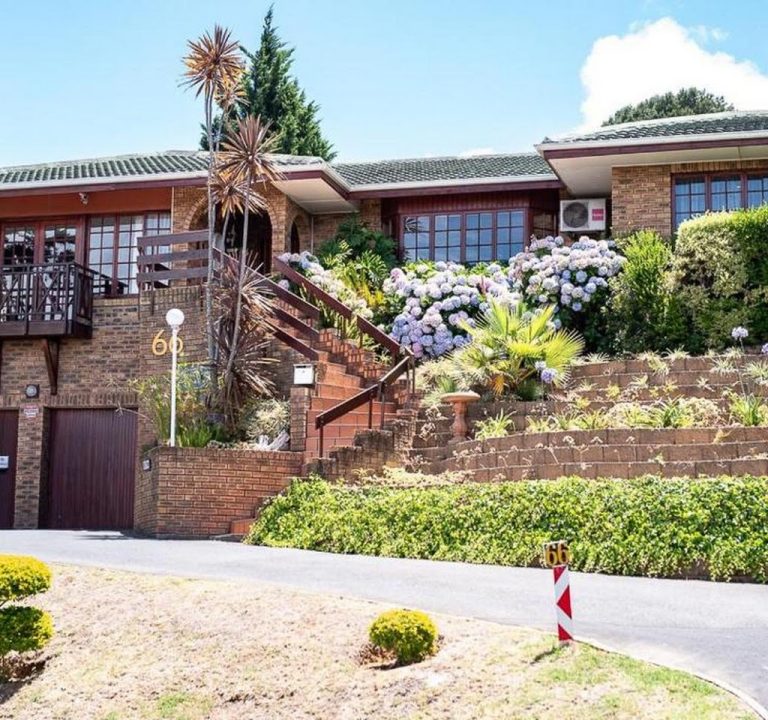
One example of a guest house option in the Western Cape is MJ Accommodation Bellville. This guest house is listed as a category option for visitors seeking a comfortable, home-like stay with practical amenities in the Bellville area. For travellers planning to explore the broader region, including the immediate Cape Town environs and the surrounding towns, it can serve as a well-located base with straightforward access to essential roads and public transport. More information can be found on its official website: MJ Accommodation Bellville.
Practical planning tips to close with:
- Confirm breakfast options and whether there are nearby cafes or markets for self-catering.
- Ask about secure parking, airport transfers or convenient taxi/ride-sharing access.
- Request a map or local guide from the host to uncover quick routes to your must-see sights.
- Pack adaptable clothing for the shifting coastal climate and sun protection for outdoor days.
- Check weather forecasts during your stay and plan morning activities to avoid peak afternoon heat or crowds.