Exploring Marloth Park: Where to Stay and What to Do
Situated on the edge of the Kruger ecosystem in Mpumalanga, Marloth Park offers a unique blend of wildlife, nature, and relaxed accommodation. Visitors generally come for the birdlife, game viewing from the comfort of a private deck, and easy access to the Kruger National Park’s southern approaches. The area is characterised by eco-friendly bush lodges, self‑catering houses, cottages and small guesthouses that blend into the natural surroundings, making Marloth Park a popular choice for families, couples and groups seeking a village feel with wildlife on the doorstep.
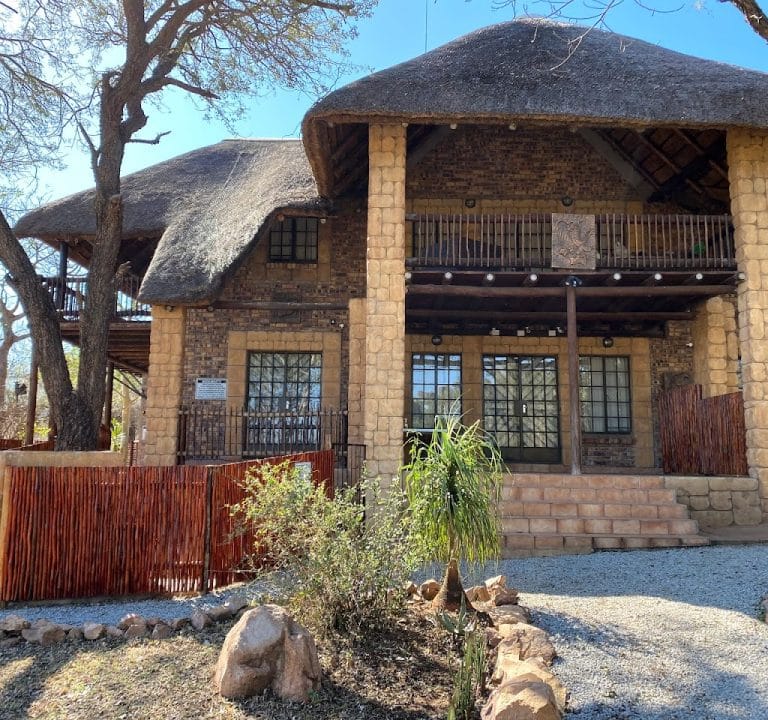
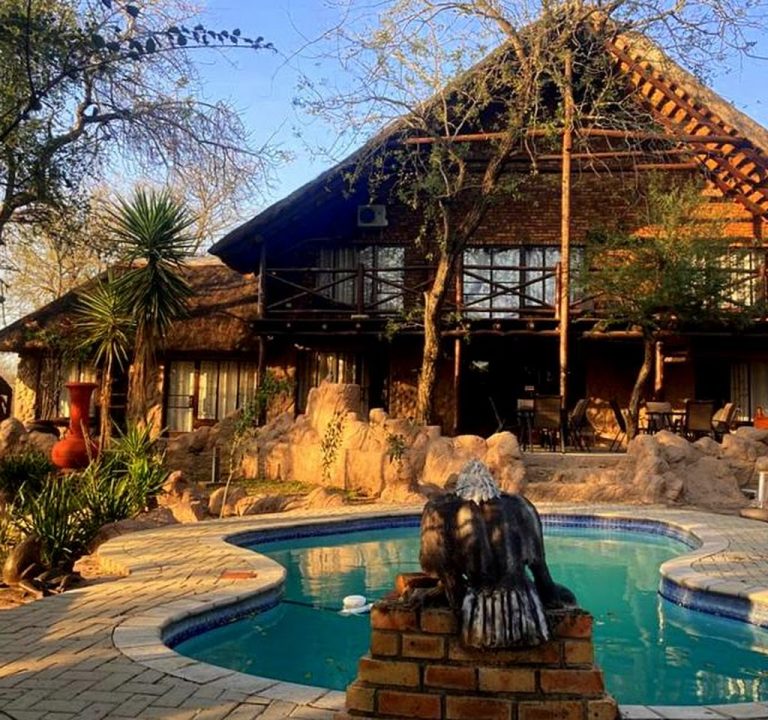
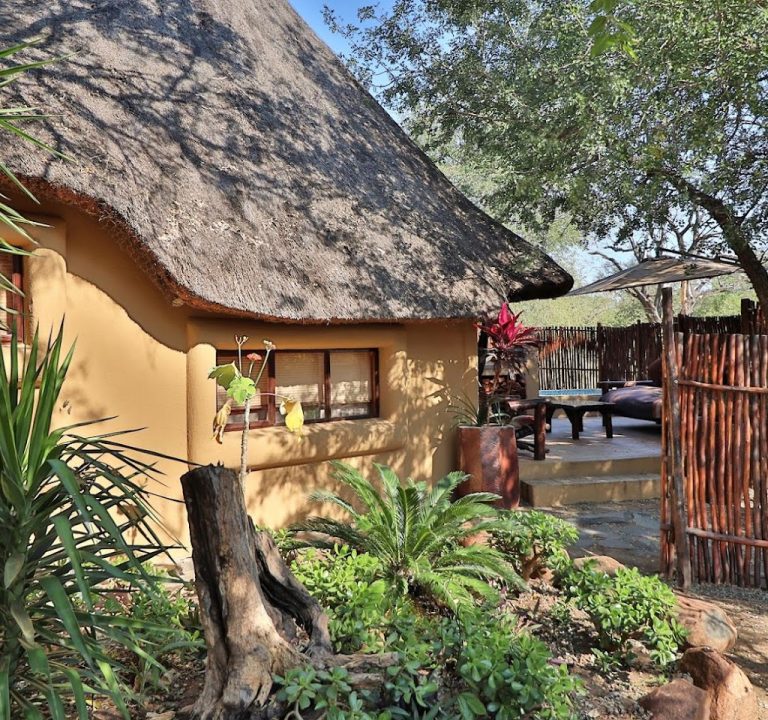
Accommodation in Marloth Park ranges from rustic bush lodges to self-catering homes with private pools or braai areas. Many properties feature elevated decks, outdoor seating, and large windows to maximise wildlife viewing. When booking, look for clear descriptions of siting and comfort level, such as whether the property is fully serviced, whether there is a chef or housekeeping option, and what the self-c catering facilities include (for example, oven, fridge-freezer, dishwasher, and sufficient cookware). If you prefer a guided element to your stay, some hosts offer game drives or wildlife activities in partnership with nearby reserves. For a quieter break, there are standalone cottages and smaller guesthouses that emphasise privacy and a slower pace.
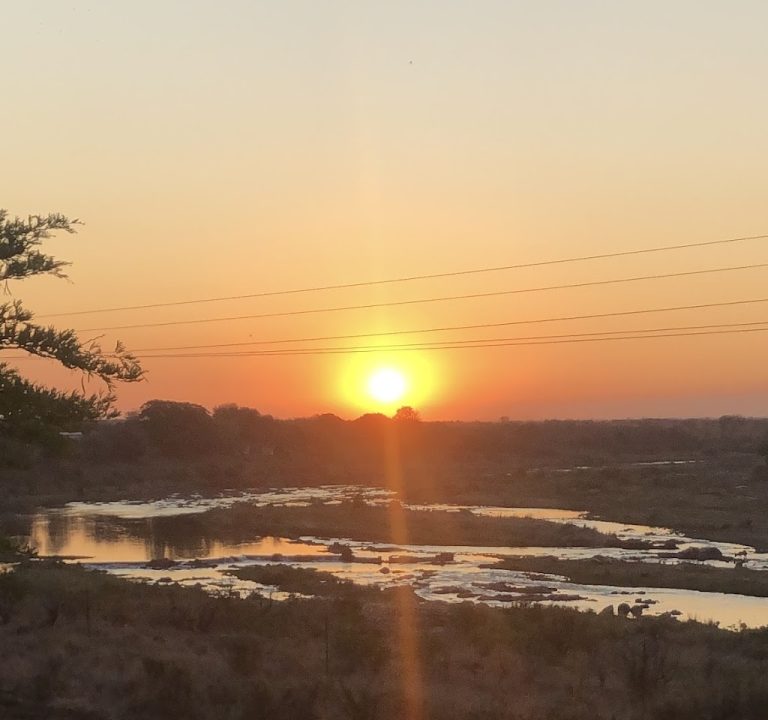
Areas to consider within Marloth Park include the central community‑managed zones and the more secluded encampments near the river. Proximity to the Crocodile River can enhance wildlife sightings from your veranda, while a shorter downstream walk might bring you to community facilities or viewing points. When planning, think about how you want to structure your days: a morning game drive, a mid‑day return for a dip or shade, and an afternoon stroll or sunset viewing. The layout of your chosen property—whether it has a large outdoor area, a covered terrace, or a sheltered chalet—can significantly influence your experience, especially during warmer months or after rainfall when wildlife activity peaks in the late afternoon and early morning.
Practical planning tips to maximise your stay include understanding transport options and access. Marloth Park is best explored with a car, as the estate is spread out and some attractions require short drives. On arrival, check whether your accommodation offers secure parking or a garage, and confirm if there are any local restrictions or gate procedures to access the park. If you prefer not to drive, you can inquire about guided transfers or local tour operators who arrange practical, wildlife‑themed activities. Pack for all seasons, as mornings can be cool even in summer and rain showers can appear unexpectedly during certain months.
Best time to visit Marloth Park depends on your priorities. The dry season (roughly May to September) often offers easier animal viewing near water sources and clearer skies for stargazing. The wet season brings lush foliage, birdlife, and a different landscape texture, though temperatures and humidity can be higher and some tracks may be less accessible after rain. Consider shoulder months when wildlife activity is still high but the weather is generally milder. Always stay informed about park rules, safe viewing distances, and respect for wildlife, particularly around children and pets.
Amenities commonly found in Marloth Park properties include fully equipped kitchens, comfortable living spaces, air‑conditioning or fans, reliable water supply, and outdoor entertainment areas. Some units may provide Wi‑Fi or satellite TV, though in remote bush settings connectivity can vary. Many lodges and guesthouses offer on‑site facilities such as swimming pools, communal braai areas, and shaded seating to enjoy evenings outdoors. If you’re travelling with children, look for properties with child‑safe enclosures, high chairs, and proximity to open spaces where kids can observe wildlife from a safe distance under supervision.
Attractions and experiences in Marloth Park are naturally wildlife‑driven. Early morning or late afternoon game viewing is a highlight, with opportunities to sight elephants, antelope, giraffes and a variety of birdlife along the riverine corridors. Nearby reserves and open areas may present adaptable itineraries for guided walks, photography sessions, or quiet nature trails. Versatile dining experiences are available at local eateries and lodges, ranging from casual family restaurants to more refined settings; many offer seasonal menus focused on regional produce and shared platters, which can be a comfortable way to unwind after a day outdoors. If you’re exploring outside Marloth Park, consider day trips to the Kruger Park gates or other nature reserves in Mpumalanga to broaden the wildlife and scenery you encounter, while keeping travel times realistic for a relaxed itinerary.
Practical planning tips for a smooth stay:
- Book early for peak seasons, especially during dry months when wildlife viewing is at its best.
- Confirm gate access times and any permit requirements for entering surrounding reserves.
- Ask hosts about wildlife safety guidelines and the best times for viewing around their property.
- Check what’s included in the rate—cleaning, linens, and essential kitchen equipment vary by property.
- Bring a good camera, binoculars, sun protection, and insect repellent; some areas have a higher insect presence during the wet season.
- Plan flexible days to accommodate weather, wildlife activity peaks, and rest periods for travellers needing downtime.
- Explore a mix of self‑catering days with occasional dine‑out meals to balance independence with social dining opportunities.
For those seeking a specific place to stay, Marloth Park offers a range of options that suit different group sizes and budgets. Websites and local tourism resources can provide maps, property listings, and guest reviews to help you compare locations, sizes, and features. A well‑chosen stay in Marloth Park can combine comfortable accommodation with immersive wildlife‑centric pleasures, making it a rewarding base from which to explore Mpumalanga’s natural beauty while enjoying a relaxed, nature‑inspired holiday.