Adelaide, Eastern Cape: A Practical Guide to Accommodation, Attractions and Local Experiences
Nestled in the countryside of the Eastern Cape, Adelaide offers a quiet retreat with a warm welcome, rolling farmlands and a slower pace that is ideal for visitors seeking an authentic South African rural experience. Planning a stay here means balancing comfortable accommodation with easy access to nature, historical landmarks and relaxed dining. A mix of small guesthouses, country inns and a traditional hotel can provide all you need for a comfortable visit, without the bustle of larger centres.
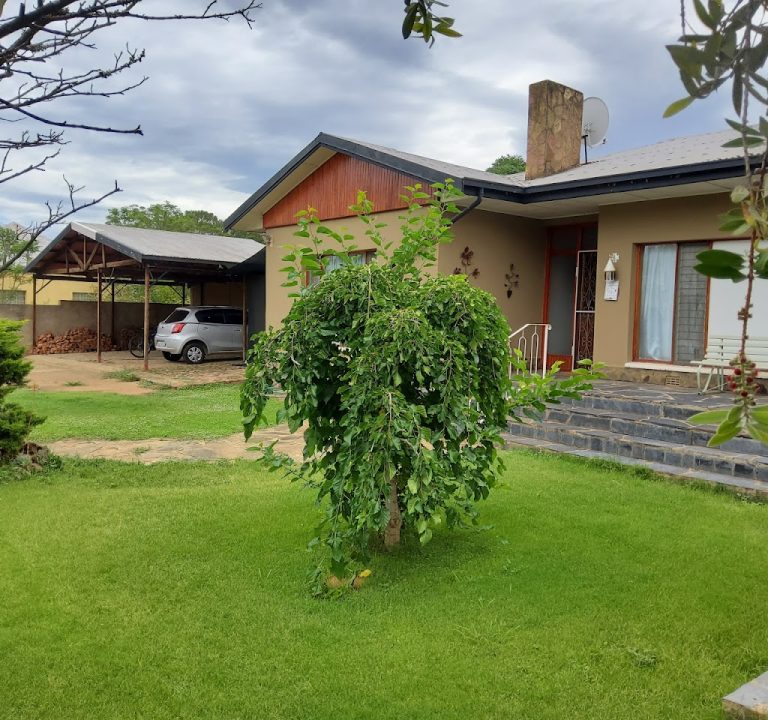
When choosing where to stay, consider the area you’d most like to explore. The town centre provides convenient access to shops, cafes and local services, while outlying farms and lodges can offer scenic drives and uninterrupted countryside views. If you are using public transport, look for properties within a short taxi or shuttle ride of the town core, and check whether your hosts can assist with arranging local transfers. For self-drive visitors, ask about parking arrangements and whether the property offers secure spaces for peace of mind after dark.
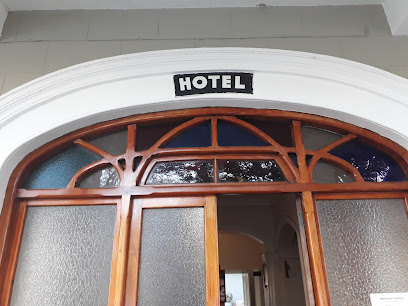
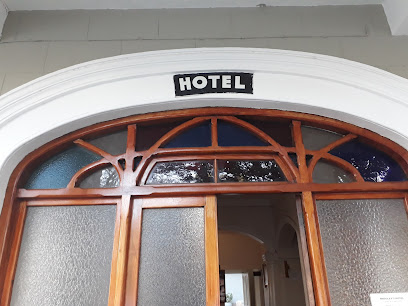
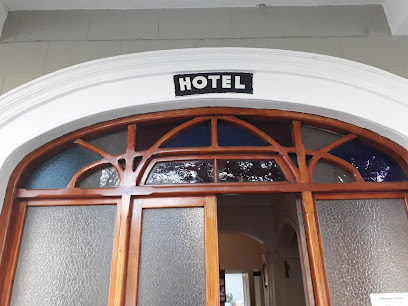
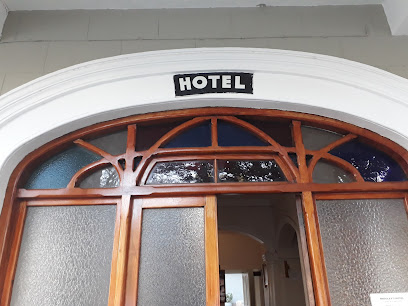
Midgley’s Hotel stands out as a classic option in Adelaide. Guests typically value straightforward rooms, friendly service and a central location that makes it easy to stroll to restaurants and small market squares. When researching options, consider whether you prefer an on-site restaurant, a bar for evening socialising or a B&B-style setup with informal common areas for chatting with fellow travellers. If breakfast is important, check how it is served—many properties in this region offer hearty farm-style spreads or a custom continental option to suit early starts for day trips.
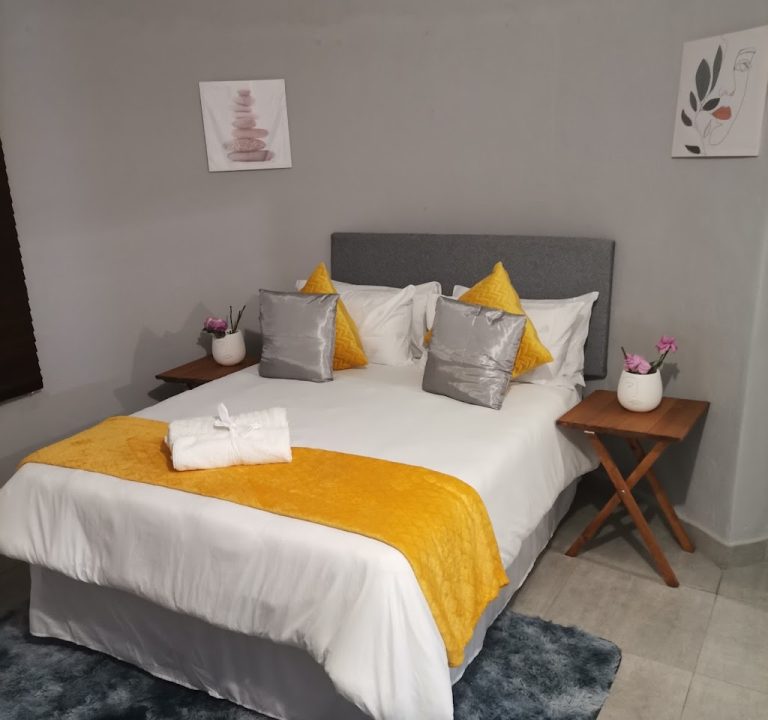
Typical amenities you can expect in this part of the Eastern Cape include comfortable en-suite bedrooms, in-room tea and coffee facilities, and reliable housekeeping. Some properties may offer extra touches such as outdoor seating areas, a courtyard for sunny afternoons, or shaded verandahs where you can unwind with a book after a warm day. For families, look for accommodation with larger rooms or family suites, and inquire about baby cots or child-friendly spaces. If you are visiting in the cooler months, ask about heating options and extra blankets, as winters can be brisk in the highveld climate.
For dining, Adelaide’s restaurants and eateries are often modest but characterful, focusing on wholesome, locally sourced produce. Expect seasonal menus, country-style dishes and gracious service from hosts who are keen to share tips about the surrounding countryside. If you prefer self-catering, several guesthouses offer kitchen facilities or communal kitchens where guests can prepare meals, which can be convenient for families or groups travelling on a budget. Always check breakfast arrangements and whether dinner can be arranged on request, which can be a real convenience after a day spent exploring the countryside.
Getting around Adelaide and the surrounding district is easiest with a car, but it’s worth confirming whether your accommodation offers any shuttle services or can help arrange short tours. If you plan to explore beyond the town, there are scenic rural routes where you can stop at viewpoints, farms and small markets. For travellers who enjoy walking, some properties provide maps or local notes highlighting pleasant riverside paths and shaded lanes that reveal the town’s quiet charm without leaving the centre.
The best time to visit Adelaide depends on your preferences for weather and activities. Spring (September to November) brings milder days and fresh countryside, making it ideal for outdoor strolls and photography. Summer (December to February) can be warm and sunny, suitable for long drives and relaxed afternoons in shaded verandahs, but plan for occasional showers. Autumn (March to May) offers comfortable temperatures and a quieter atmosphere, while winter (June to August) can be cool and crisp, with cosy evenings indoors or by the fireplace in some guesthouses. If your trip includes wildlife watching or scenic drives, consider aligning your stay with calmer mid-week periods to enjoy better access to surrounding attractions and slower service at popular spots.
Practical tips for a smooth stay in Adelaide, Eastern Cape:
- Book ahead during peak rural holidays or local market weeks to secure your preferred room and rate.
- Ask hosts for local recommendations on day trips, including nature reserves, viewpoints and small historical sites.
- Clarify check-in and check-out times, as some country properties have flexible arrivals but strict departures.
- Bring a light layer for cooler evenings and a hat for sunny daytime explorations.
- Respect local customs and rural farm routines, especially if staying at a working property or a boutique hotel with farm elements.
Beyond the place to sleep, Adelaide offers a calm base from which to experience the region’s rural character. Attractions in general terms often include scenic drives, small markets or historic buildings that reflect the area’s colonial and agricultural heritage. Local eateries provide straightforward, honest meals with a flavour of the countryside, while access to nature and quiet backroads invites thoughtful day trips. For more inspiration and practical planning, consider visiting official tourism resources or regional visitor guides, which can help you map out a balanced itinerary that suits your pace and interests.
With thoughtful planning, a stay in Adelaide can be a restorative retreat that combines comfortable accommodation with authentic experiences, gentle exploration and the warmth of Eastern Cape hospitality. Whether you opt for a traditional hotel like Midgley’s Hotel, a cosy guesthouse or a country inn, you’ll discover a destination that rewards slow travel and friendly conversation, while still providing easy access to the sights and flavours that make this corner of South Africa uniquely appealing.