Accommodation and Attractions in Pretoria, Gauteng: A Practical Guide for a Remarkable Stay
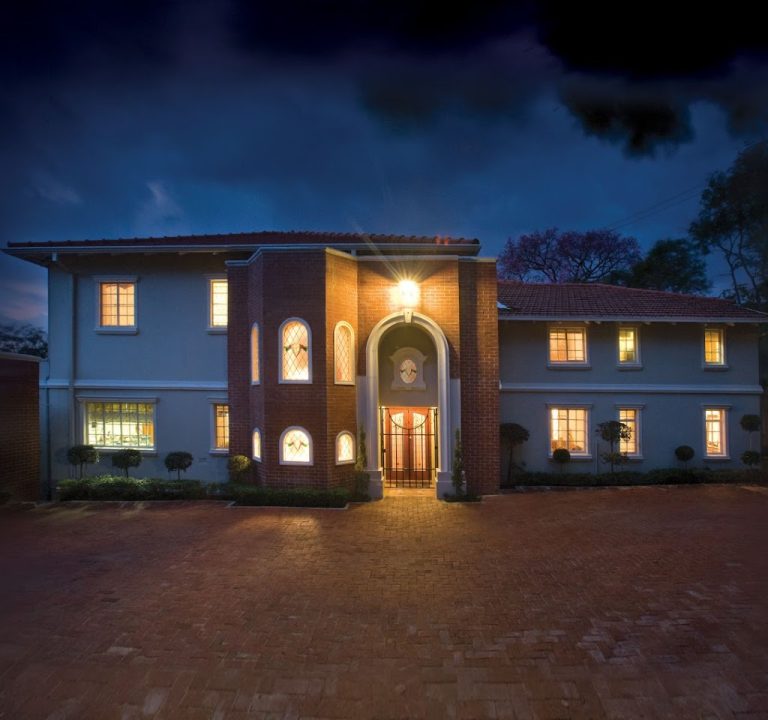
Pretoria, the administrative capital of South Africa, offers a mix of leafy suburbs, historic forebears, and contemporary hospitality. When planning a stay in this city, travellers often weigh convenience against character, budget against comfort, and a sense of place against sheer value. Whether you prefer a boutique guesthouse, a family-friendly lodge, or a stylish city hotel, Pretoria accommodates a range of tastes while acting as a convenient gateway to Gauteng’s broader highlights.
One of the first decisions is area. The eastern suburbs are popular with business travellers and families for their wide streets, parkland, and easy access to embassies and government precincts. The central business district has undergone a renaissance in recent years, offering stylish mid-range hotels and apartment stays within walking distance of museums, restaurants, and cultural venues. For a leafy, tranquil atmosphere close to nature, look to the northern and southern edges where guesthouses and boutique hotels often combine comfort with generous gardens and outdoor spaces. When selecting a place to stay, consider proximity to major highways and to the city’s main routes to the Cradle of Humankind, the Waterberg area, or the more distant, scenic escarpment views nearby.
What to look for when booking a stay in Pretoria? Start with clear essentials: reliable wi‑fi, secure parking or easy access to public transport, and flexible check‑in/out options. If you are visiting for a short city break, proximity to attractions and restaurants often matters more than absolute luxury. For longer stays, a well-equipped kitchenette or lounge area can make a big difference. Guest reviews can reveal practical details such as soundproofing, breakfast quality, and the responsiveness of the host or manager. For hotels, suites with separate living spaces, on-site dining options, and the availability of conference or business facilities can be true advantages.
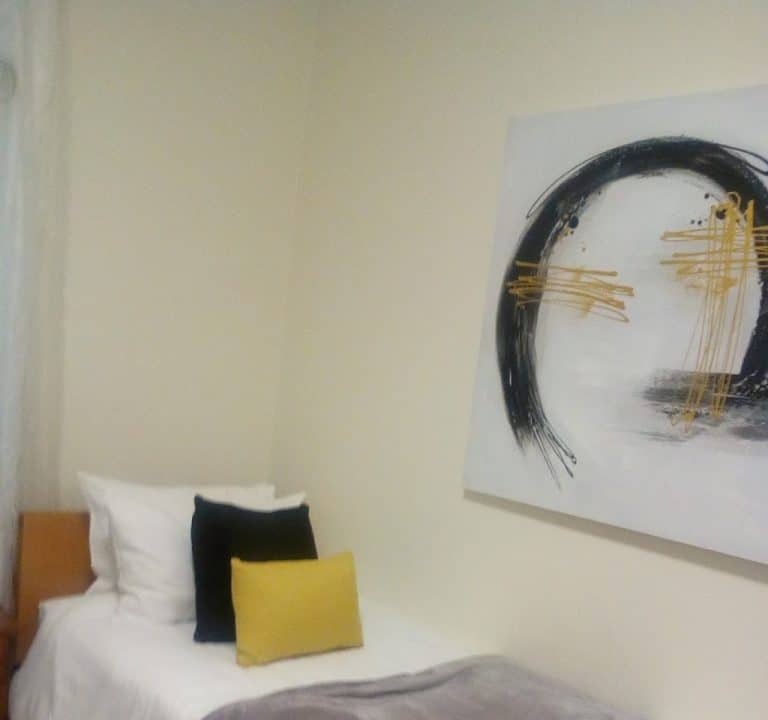
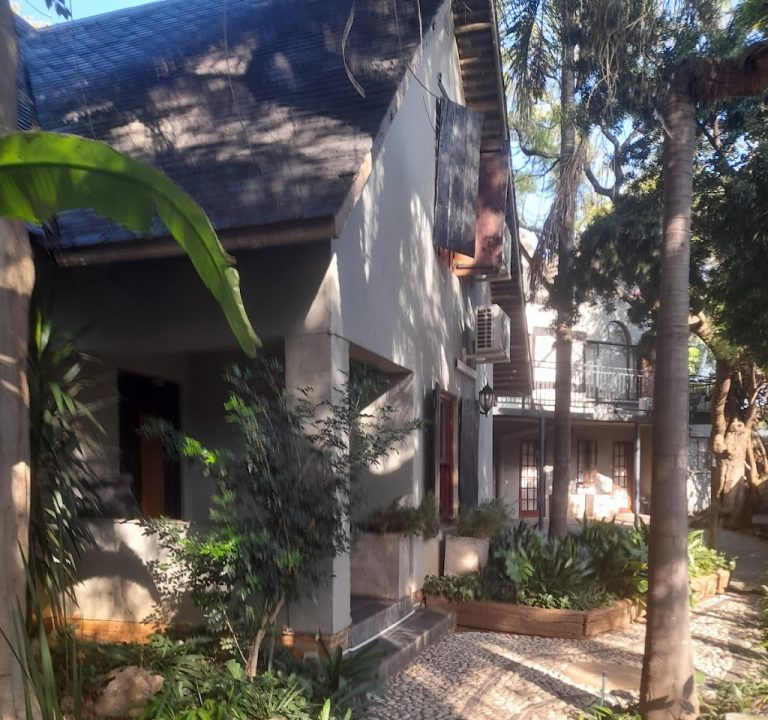
Typical amenities you might encounter include free breakfast or continental options, clean and well-appointed en suite bathrooms, air conditioning or heating for Pretoria’s varying seasons, and leisure facilities like pools, gardens, or onsite fitness rooms. In many guesthouses, you will find personalised touches such as curated local artwork, thoughtful decor, and hosts who can offer customised tips for restaurant reservations and day trips. If you are exploring with family, look for child-friendly rooms, easy stroller access, and secure play areas. For travellers seeking a more intimate experience, boutique hotels or smaller lodges often provide characterful rooms, private terraces, or courtyard spaces that enhance a sense of place.
Transport in Pretoria is straightforward but requires a bit of planning. The city is served by a network of roads connected to Johannesburg and other Gauteng hubs. Car hire is common, and many visitors find it convenient to have a vehicle for day trips to attractions outside the city centre. Public transport options exist, including buses and some rail links to surrounding towns. If you plan to use taxis or ride‑hailing services, check the neighbourhood safety and the typical travel times between your accommodation and the places you intend to visit, especially during peak hours. When booking, consider whether your stay includes on-site parking or if nearby secure parking is available, and ask about late arrival policies if your travel timetable is flexible.
The best time to visit Pretoria generally aligns with pleasant weather and fewer rain days. The transitional seasons of spring and autumn offer mild temperatures ideal for exploring outdoor markets, historic sites, and garden spaces. In summer, brief showers can occur, but late afternoons often reward visitors with comfortable temperatures and the chance to enjoy outdoor dining and sunset views. Winter brings cooler days; packing layers and a reliable jacket is wise if you plan early morning or evening excursions. Throughout the year, Pretoria’s cultural calendar features museums, galleries, and exhibitions that complement outdoor pursuits such as park walks, botanical gardens, and scenic drives along the surrounding hills.
Practical tips to help you plan a smooth stay:
- Check accessibility and parking details if you are driving a lot or using a rental car.
- Ask hosts or front desks about nearby attractions, dining options, and safe walking routes after dark.
- Look for accommodations with breakfast options or easy access to reputable local eateries for flexible dining.
- Consider a stay that offers easy day trips to nature reserves or historical sites beyond the city limits.
- Book in advance for peak travel periods or during school holidays to secure preferred rooms and rates.
As for must‑see experiences, Pretoria offers a blend of cultural spaces, green spaces, and culinary scenes. Expect calm garden settings, intriguing museums framed by shade trees, and a selection of restaurants that emphasise local ingredients and contemporary South African flavours. A stay in Pretoria can be complemented by a visit to nearby heritage sites and markets, where you can sample regional produce and crafts while engaging with friendly locals. For travellers seeking a compact base with a strong sense of place, boutique stays and well‑regulated hotels in key precincts can provide efficient access to the city’s attractions, dining rooms, and day-trip routes.
For further inspiration and current options, consider browsing hotel and guesthouse listings that offer genuine South African hospitality, detailed room descriptions, and reliable guest reviews. A thoughtfully chosen base in Pretoria can set the tone for a relaxed, well-planned itinerary that makes the most of Gauteng’s diverse experiences.