Where to stay and what to do in Bela-Bela, Limpopo
Bela-Bela, often called the “WarmBurg” by visitors, sits beside the spectacular Waterberg region in Limpopo. It is a convenient base for travellers seeking hot springs, easy access to nature reserves, and a relaxed rural atmosphere. When planning a stay, consider which part of town suits your itinerary: the centre offers easy access to shops and eateries, while suburbs closer to the river and surrounding countryside provide a more tranquil, leafy setting with quicker access to outdoor activities. For guests seeking a true countryside feel, guest houses and small boutique hotels tucked away on quiet streets can be ideal, while larger lodges on the outskirts sometimes offer expansive grounds and family-friendly facilities.
Accommodation in Bela-Bela ranges from guest houses and small inns to mid-range hotels and lodge-style retreats. In deciding where to stay, think about parking and proximity to the attractions you plan to visit, as well as whether you prefer a private, self-catering setup or daily housekeeping and on-site dining. Typical amenities to look for include en-suite rooms, air conditioning or fans (to cope with warm evenings in summer), reliable hot water, secure parking, Wi‑Fi, and on-site swimming pools or braai (barbecue) facilities. If you are travelling with children or a group, ask about family rooms, interconnecting spaces, and outdoor play areas. For longer stays, check if there are self-catering kitchens or laundry facilities.
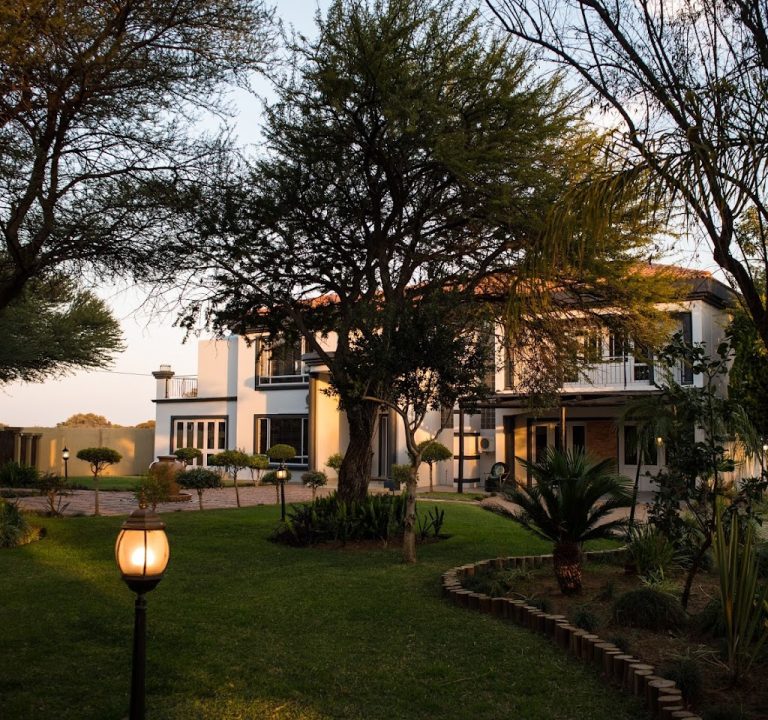
One well-regarded option worth exploring is Meloding Guest House, a guest house located on the outskirts of Bela-Bela. It presents a countryside ambience with practical comforts that make for a convenient base while visiting the area. More information can be found at their website: Meloding Guest House.
Practical planning tips can help you make the most of your time. Book ahead during peak seasons—particularly in school holiday periods—when demand for accommodation around hot springs and nature trails is higher. If you are visiting in the warmer months, consider rooms with air conditioning or ceiling fans, and if you plan outdoor activities, inquire about early starts to avoid the heat. For winter travellers, warm rooms, reliable heating, and comfortable communal spaces become more important for a relaxed retreat after a day outdoors.
Transport in and around Bela-Bela is typically convenient for self-drive guests. A car is the most practical way to explore the surrounding landscapes, rural farms, and nearby parks at your own pace. If you prefer not to drive, check whether your accommodation offers a shuttle service or can arrange transfers to major viewing areas or reserves. Public transport is limited in this region, so a parking-friendly base with easy access to main roads is often preferred. When planning day trips, your route may start with a scenic drive toward the Waterberg plateau, with opportunities for short hikes, birdwatching, and wildlife sightings along the way.
The area offers a range of attractions that suit different interests. Natural thermal springs can be a highlight for relaxed days and therapeutic pools. Nearby nature reserves and landscapes invite bush walks, guided safari-style drives, and opportunities to observe wildlife in a protected setting. For those who enjoy gentle outdoor activities, long strolls along scenic viewpoints, picnic spots, and forest trails can be a rejuvenating add-on. Cultural and agricultural experiences—such as farm stays or local markets—provide insight into the region’s traditions and produce.
Dining in Bela-Bela tends to be informal and family-friendly, with a mix of casual bistros, traditional grill-style eateries, and contemporary restaurants that emphasise regional ingredients. Many guest houses and lodges offer on-site dining or easy recommendations for nearby options. When planning meals, you may want to balance restaurant evenings with occasions at your accommodation, especially if you have a kitchen or braai facilities ready for home-cooked meals.
Best time to visit Bela-Bela can depend on your priorities. The winter months are popular for comfortable daytime temperatures and the chance to combine hot springs with outdoor exploring. Summer brings lush scenery, green landscapes, and longer days for more outdoor activities, though it can be hotter and wetter. If your itinerary includes wildlife viewing in the Waterberg or surrounding reserves, early mornings and late afternoons tend to offer the best chances to spot animals, with cooler temperatures and fewer crowds.
- When booking, look for clear photographs, a detailed description of rooms and facilities, and visible policies on housekeeping, cancellations, and security.
- Confirm parking arrangements, access times, and any children’s policies if travelling with youngsters.
- Check for essential comforts such as air conditioning, Wi‑Fi reliability, and the availability of a braai or kitchen, depending on your preferences.
- Ask about accessibility and mobility considerations if necessary, particularly for any guests with reduced mobility.