Phalaborwa: Where to stay, things to do and practical planning tips for a memorable Limpopo break
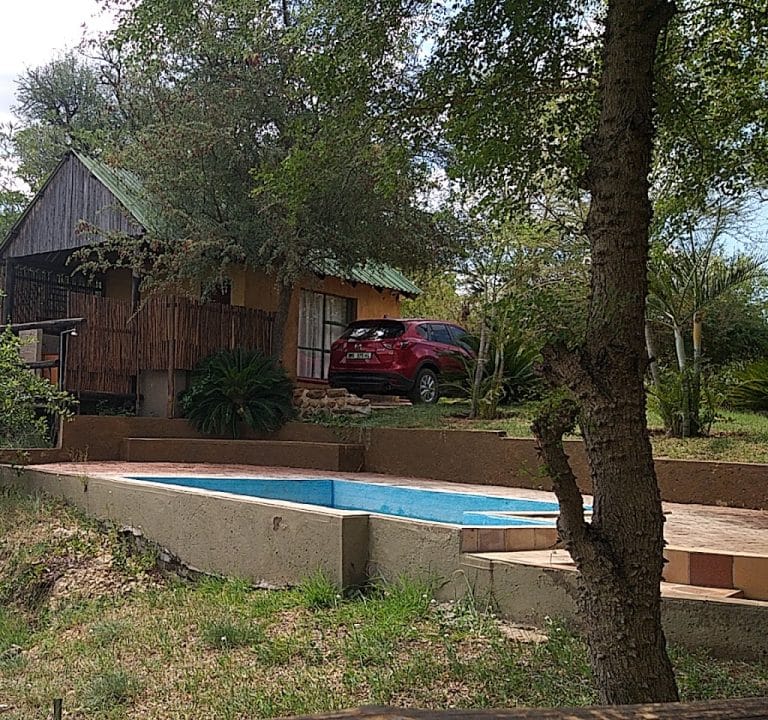
Phalaborwa sits at a strategic crossroads in Limpopo, South Africa, making it an ideal base for travellers who want to explore the Kruger National Park's eastern gates, as well as the surrounding wildlife reserves and natural landscapes. When planning a stay, consider how the town’s layout and the nearby wildlife attractions will influence your daily rhythms. An overnight stop can be comfortable in guesthouses and lodges within the town, or you may opt for a more immersive experience at a campground or holiday resort just outside the urban centre. A place such as Mbaula Lodge, positioned as a campground and holiday accommodation, provides a calm setting for families and groups while offering easy access to nature and activities in the area.
Areas to consider when choosing accommodation include proximity to the Kruger National Park entrance (Phalaborwa Gate), convenient access to the town’s shops and eateries, and the presence of on-site facilities that suit your style—whether you’re travelling as a couple, with children, or in a larger group. If you plan early-morning game drives or late-afternoon safaris, you’ll appreciate properties with flexible access, secure parking, and reliable transport arrangements. For visitors who prefer fewer logistical challenges, a well-equipped lodge or resort with a pooled area and dining options can reduce the need for extra planning.
Typical amenities in Phalaborwa accommodation range from self-catering kitchen facilities and outdoor braai areas to comfortable en-suite rooms, air conditioning for hot summer nights, and generators or solar power in case of load-shedding. Some lodges and campgrounds offer guided activities, bicycle hire, and early-morning wake-up calls for safaris. When booking, look for clean, well-maintained spaces, clear policies on check-in and check-out, and transparent information about cancellations—particularly during the rainy season when travel plans can be affected by weather.
Transport within the area is straightforward for most visitors. A car is the most convenient way to reach Kruger National Park’s gates and to explore outlying attractions at your own pace. Phalaborwa has its own small airstrip, which can be handy for travellers arriving from further afield, though many visitors arrive by road via Bloemfontein, Johannesburg, or Nelspruit (Mbombela). If you’re not driving, check in advance whether your accommodation can arrange reliable transfers or offer a suggestion of trusted local operators for day trips, safaris, and airport runs. Some guests appreciate the option of a host or concierge who can help plan day-by-day itineraries that maximise wildlife viewing and scenery without long gaps between activities.
The best time to visit Phalaborwa depends on what you want to experience. Dry winter months (roughly May to September) are popular for wildlife viewing since animals gather around water sources and the bush is cooler and more comfortable for daytime safaris. The wet season (roughly November to March) brings lush vegetation and dramatic skies but may feature afternoon rain showers; this can be ideal for photographers and those who enjoy vibrant landscapes, though some roads can become slippery and track conditions can vary. Planning around the Kruger National Park’s seasonal schedules can help you book game drives or guided walks at times when wildlife activity is most evident.
When it comes to experiences beyond the park, Phalaborwa offers a gateway to nature reserves, riverine walks, and scenic viewpoints. After a day of exploration, you’ll find a range of dining options in and around the town—from casual eateries serving regional flavours to establishments that offer comfortable dining rooms with a relaxed ambience. While specific restaurant names and menus change over time, guests typically look for places that provide steady, family-friendly menus, clear information about opening hours, and options for dietary requirements. Local guides and operators often supply packaged day trips that combine a taste of rural Limpopo life with wildlife encounters, cultural insights, and opportunities to purchase crafts and local produce in the area markets.
Booking essentials and practical tips to help you plan a smooth stay:
- Choose accommodation based on access to Kruger gates, transport options, and whether you want self-catering facilities or full board.
- Assess room layouts and privacy levels for families or groups, and verify on-site safety measures and gate access hours for night drives or early departures.
- Check for air conditioning and mosquito nets, particularly if visiting during the warmer months or the wet season.
- Confirm if the property offers guided safari options, park permits, or transfers to park gates to save time during your stay.
- Look for on-site or nearby dining provisions and grocery access so you can plan picnics for longer days in reserves.
Practical planning considerations include packing adaptable clothing for variable weather, sun protection for day trips, and comfortable footwear for walks in both town and reserve settings. If you’re visiting during the dry season, a bottle of water and a light rain layer can be handy for late-day showers. For safari preparations, bring a small camera with a zoom lens, binoculars if you have them, and a light daypack for sun and shade breaks at viewpoints and hides.
Phalaborwa’s combination of gateway access to one of Africa’s iconic national parks, a range of accommodation styles from campgrounds to lodges, and a relaxed, friendly base for day trips makes it a practical and rewarding choice for travellers exploring Limpopo. Whether you prioritise easy self-catering, guided wildlife experiences, or a comfortable stay near town amenities, planning around transport, season, and the pace of your itinerary will help you make the most of your visit to this captivating corner of South Africa.