Durban: A Guide to Accommodation, Attractions and Practical Planning
Durban in KwaZulu‑Natal offers a warm, harbour‑side welcome with palm-fringed beaches, dynamic regional cuisine and a spectrum of places to stay. Whether you prefer a characterful guest house, a contemporary hotel, a family‑run lodge or a self‑catering apartment, Durban’s neighbourhoods each bring a distinct flavour to a visit. A well‑chosen base can make it easy to explore the rugged coastline, the inland beauty of the Valley of a Thousand Hills, and the bustling markets and eateries that characterise the city.
When planning where to stay, consider the rhythm of your days. If you want easy beach access and evening strolls along the promenade, central Durban and the beachfront strip are sensible options. For a calmer atmosphere with closer access to nature, areas inland or near the Umgeni River can offer tranquil stays with easy road access to major sights. Durban is well served by a network of taxis, ride‑hailing services and some reliable tour operators, though renting a car remains the most flexible option for exploring beyond the city limits.
Accommodation types vary from stylish guest houses and boutique hotels to comfortable lodges and apartment‑style stays. Look for places that clearly state their approach to cleanliness, security and guest services. In guest houses and smaller establishments, you may find a personalised welcome, homemade breakfasts and local insights that bring a city’s heartbeat to life. For families or longer stays, serviced apartments and self‑catering options provide flexibility for meals and downtime between sightseeing.
Key features to look for when booking include accessible parking, reliable Wi‑Fi, 24‑hour reception or a clear front‑desk policy, and clear information about cancellation and guest policies. If you rely on public transport, check proximity to bus routes or the Metrorail link and how easy it is to reach the city centre, uShaka Marine World, the Durban Botanic Gardens and the countryside routes beyond the beacon of the coast. If you plan to explore by bicycle, ask about storage and bike friendly facilities. For business travellers, inquire about workspaces, quiet rooms and ergonomic desks.
Typical amenities you may encounter include: comfortable bedding with good climate control, en‑suite bathrooms, a tasty breakfast option, security features for peace of mind, and a friendly welcome from hosts or staff who can suggest local experiences. Some properties offer curated city guides, maps and personalised itineraries, which can be especially helpful in unfamiliar areas. If you have dietary preferences, consider accommodations that can accommodate them in advance, whether for breakfast or in‑house dining arrangements.
Durban’s climate is subtropical, with warm summers and mild winters. The best time to visit generally spans from autumn through spring (March to November), when humidity is more manageable and coastal weather is comfortable for outdoor activities. If you are hoping to catch a festive atmosphere, time your visit to the city’s cultural events, lively markets and seasonal regional cooking demonstrations, which showcase KwaZulu‑Natal’s diverse culinary traditions.
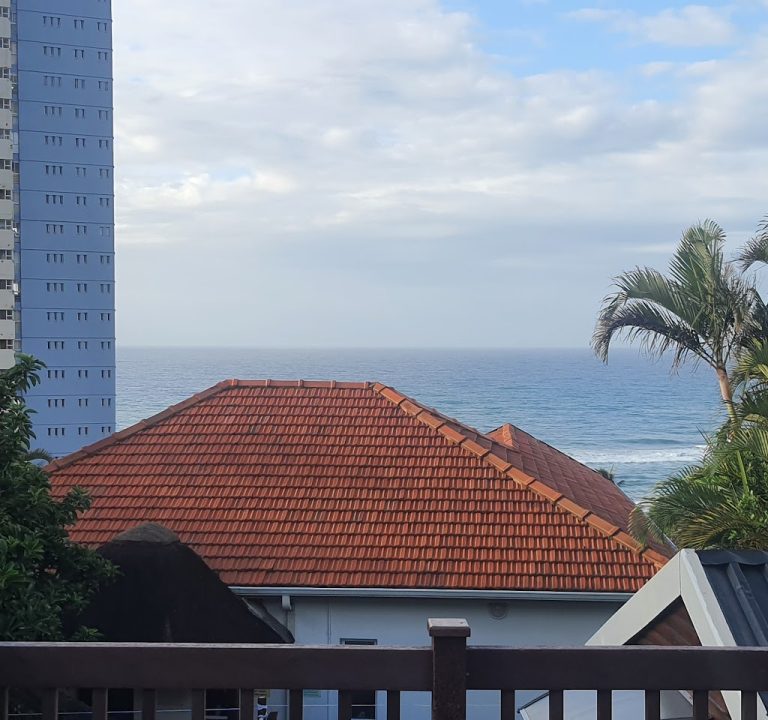
Top experiences beyond the coastline include exploring the well‑maintained public gardens, learning about the city’s maritime heritage at the harbour area, and strolling through neighbourhoods where street art and local crafts reflect the city’s creative energy. A day trip can combine a drive up the coastal road to viewpoints along the Indian Ocean and a stop at inland viewpoints where the subtropical landscape unfolds into rolling hills and valleys. For wildlife and nature lovers, look for guided nature walks and community‑run projects that offer an authentic taste of KwaZulu‑Natal’s ecosystems.
Durban is renowned for a fusion of flavours that mirrors its cultural tapestry. In terms of dining, guests often discover lively markets, casual coastal cafés and modern restaurants that draw on Indigenous influences and Indian‑South African culinary traditions. Rather than relying on fixed lists of names, seek places that emphasise fresh, local ingredients, a friendly atmosphere and a willingness to accommodate dietary needs. A stroll around a busy precinct can reveal aroma‑filled terraces and family friendly eateries where diners share dishes and recommendations with locals.
Practical tips for a smooth stay:
- Book a property with clear, up‑to‑date guest policies and verified guest reviews.
- Consider proximity to the areas you wish to explore most, whether the beachfront, the city centre or greener inland routes.
- Check transport arrangements in advance, including parking if you are renting a car.
- Confirm breakfast arrangements and any in‑house dining options if you prefer a self‑catering plan.
- Ask about safety features and local neighbourhood guidance for night-time activities.
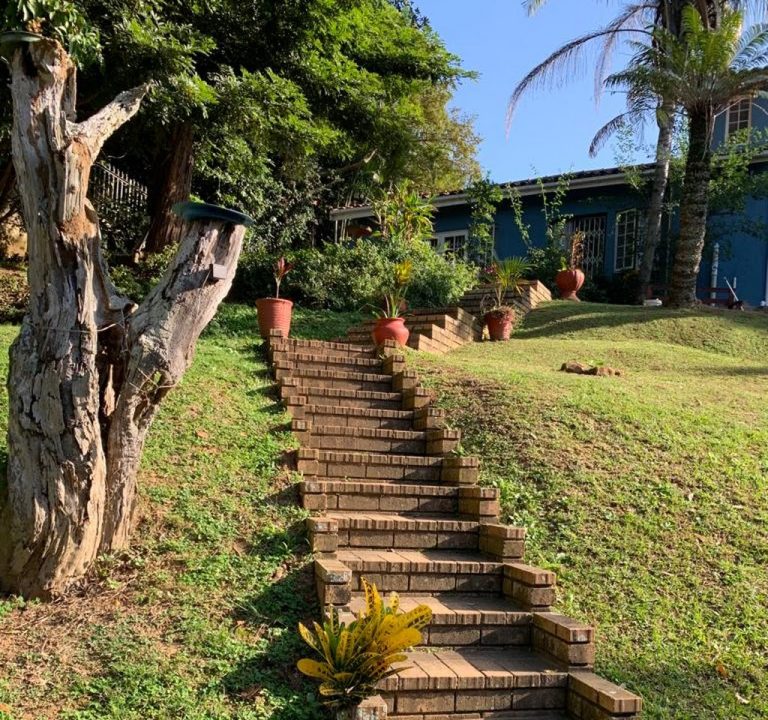
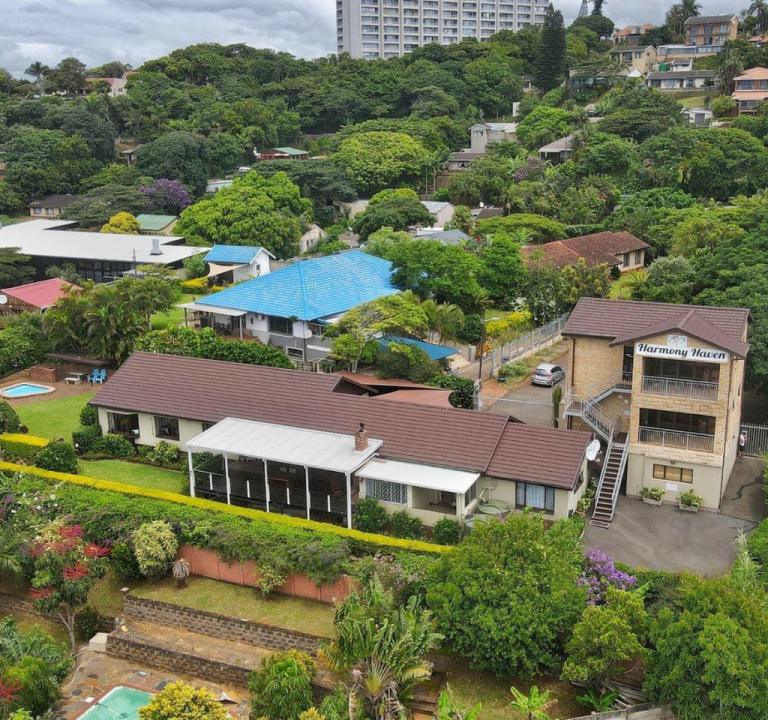
As an example of the kind of intimate, guest‑focused stays you can find in Durban, MaZikode Estate offers a guest house experience that blends comfort with a sense of place. It sits within a locale that allows guests to access the coast and nearby districts with ease, and its online presence provides an overview of the setting, services and how to plan a stay. For more information, visit the property’s website at Mazikode Estate.
Whether your priorities are restful evenings, a base for day trips, or a gateway to Durban’s vibrant street life and cultural offerings, the city rewards travellers who blend careful planning with a willingness to explore. With a thoughtful choice of accommodation and a flexible itinerary, you can enjoy Durban’s warm hospitality, coastal beauty and the rich tapestry of KwaZulu‑Natal’s experiences.