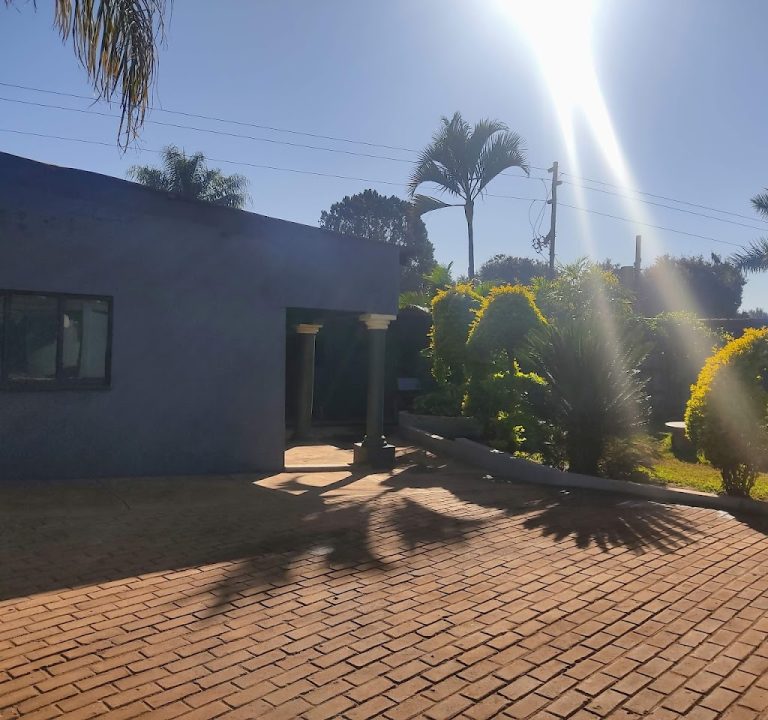
Accommodating Thohoyandou: where to stay, what to plan, and how to enjoy the Vavenda area
Thohoyandou sits at the heart of Limpopo’s northern Lowveld, offering a gateway to the Venda culture, surrounding nature, and authentic South African hospitality. When planning a stay, consider the various neighbourhoods and settings that suit your travel style—from simple hostels with social atmospheres to guesthouses that offer a practical home base for day trips. A well-chosen base makes it easy to explore local markets, cultural experiences, and the quieter reserves nearby, while keeping transport and comfort in mind.
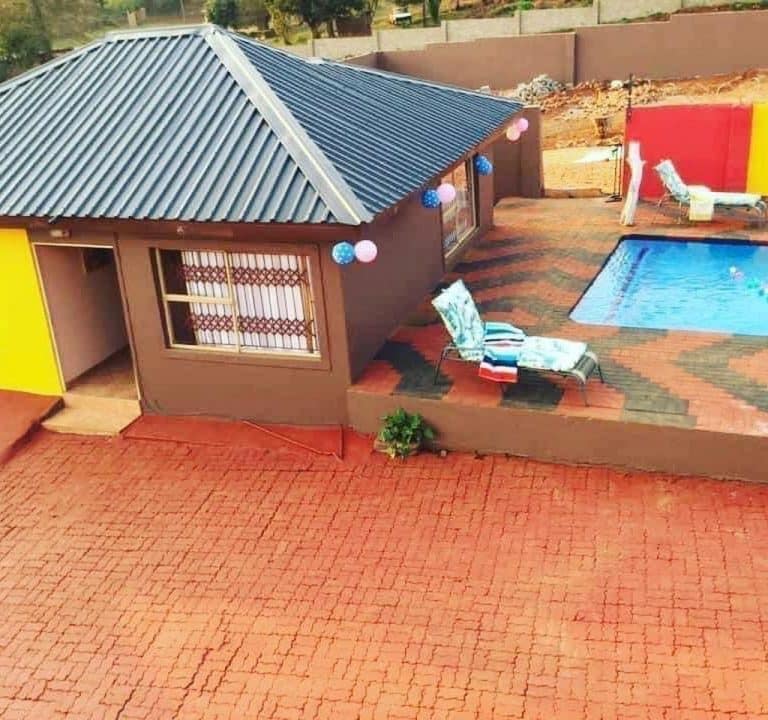
Accommodation options in and around Thohoyandou range from budget-friendly hostels to mid-range guesthouses and lodges. For travellers seeking a community vibe, a hostel such as Maungani Green Hostel Thohoyandou (where available) can offer shared facilities, common areas, and social booking options that are ideal for solo travellers or groups. If you prefer more privacy, look for guesthouses or small lodges that provide en-suite bedrooms, secure parking, and a straightforward location with easy access to main routes.
Areas to consider when booking include central Thohoyandou close to schools, markets, and transport links, or more rural settings that offer glimpses of village life and closer proximity to nature reserves. Guesthouses in the immediate vicinity of busy streets can be convenient for walking to shops and eateries, while those nestled on the outskirts may provide a calmer atmosphere and more spacious grounds. Read reviews to gauge how well the property manages noise, cleanliness, and guest safety, and check the accessibility of rooms, as some properties in rural areas may have stairs or limited mobility features.
Typical amenities to look for include reliable hot water, comfortable beds, good security (private or guarded parking), and strong wifi if you need to work or stay connected. A guest kitchen or dining area can be handy for travellers on a budget, and a dining space with shaded outdoor seating is a pleasant touch in warm months. If you are travelling with family, enquire about family rooms or interconnecting rooms. For longer stays, ask about laundry facilities and flexible cleaning schedules to suit your itinerary.
Transport options are a practical consideration. If you plan to explore beyond Thohoyandou, a car hire or private transfer can simplify trips to nearby viewpoints or cultural experiences. Local minibus taxis and organised tours may be available for day trips to the surrounding villages, markets, and scenic routes. When booking, confirm parking arrangements, road conditions, and whether you’ll need to arrange transfers from the town to your accommodation. If you plan to fly into the region, be aware that air connections may require a longer drive from major hubs, so factor travel time into your plans.
The best time to visit Thohoyandou depends on your interests. The dry season (roughly May to September) tends to bring clearer skies and easier travel conditions, which can be ideal for outdoor activities and sightseeing. The hotter, wetter months can be lush and vibrant, offering different opportunities for nature walks and photography. Consider local events and markets when planning your trip, as these can enhance your cultural experience and provide memorable meals and crafts to take home. Pack for variable weather and seasonal insect activity, and always carry water and sun protection for day trips.
Practical tips to help you enjoy a smooth stay:
- Book ahead during peak travel periods and ask about cancellation policies in advance.
- Check if the property provides a cooked breakfast, and whether meal options in the area include traditional Venda dishes alongside more familiar fare.
- Request a taxi or transfer arrangement if you plan evening activities or if street lighting varies in rural areas.
- Carry cash in small denominations for markets and casual purchases, as some venues may not accept card payments.
- Respect local customs and dress modestly when visiting communities and cultural spaces.
For most visitors, Thohoyandou serves as a comfortable base from which to explore both cultural and natural attractions. You might spend time wandering markets and craft stalls to observe local artistry, or exploring the surrounding countryside where rolling hills meet savannah landscapes. While exact venues and experiences should be confirmed locally, the general aim is to enjoy a warm, hospitable atmosphere, break bread with friendly faces, and learn about Venda heritage through guided or self-guided experiences. Dining in the town often features family-run eateries and casual restaurants offering a mix of traditional ingredients and contemporary favourites, providing a flavoursome introduction to the region without needing to travel far from your base.
When planning a stay in Thohoyandou, consider combining a couple of nights in town with day trips to nearby nature reserves, viewpoints, and cultural hubs. A balanced itinerary might include a restful base, a day dedicated to local markets and crafts, and a nature-focused excursion that suits your pace. With thoughtful preparation—clear expectations about transport, comfortable accommodation, and flexible plans—you can enjoy a region rich in culture, scenery, and genuine hospitality.