Accommodation and Experiences in Giyani, Limpopo: Plan a Comfortable Stay and Make the Most of Your Visit
Giyani in Limpopo is a gateway to rich landscapes, cultural experiences and relaxed rural hospitality. When planning a stay, think about the different areas within and around the town, what you need from your accommodation, and how you’ll make the most of the local scenery and activities. A mix of guesthouses, lodges and country houses can suit a variety of itineraries—from a quiet weekend away to a base for exploring nearby wildlife areas and cultural experiences.
Where to stay depends on how you want your days to unfold. The central area of Giyani often provides convenient access to shops, markets and local eateries, making it practical for guests who prefer a walkable or short-drive stay. Rural or outlying lodges and country houses offer greater privacy, expansive views and chances to encounter birdlife or small wildlife right on site. If you’re visiting with family or a small group, look for family rooms, suite-style layouts or self-catering options, which can add flexibility to daily mealtimes and activities.
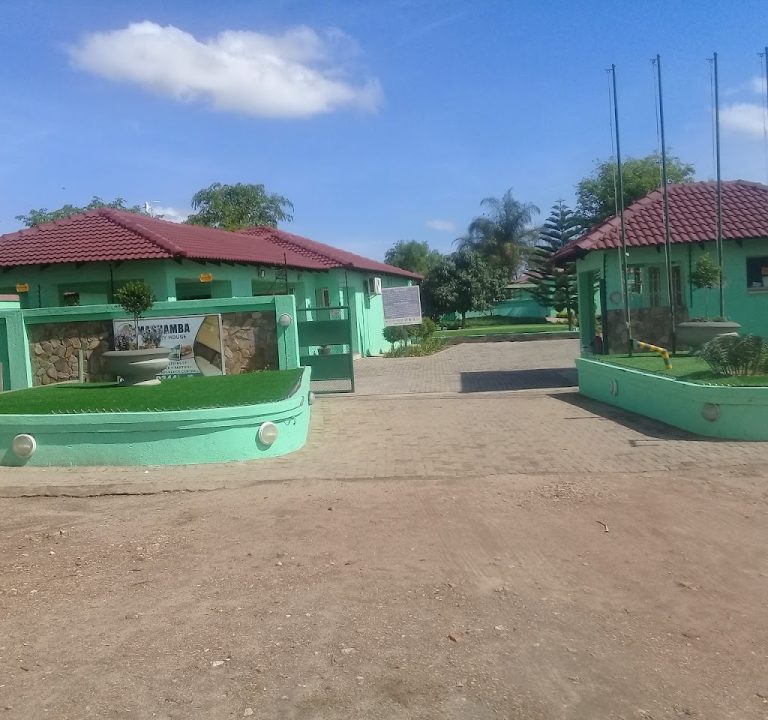
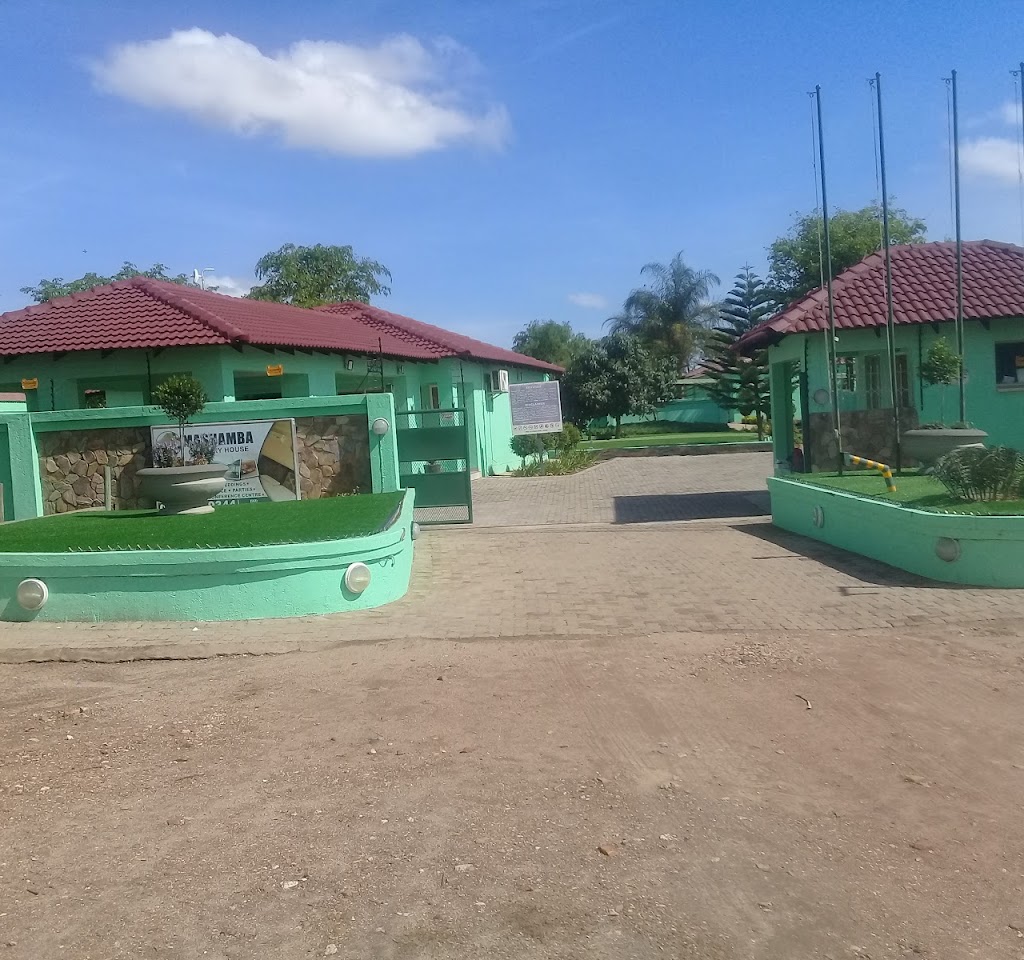
Mashamba Country House is one example of a property type you may encounter in the region: a guest-focused option that blends country-style comfort with practical amenities. When researching, consider how the property’s character and services align with your plans—whether you want a peaceful retreat, a comfortable hub for day trips, or a base with easy access to local culture and markets.
Typical amenities to look for include reliable private or en-suite bathrooms, air conditioning or fans for warm Limpopo days, and a comfortable bedding setup for restful nights after day trips. A pool or shaded outdoor seating can be welcoming during hot afternoons. Wi‑Fi is useful if you need to stay connected, but many visitors also enjoy a slower pace and the chance to disconnect. On-site dining, whether breakfast included or a café-style offering, can simplify planning, while secure parking and well-lit surroundings add peace of mind when you return after evening activities.
Transport is a practical consideration in Giyani. The town is best explored with a car, giving you the freedom to visit rural villages, local markets and nearby nature areas at your own pace. If you’re not driving, check whether your accommodation offers a shuttle service or can arrange transfers to/from regional transport hubs. Some properties are ideally placed for short walks to nearby attractions, while others may require a short drive to reach trails, viewpoints or cultural experiences.
Best time to visit Giyani depends on what you want to experience. The drier winter months can be ideal for wildlife sightings and outdoor activities with clearer skies, while the summer rainy season brings lush scenery and dramatic thunderstorms. If you’re planning outside peak travel periods, you may find quieter attractions and more flexible bookings. Temperature in Limpopo tends to be warm year-round, so packing layers for cooler evenings is sensible, especially in the shoulder seasons.
When booking, consider practical health and safety factors. A secure hotel or guesthouse with well-lit surroundings, good reception hours, and responsive staff can make a big difference. If you’re sensitive to heat or have mobility considerations, verify room layouts, accessibility features, and the availability of shaded outdoor spaces. For those visiting wildlife areas or nature reserves, ask about anti-malaria precautions and necessary vaccinations or medications, ensuring you come prepared for outdoor exploration.
Beyond the bed, plan how you’ll fill your days. Giyani serves as a convenient base for regional nature experiences, cultural encounters and authentic dining experiences. For wildlife enthusiasts, day trips to nearby nature reserves or protected areas offer chances for guided walks or scenic drives with the chance to spot regional birdlife and mammals. For culture lovers, try visits to local villages or community initiatives that showcase traditional music, crafts and everyday life—these experiences can provide meaningful insights into the region’s heritage. In terms of meals, many lodging options feature breakfast or offer a simple on-site café or restaurant, with additional nearby dining options that showcase locally inspired flavours and ingredients.
When planning an itinerary, balance time between rest and exploration. A couple of well-paced days allow you to enjoy a restful morning by the pool or in a comfortable lounge, followed by scenic drives, short walks, or a cultural afternoon. If you’re visiting during peak tourist times, book well in advance to secure your preferred room type and to guarantee access to any guided experiences or shuttle services that may be available through your accommodation.
Practical tips for a smooth stay:
- Confirm the distance from your accommodation to the main town hub and to any planned day trips to help you allocate travel time.
- Ask about back-up power and water arrangements, particularly in rural settings where load shedding or water interruptions can occur.
- Check for mesh screens and insect protection in rooms, especially if you’ll be in areas near nature reserves.
- Inquire about guided activity options, including local walks, cultural experiences and farm-to-table meals that support the community.
- Pack light but practical clothing for warm days and cooler evenings, plus sunscreen, hat and a reusable water bottle.
For further inspiration and current listings, you can explore general tourism resources for Limpopo and the Giyani region, which often feature a range of accommodation options, suggested itineraries and practical travel tips. A stay in this part of Limpopo offers a welcoming mix of tranquillity, nature and culture—all set within a landscape that invites you to pause, observe and enjoy the hospitality of local hosts.