Discovering Rustenburg: Accommodation, Attractions, Restaurants and Helpful Tips for Visitors
Rustenburg, nestled in the North West Province of South Africa, offers a diverse range of accommodation to suit different travellers, from intimate bed and breakfasts tucked behind leafy streets to comfortable guesthouses and family-friendly lodges. The town sits near the Magaliesberg mountains and serves as a convenient gateway to natural reserves, cultural experiences and the wider region’s farming heritage. When planning a stay, consider areas that align with your plans—whether you want easy access to central Rustenburg’s amenities, a quieter residential feel, or proximity to nature and hiking trails.
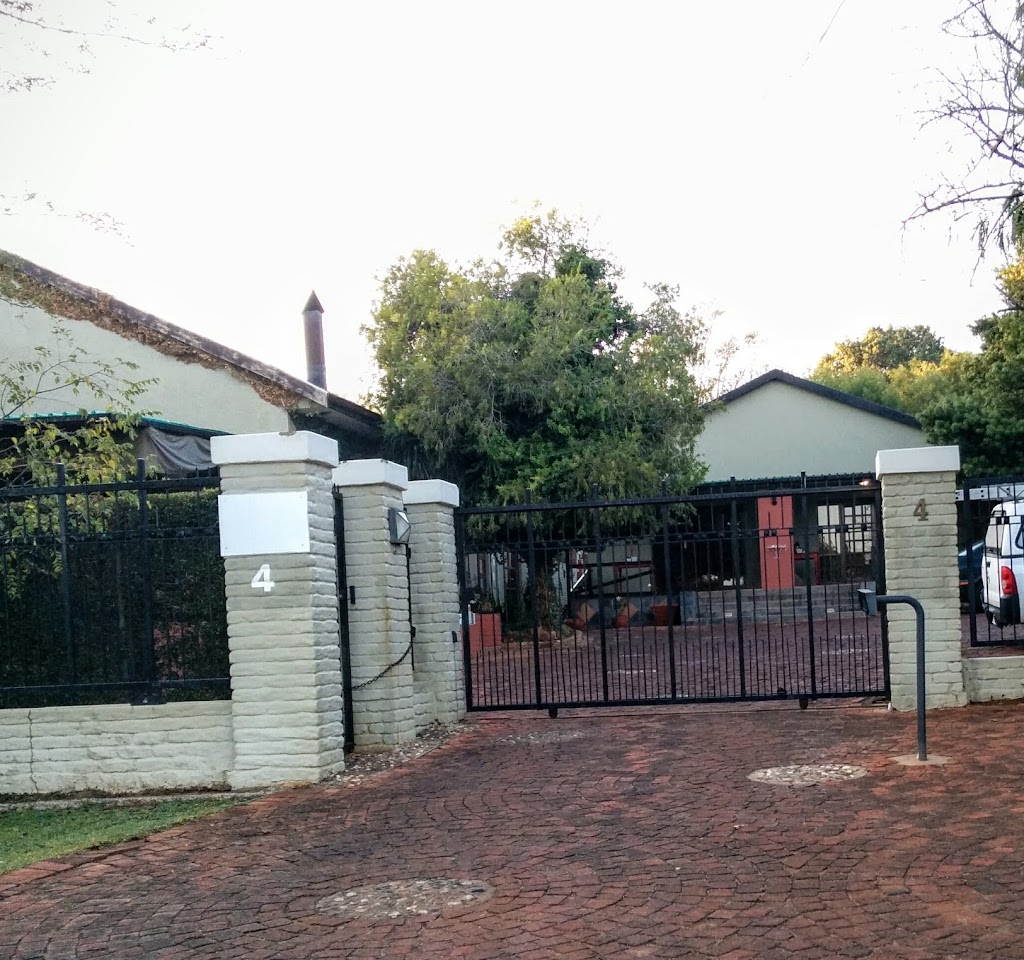
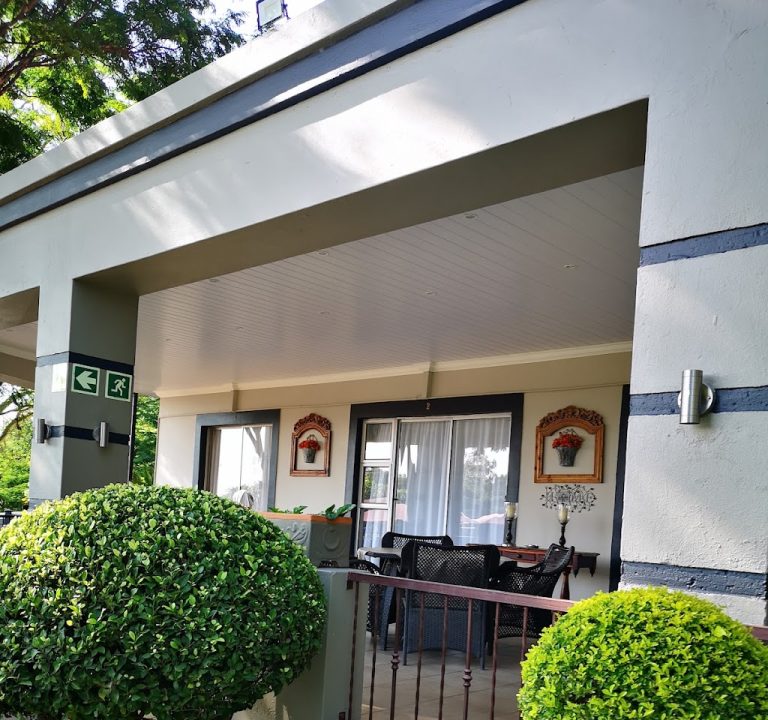
For those staying at a B&B such as Mary’s View B&B, expect a personalised welcome, often with a homely breakfast and an emphasis on friendly service. Such establishments commonly offer ensuite rooms, shared social spaces, and a sense of local character. Guesthouses and mid-range hotels in or around the central business district provide reliable comfort, secure parking, and straightforward access to shops, supermarkets and eateries. If you prefer a more immersive experience, look for lodges or countryside guesthouses on the outskirts or near the Magaliesberg foothills, which can provide a peaceful base for day trips and outdoor activities.
When choosing where to stay, clarity about the room type and what’s included is valuable. Check whether breakfast is included, if there is a 24-hour reception, and what the security arrangements are like. Some properties offer pool access or outdoor spaces which are especially pleasant in warm months. If you are travelling with family or friends, you may wish to prioritise self-contained units or rooms with multiple beds, while business travellers might value reliable Wi‑Fi, workspaces, and proximity to business parks or conference facilities.
Typical amenities you may encounter include air conditioning or fans, private bathrooms with essential toiletries, clean linen, and parking on site. Some properties provide kitchen facilities or access to communal kitchens, which can be convenient for longer stays or for guests with specific dietary needs. Beyond the bedroom, consider guest services such as luggage storage, airport-style shuttle options, or tips from hosts about local experiences. In Rustenburg, a warm and helpful host can enhance your stay by guiding you to current dining favourites, markets, and short scenic drives.
Transport in and around Rustenburg is straightforward but benefits from a little planning. The town is connected by road to surrounding towns and to Johannesburg and Pretoria via major routes. If you plan day trips to nearby attractions, a private car offers flexibility, though local car hire or taxi services can be convenient for shorter excursions. If you arrive by air, the closest larger hubs offer onward connections by road. Within Rustenburg, most places of interest are reachable in a short drive, and many accommodations provide parking arrangements or assistance with local transfers.
Best time to visit Rustenburg tends to be in the drier months, when outdoor activities, open-air markets and nature walks are most comfortable. Summer brings warm days with occasional showers, while winter is generally mild and dry, making it pleasant for sightseeing and hiking. If your trip centres on nature reserves or hiking in the Magaliesberg region, planning around weather forecasts and sunrise or sunset hours can maximise your outdoor time while avoiding mid-day heat.
Beyond where to stay, the Rustenburg area offers a spectrum of activities that suit many interests. Natural landscapes provide opportunities for short hikes, birdwatching, and scenic drives, while nearby reserves present the possibility of guided safaris or educational nature visits. For a relaxed day, you might explore local markets or craft shops to observe regional produce and handmade goods. Cultural interests in the area are complemented by dining experiences that reflect local flavours and agricultural connections, often focused on fresh ingredients and seasonal menus.
When it comes to dining, you can expect a range of options from traditional South African-inspired dishes to contemporary casual fare. Many restaurants and eateries in and around Rustenburg highlight local produce and offer hearty, comforting meals that travellers appreciate after a day of exploring. If you are staying in a B&B or guesthouse, the host can usually point you to popular neighbourhood spots and advise on good-value options for breakfast, lunch, or dinner. For those planning longer stays, consider venues with ongoing menus that change with the seasons, to enjoy something new without travelling far.
Planning practical details can help you maximise your stay. Bring comfortable walking shoes for light hikes and strolls, a light layer for cooler evenings, and toiletries suitable for a variety of stays. If mobility is a consideration, confirm room accessibility and elevator access with your chosen accommodation. For longer trips, check the kitchen or self-catering facilities available at your lodging, and recognise the differences between a B&B’s inclusive breakfast and a self-contained unit where you prepare your own meals. Finally, book ahead during peak travel periods to secure preferred room types and to ensure hosts can tailor local recommendations to your interests.
- Areas to consider: central Rustenburg for convenience; residential suburbs for a quieter stay; outskirts near the Magaliesberg for nature access.
- Booking considerations: breakfast inclusion, parking, Wi‑Fi reliability, room configuration, and pet policies if applicable.
- Typical amenities: ensuite bathrooms, air conditioning or fans, clean linen, secure parking, and guest lounge areas.
- Transport tips: plan road connections for day trips, consider car hire or trusted local transfers, and verify proximity to main routes.
- Best time to visit: drier months for outdoor activities; spring and autumn offer pleasant temperatures for walking and exploring.
- Practical tips: verify accessibility if needed, ask hosts for local dining and activity suggestions, and use local markets and eateries to sample regional flavours.