Hoedspruit: Where to Stay and What to Experience in Limpopo
Hoedspruit, a gateway town in Limpopo, merges wildlife-rich landscapes with convenient access to world‑class safari experiences. Whether you are seeking a luxury lodge, a cosy guesthouse, or a self-catering stay near nature reserves, the area offers a range of options that suit short breaks and longer getaways. Maroelani Gate, a lodge in the region, exemplifies the type of accommodation that blends comfortable rooms with easy access to wildlife adventures and local culture.
When planning a stay, consider the area you want to base yourself in. Hoedspruit town itself is practical for last‑minute provisions, airport transfers, and proximity to wildlife reserves. If your primary aim is game viewing, you may prefer accommodation closer to the Big Five reserves and private game lodges that lie along the western and southern fringes of the town. For a quieter, more secluded feel, look for lodges set in private reserves or on larger properties with restricted access roads. Each setting has its own charm: some offer guided safaris and expert hosts, while others provide more self-guided movement with scenic viewpoints and sunset etiquette in mind.
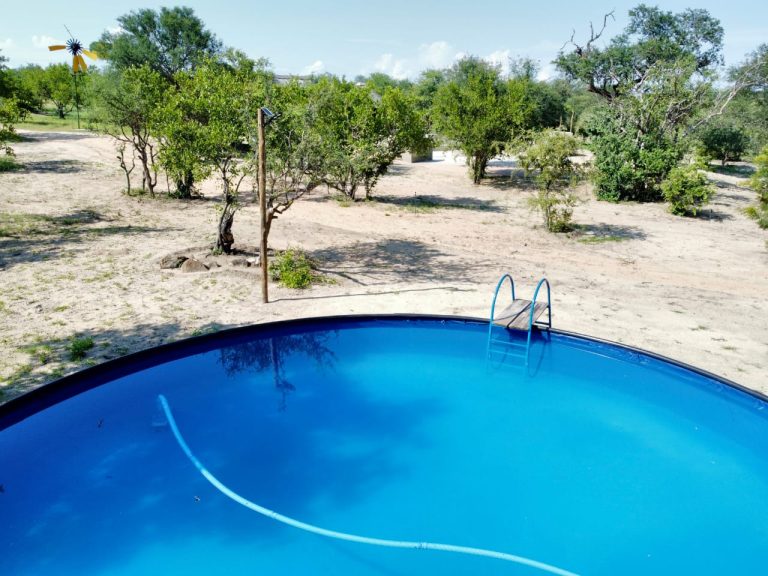
Typical amenities to look for include comfortable en-suite rooms, air conditioning or fans for the hot summer months, and reliable hot water. Many lodges and guesthouses in the Hoedspruit area provide all‑inclusive or semi‑inclusive packages, which may include game drives, meals, and park fees. For family trips, check on family‑friendly rooms, child‑safe surroundings, and private verandahs or pools. If you’re travelling with a vehicle, confirm parking arrangements and whether your host offers guided activities that can be joined directly from the property.
Transport is a practical consideration. Hoedspruit is served by a regional airport with connections to major hubs, making air‑in and air‑out arrangements straightforward for shorter itineraries. If you plan to explore beyond town, a rental car is invaluable for flexible day trips to nearby attractions. Some lodges provide transfer services or guided safari options, which can simplify logistics and enrich the experience with knowledgeable guides. For those preferring a slower pace, a base with easy walking access to viewpoints, birding spots, and nature trails can be very rewarding.
The best time to visit Hoedspruit hinges on your wildlife interests and weather tolerance. The dry winter months (roughly May through September) tend to offer excellent visibility for wildlife viewing, fewer mosquitoes, and pleasant daytime temperatures, though cooler nights can call for layering. The summer rains (roughly November to March) bring lush landscapes, dramatic skies, and the chance to see newborn animals; they can also bring higher humidity and occasional thunderstorms. Shoulder seasons offer a balance of creature comfort and active wildlife, with fewer crowds than peak safari periods.
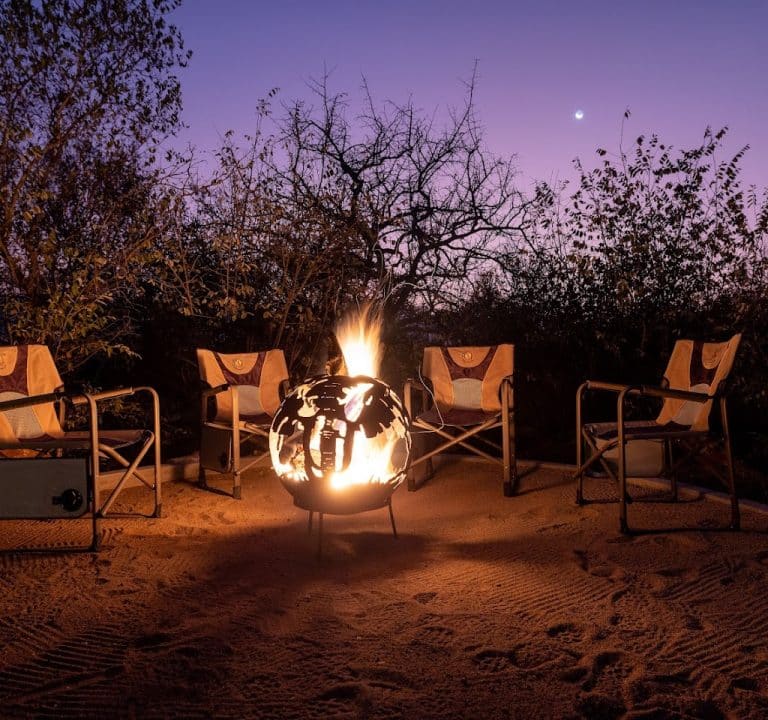
Accommodation in Hoedspruit often balances comfort with a sense of place. Lodge stays may emphasize the connection to nature, featuring open‑air decks, private pools, or boma-style dining under the stars. Guesthouses and smaller inns frequently offer personal service, intimate dining spaces, and a more homely atmosphere. If you have specific interests—birding, photography, or tracking on foot—check with your host about specialised programmes or partner activities in nearby reserves. Some properties arrange twilight drives, sunrise safaris, or cultural excursions to nearby communities, which can add meaningful context to a wildlife holiday.
Food and dining in the area generally lean toward light to hearty South African cuisine, with emphasis on fresh, local ingredients. Many lodges include meals as part of a package, while independent guesthouses may offer in‑house cooking facilities or guest lounges with cafe‑style menus. If you prefer self‑catering, look for properties with well‑equipped kitchens or kitchenettes, alongside communal dining spaces where you can mingle with other travellers. For an evening out, you’ll find more formal restaurant settings in Hoedspruit town and nearby lodges, often featuring regional flavours and seasonal dishes inspired by the local landscape.
Planning a stay in Hoedspruit also means thinking about practicalities. Pack layers for the variable climate—days can be warm while nights, especially in winter, can be cool. Sunscreen, a hat, and insect repellent are handy for outdoor exploration. Bring a good camera with a zoom lens if you’re keen on wildlife photography, and ensure you have flexible plans for morning and evening drives when animals are most active. If you’re visiting with little ones, confirm child‑friendly policies at your chosen accommodation and whether there are safe outdoor spaces for play.
To help you plan, here are a few practical tips:
- Choose a base that aligns with your wildlife aims—proximity to reserves can reduce drive times for daily safaris.
- Read reviews focusing on service quality, maintenance, and the consistency of guided activities.
- Confirm what is included in your stay—meals, drives, park fees, and transfers can significantly affect the overall cost.
- Check accessibility and parking if you are self‑driving or renting a vehicle.
- Look for opportunities to blend wildlife viewing with cultural experiences or nature walks for a richer itinerary.
For more information on Hoedspruit as a destination, you can explore visitor resources and tourism pages that map out both the natural highlights and the hospitality options. Whether you are seeking luxury comfort at a lodge like Maroelani Gate or a snug guesthouse with river views, Hoedspruit serves as a versatile base from which to discover northern Limpopo’s wildlife corridors and scenic landscapes. Plan with care, book in advance during peak seasons, and prepare for memorable wildlife encounters and authentic South African hospitality. Visit the town’s tourism portals or individual lodge websites to tailor your stay to your preferences.