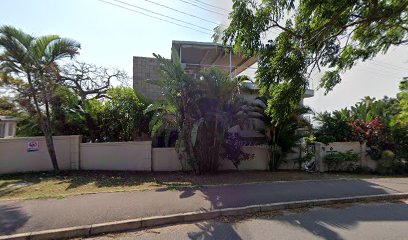
Staying in Durban North: where to stay, what to do, and practical tips for your visit
Durban North sits just north of central Durban, offering a relaxed coastal ambience with easy access to both city sights and the broader KwaZulu-Natal coastline. The area is known for leafy residential streets, shorefront walks, and a selection of guesthouses, self-catering stays, and family-friendly lodges that make a comfortable base for exploring the region. Whether you prefer a quiet garden setting, proximity to the seafront, or a modern apartment with a kitchen, Durban North provides options that suit a range of budgets and travel styles.
When planning a stay, map out your priorities. If you want to wake to sea breezes and occasional views of the water, look for properties within short walks of the coast or with balconies facing the sea. If convenience is more important, aim for places near major routes or with easy access to public transport. Self-catering options are particularly practical for longer visits or family trips, allowing you to prepare meals and store supplies as needed.
Booking considerations include the typical duration of your stay, cancellation policies, and what counts as a full package for the price. Check what is included in the rate—air conditioning, reliable hot water, and security features are especially important in Durban’s subtropical climate. Look for guesthouse or self-catering units that advertise dedicated parking or on-site secure spaces, as street parking can be limited in certain parts of the suburb. If you rely on public transport, confirm proximity to bus routes or rideshare access, and consider whether a vehicle is desirable for day trips beyond Durban North.
Common amenities to expect in Durban North accommodations include independent entrances for privacy, well-equipped kitchens or kitchenettes, comfortable bedding, Wi‑Fi, and daily housekeeping options. Outdoor facilities such as a pool, garden seating, or a barbecue area can add value for families and groups. For guests who prefer a more hands-off experience, some properties offer concierge-style services for arranging tours or restaurant bookings, while others provide guest information packs with tips on local transport, markets, and eateries.
Practical considerations extend to transport and logistics. If you plan to explore beyond Durban North, a car is often the most convenient way to travel. The area is well connected by major roads to central Durban, the beaches along the northern coast, and the nearby Umhlanga precinct. For those who choose not to drive, verify the availability of reliable ride-hailing options, and ask hosts about nearby taxi or shuttle services. Pack for variable weather— Durban’s coastal climate can shift from warm, muggy days to cooler evenings, especially during winter or when a sea breeze picks up. Sun protection, light clothing, and a light jacket for cooler nights are sensible inclusions.
Speaking of timing, the best time to visit Durban North is typically during the city’s dry season, when outdoor activities are most comfortable. However, the region enjoys a warm, subtropical climate almost year-round, making it possible to enjoy outdoor strolls, garden settings, and waterfront walks at many times of the year. If you are visiting for nature or birdwatching, consider the local coastal habitats and nature reserves in the wider Durban area, which offer a mix of scenic trails and wildlife viewing opportunities.
Areas to consider within Durban North include quieter residential streets that are still within a short walk or drive of the coastline, parks, and local shops. If you prefer a stronger sense of the beachfront, you might want to prioritise properties closer to the seafront or coastal promenade. Those travelling with families often favour well-reviewed self-catering units with separate sleeping areas and a kitchen that makes self-catering convenient, while couples may opt for boutique guesthouses with more intimate settings and personalised service.
Attractions and experiences in the broader region generally offer a mix of coastal recreation and cultural immersion. You can expect opportunities to stroll along the shore, enjoy subtropical gardens, and access other Durban highlights with ease. Dining options in and around Durban North range from casual takeaways to more established restaurants and bistros that celebrate local seafood, Indian-influenced flavours, and contemporary South African cuisine. When planning meals away from your accommodation, it’s useful to consult guest information folders or your host’s recommendations for local favourites and nearby markets or food halls.
- Look for properties with clear cancellation policies and transparent inclusions in the price
- Choose a place with easy access to parking or reliable transport options
- Prioritise amenities such as a convenient kitchen, dependable Wi‑Fi, air conditioning, and secure entry
- Ask about housekeeping frequency, laundry facilities, and garden or outdoor seating
- Plan day trips to nearby beaches, parks, or nature reserves and check route options in advance
In summary, Durban North offers a welcoming mix of self-catering and guesthouse styles that suit a range of travel plans, from short city breaks to longer beach-focused getaways. By choosing an address that aligns with your transport needs, desired level of privacy, and access to planned activities, you can design a stay that feels both relaxed and purposeful. For many visitors, the best approach is to balance restful downtime with light exploration of the coast, while keeping flexibility for spontaneous seaside strolls or markets along the route. If you are looking to research and book, consider reputable accommodation platforms and the properties’ own websites for the most accurate, up-to-date information.