Staying in Dullstroom: accommodation, planning tips and local highlights
Dullstroom, tucked high in Mpumalanga’s escarpment, is renowned for its laid‑back village atmosphere, pristine landscapes and a strong focus on nature, outdoor activities and cosy North‑South flavour in its eateries. When planning a stay, think about the type of experience you want, from self‑catering weekends to intimate guesthouse breaks, and map out convenient bases close to the activities you plan to pursue. The town’s compact size makes it easy to get around on foot or by short drives, with several focal areas offering different vibes, facilities and access to trails, pubs and dine‑in options.
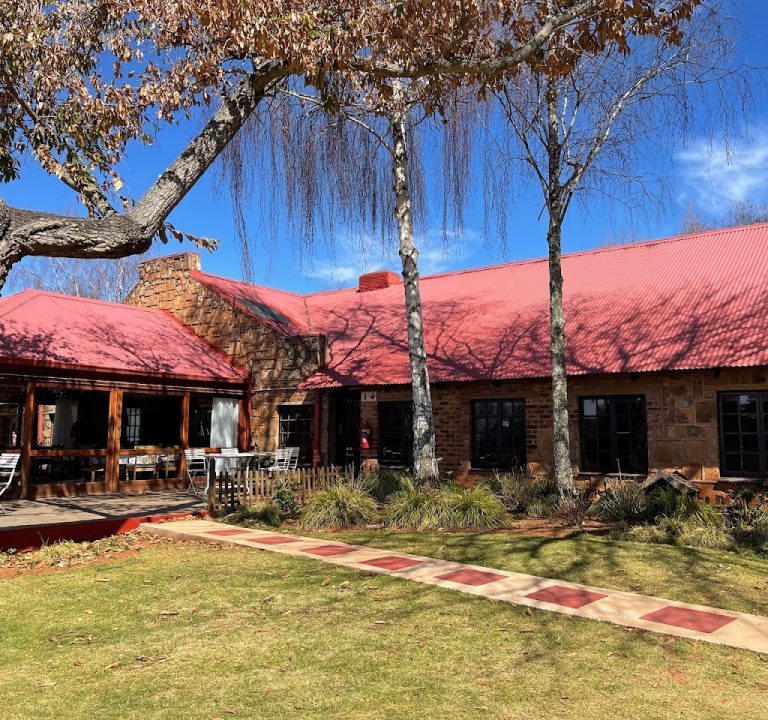
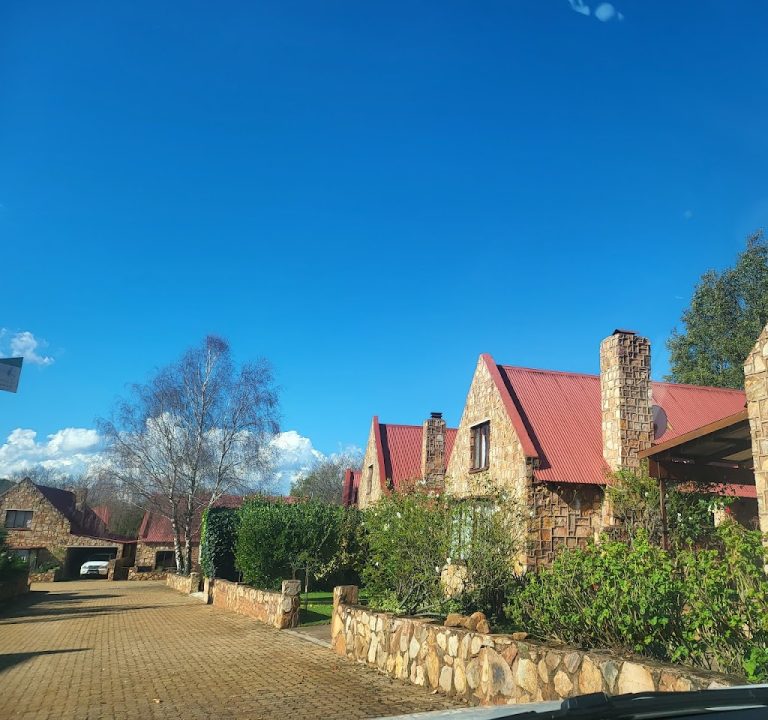
Areas to consider when booking include the village core near the Main Road, which tends to offer a concentration of guesthouses, cottages and self‑catering units within easy reach of cafés, restaurants and the central square. For a quieter, more woodland‑themed stay, consider properties on the outskirts or along rural lanes where birdlife and views become part of the daily routine. In some instances, self‑catering homes sit on working farms or hideaways with private verandas and outdoor spaces that invite morning coffee or sunset cocktails with a backdrop of green hills and clear skies. If access to the outdoors is a priority, look for places that provide direct access to trails, lawned areas for kids, or secure parking for a relaxed, self‑driven itinerary.
When you’re choosing a place to stay, there are several features to look for. Essential amenities often include reliable heating or fireplaces for cooler months, especially given Dullstroom’s highland climate; well‑equipped kitchens or kitchenettes for self‑catering breaks; comfortable bedrooms with adequate storage; and clean, modern bathrooms. If you’re visiting with family or groups, check that there is enough living space, seating and dining capacity, and, where relevant, facilities such as a laundry area or outdoor space for al fresco meals. For longer stays, a property with good wi‑fi and workspace can be particularly convenient, particularly if some travellers need the odd quiet hour to catch up on emails or work tasks.
Practical planning tips help make the most of a Dullstroom stay. Consider the transport options available; many visitors prefer to hire a car to explore surrounding lakes, nature reserves and scenic drives at their own pace. While some attractions and eateries are walkable from central accommodation, a short drive can unlock a wider choice of activities and districts. If you’re arriving by public transport, map out how you’ll reach your base and check if your chosen property offers any local shuttle recommendations or parking information. Booking in advance is wise for peak periods, especially during long weekends and school holidays, when demand for well‑located self‑catering properties or guesthouses can rise markedly.
Best time to visit: Dullstroom’s year‑round appeal stems from its scenic beauty and outdoor opportunities. Spring and autumn are popular for hiking, birdwatching and milder temperatures, while winter brings a crisp, clear atmosphere that can be ideal for long walks, cosy evenings in front of a fire, and enjoying the town’s boutique‑style dining options. If you’re keen on waterside activities, check seasonal availability at nearby lakes and reservoirs. For those chasing wildlife or distinctive landscapes, some activities are best framed by weather conditions, so a flexible itinerary helps. Always pack adaptable layers and sun protection for daytime hours even in cooler months, and prepare for sudden showers by selecting accommodation with protective outdoor spaces or sheltered seating.
When it comes to staying connected to the local scene, Dullstroom offers a rich mix of dining and drinking venues that emphasise warmth, quality ingredients and a relaxed pace. In general terms, expect inns and eateries to serve hearty, regional dishes, with options for light snacks and full meals. The town’s culinary character often blends traditional favourites with contemporary twists, setting a pleasant backdrop after a day spent outdoors. If you enjoy a stroll after dinner, you’ll find strollable streets, occasional live music venues, and cafés that stay welcoming into the late afternoon or early evening. For practical meals in self‑catering properties, many hosts provide starter supplies or basic pantry ingredients, making short breaks stress‑free and comfortable.
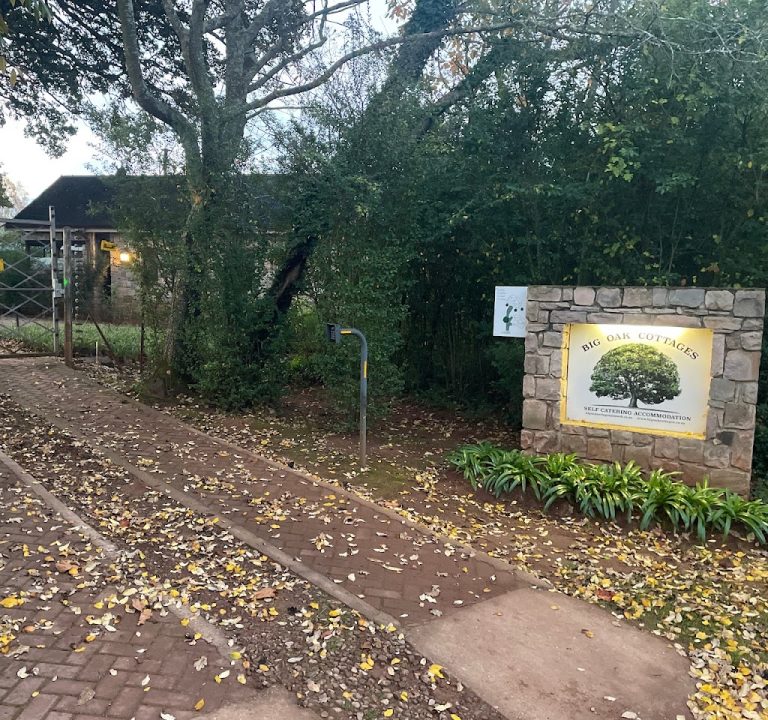
Accommodation types to consider include self‑catering houses, cottages with private gardens, boutique guesthouses and larger rural lodges. Self‑catering units give you control over meal planning and timings, which can be a real advantage after busy days of exploring. If you prefer companionship and daily housekeeping, a traditional guesthouse or boutique hotel with in‑house dining and common areas can offer a friendly base with a home‑from‑home feel. Many properties emphasise the opportunity to relax in tranquil surroundings, with outdoor seating, fire pits or verandas that invite conversation and evening stargazing.
- Check the property’s cancellation policy and any seasonal restrictions.
- Verify heating, hot water and kitchen facilities for your group size and planned activities.
- Ask about parking, security measures and access after dark.
- Look for properties with clear notes on accessibility, particularly if you have mobility considerations.
- Seek added value such as in‑room laundry, barbecue facilities or guided activity suggestions from hosts.
For planning resources, consider consulting regional tourism sites or local visitor information pages for Dullstroom. They can offer up‑to‑date guidance on trails, seasonal events and general advice for travellers. When selecting a stay, balance your priorities—scenic quiet, proximity to trails, access to shops and eateries, and the flexibility of self‑catering—with your budget to craft a comfortable, relaxed visit to this scenic Mpumalanga corner.