Accommodation and Experiences in Thohoyandou, Limpopo: Planning Your Stay and Making the Most of the Area
Thohoyandou, set in the Limpopo province, offers a mix of friendly guesthouses, comfortable hotels, and lodges that suit a range of travellers, from families exploring the Venda region to solo visitors seeking a relaxed base for day trips. When planning a stay, consider which neighbourhoods or towns nearby suit your itinerary. Thohoyandou town centre provides convenient access to shops and services, while surrounding settlements such as Sibasa and the broader Vhembe District offer a quieter pace and easy access to nature reserves, fruit markets, and cultural experiences.
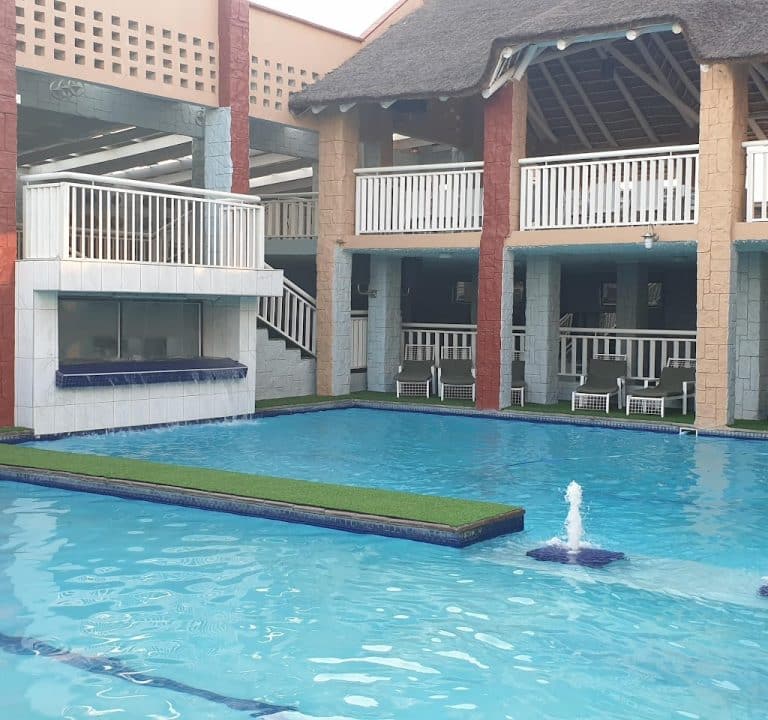
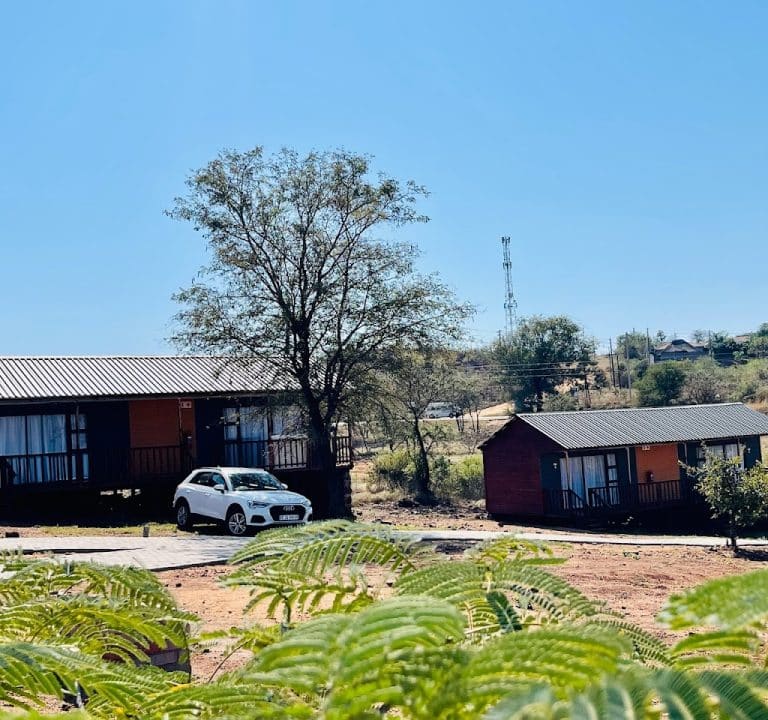
Accommodation in the area tends to emphasise a warm, authentic welcome and a straightforward approach to comfort. Expect well-maintained rooms, on-site dining options ranging from light snacks to full meals, and staff who are familiar with the needs of travellers. Some properties may specialise in guesthouse hospitality, while others function as small hotels or lodges with more formal dining spaces or conference facilities. An example lodging to consider is MAPUNGUBWE ON SOFALA, which represents a hotel-style option in the broader region. Always check current reviews and confirmation of facilities before booking to ensure the offering matches your expectations.
When choosing where to stay, think about access and transport. If you plan to drive, a central location with easy road access and on-site parking can simplify day trips. If you prefer public transport, consider the availability of reliable local shuttle services or minimised walking distances to attractions from your base. Thohoyandou is connected by regional roads and is reasonably approachable from larger hubs, but you should plan for variable travel times, particularly during peak periods or after rain when roads can be affected in rural areas.
Typical amenities across decent lodging choices in the area include daily housekeeping, secure parking, a restaurant or tea/coffee facilities, and reliable Wi‑Fi. Some properties offer air-conditioned rooms for comfort in the hotter months, while others provide fans and shaded outdoor spaces. If you need accessibility features, it is wise to check room layouts, door widths, and bathroom fittings in advance. For travellers with children, ask about family rooms, cribs, or babysitting services where available. If you rely on sleep quality for long travel days, reading recent guest reviews can provide useful insight into noise levels, bed comfort, and the responsiveness of staff.
Planning tips for the best stay include sizing your itinerary to the pace of the region. The area is known for its rich cultural heritage and scenic landscapes, including nature reserves and opportunities for wildlife-spotting in modest reserves or nearby game farms. Balance time in town with day trips to rural villages, viewpoints, or protected areas, but always check current safety and access information. Pack practical items for variable weather, especially if visiting during the rainy season, when some outdoor routes may be affected. A compact, flexible itinerary often works best, leaving room for unexpected markets, music events, or local eateries that showcase Venda flavours.
What to look for when booking (a quick checklist):
- Location and proximity to your planned activities
- Room size, bed configuration, and en-suite facilities
- On-site dining options and meal plan flexibility
- Parking security and general safety features
- Wi‑Fi reliability and work-friendly spaces if needed
- Cancellation policy and credit/alternative date options
- Accessibility features for mobility needs
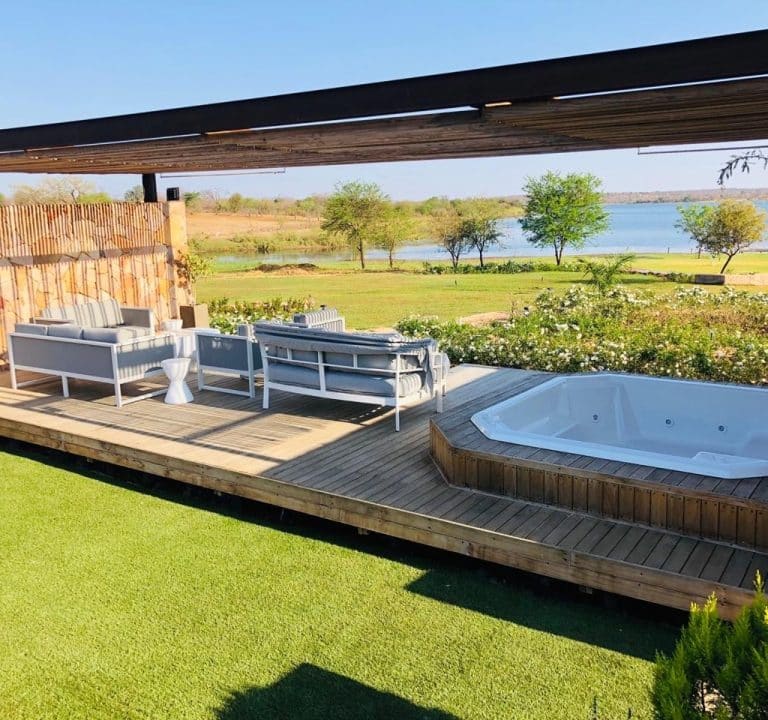
- Outdoor spaces, such as verandas or gardens
In terms of activities, visitors typically find that the region offers a mix of cultural engagement, markets, and nature-led experiences. You may encounter traditional crafts, music, and dance performances in local venues or community spaces, alongside opportunities to learn about Venda culture and history through guided village visits or museum displays. Nature and scenery are another draw, with possibilities for short hikes, scenic drives, or birdwatching in nearby plains and woodlands. Restaurants in the area tend to emphasise generous portions and local ingredients, offering dishes that reflect regional flavours and home-style cooking. As with many travel destinations, the best culinary discoveries often come from asking locals for recommendations or exploring small, family-run eateries alongside larger hotels’ dining rooms.
Best time to visit Thohoyandou is guided by what you want from your trip. The climate features warm, sometimes hot summers and mild winters. The rainy season can bring lush landscapes but occasional downpours, so plan outdoor plans with flexibility. Festivals and markets peak at different times of the year, so checking local event calendars before travel can help you align your stay with cultural happenings. If you are seeking drier days for outdoor exploration, scheduling visits in the cooler dry months can be advantageous for comfort and travel timing.
Practical planning tips:
- Book accommodation with clear cancellation terms and a check-in window that suits your travel times.
- Confirm transportation arrangements in advance, especially if you plan to rely on public or shared transport.
- Bring a light layer for cooler evenings and a waterproof layer for unexpected rain in the shoulder seasons.
- Use reputable travel websites or the hotel’s official site to verify facilities and services.
- Respect local customs and engage with communities considerately, especially when visiting villages or markets.
- Keep a small amount of local currency for markets and casual purchases, as card acceptance varies in some smaller venues.
Whether you are seeking a comfortable base near the town’s amenities or a peaceful retreat closer to the surrounding natural beauty, Thohoyandou offers approachable accommodation and a gateway to the broader Limpopo experience. Use the central districts for convenience, or explore the wider region for quieter retreats and authentic encounters with Venda culture and landscape.