Accommodation and Experiences in Soweto, Gauteng: Planning Your Stay
Soweto, a vibrant pocket of Johannesburg’s history and culture, offers a range of accommodation that suits travellers seeking hospitality with a sense of place. From boutique guesthouses to comfortable hotels and simpler bed-and-breakfast stays, you’ll find options that place you close to iconic sites, markets, and the energy of daily township life. When planning a stay, think about which neighbourhood will best match your interests, how you’ll move around, and what comforts you want after a day of exploring.
Areas to consider include southern and central parts of Soweto, such as distinctions between quieter residential streets, markets and pedestrian-friendly zones, and areas with easy access to public transport. The area around Vilakazi Street is famous for its history and proximity to the former homes of Nelson Mandela and Desmond Tutu, while places closer to Maponya Mall and transport hubs can be convenient for travellers who want straightforward access to trains and major roads. If you prefer a quieter, residential feel with a more local flavour, look for guesthouses or small hotels that emphasise guest-host interactions, guided walks, and curated experiences. For those who want nightlife or dining options nearby, seek accommodations near the central corridors where restaurants and markets are more concentrated.
When booking, look for properties that clearly describe safety measures, guest services, and accessibility. Typical amenities in Soweto accommodations include private or en-suite bathrooms, reliable Wi‑Fi, air conditioning or ceiling fans, secure parking or easy access to street parking, breakfast options, and on-site staff who can offer local tips. Some places also arrange guided tours, cultural experiences, or paired restaurant visits to help you make the most of your stay. If you’re visiting with family or a group, check room configurations, capacity, and whether a property offers family-friendly spaces or self-catering facilities.
Transport is a practical consideration. Soweto is well served by road connections and is reachable from central Johannesburg by car or taxi services. Some accommodations provide shuttle services or can arrange private transfers. If you prefer public transport, check proximity to bus routes or railway stations and whether the property can assist with reliable local guides who can accompany you on safe, informative walks and day trips. Off-street parking can be a real convenience—particularly if you plan to rent a car or intend to navigate the area at dawn or dusk for photography or markets.
Best time to visit Soweto is influenced by climate and events. The South African summer (November to March) brings warmth and occasional rain, ideal for outdoor markets and walking tours, but be prepared for heat and short bursts of rain. The winter months (May to August) are cooler and dry, which can be pleasant for city strolls and museum visits. If you’re curious about specific local happenings, you’ll often find community markets, theatre performances, and historical exhibitions running on weekends or during festival periods. Always check with your accommodation for current events and safety advisories before planning late-evening activities.
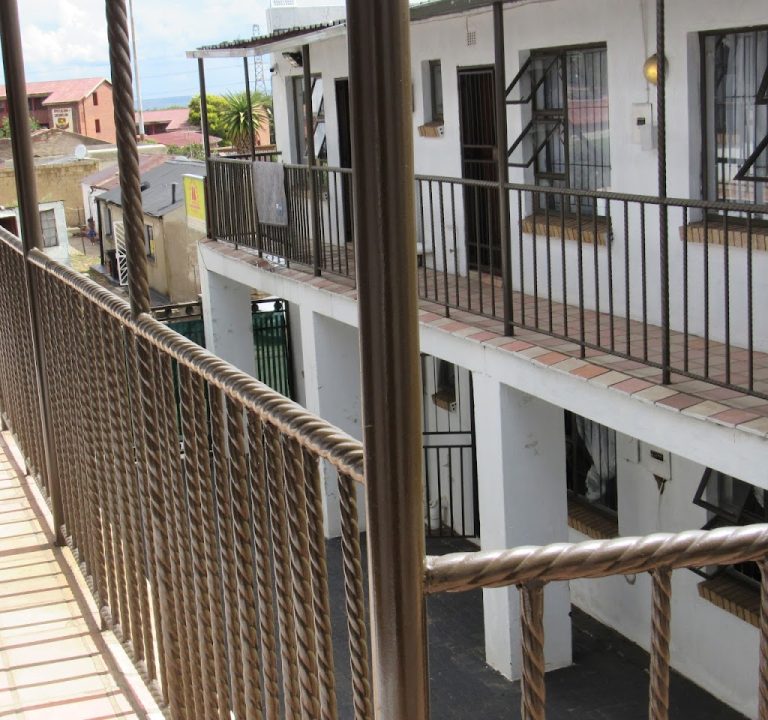
For a concrete example of accommodation with a strong local orientation, consider booking with Maponya Guest House. This property represents a tour-style stay within Soweto, offering a gateway to nearby experiences and a foothold in the area’s hospitality scene. You can explore the property’s official site to learn about room configurations, availability, and what guests say about their stay, while keeping in mind that details such as rates and exact inclusions will vary by season and demand. Website: Maponya Guest House.
Attractions and experiences you might enjoy during a stay include walking tours that trace Soweto’s historical arc, visits to sites associated with South Africa’s freedom movement, and local markets where artisans showcase crafts and foods. While we avoid listing specific prices or guarantees, expect opportunities to learn about Soweto’s culture through guided storytelling, architecture, and neighbourhood lifeways. For dining, many stay-close venues offer traditional dishes and modern takes on local favourites; most establishments welcome visitors and offer a taste of Soweto’s hospitality without needing to travel far from your lodging.
Practical tips to help you make the most of your stay:
- Choose a stay with secure parking or clear guidance on safe, walkable routes to nearby sights.
- Look for hosts or staff who can arrange authentic, guided introductions to local markets and community-led experiences.
- Pack comfortable walking shoes for uneven streets and outdoor markets; be mindful of sun protection and hydration in warmer months.
- Bring a light adaptor for South African plugs and plan for mobile data so you can navigate with maps and public transport apps.
- Respect local customs and ask for permission when visiting residential areas or informal vendors.
In summary, Soweto offers a warm welcome, a sense of history, and a wide range of accommodation options that pair with enriching local experiences. Whether you opt for a cosy guesthouse with a personalised approach or a boutique hotel near transport routes and markets, planning thoughtfully around neighbourhoods, transport, and what you want to see will help you craft a rewarding stay in this dynamic part of Gauteng.