Staying in Pretoria: accommodation options, areas to consider, and a guide to experiences
Prestigious yet approachable, Pretoria in Gauteng offers a mix of historic atmosphere, leafy suburbs, and convenient access to the capital’s sights. When planning a stay, the choice of neighbourhood can shape your experience just as much as the accommodation itself. Whether you favour a cosier guesthouse in a tranquil residential street, a modern apartment close to university campuses, or a boutique hotel near central landmarks, Pretoria has options to suit a range of budgets and itineraries.
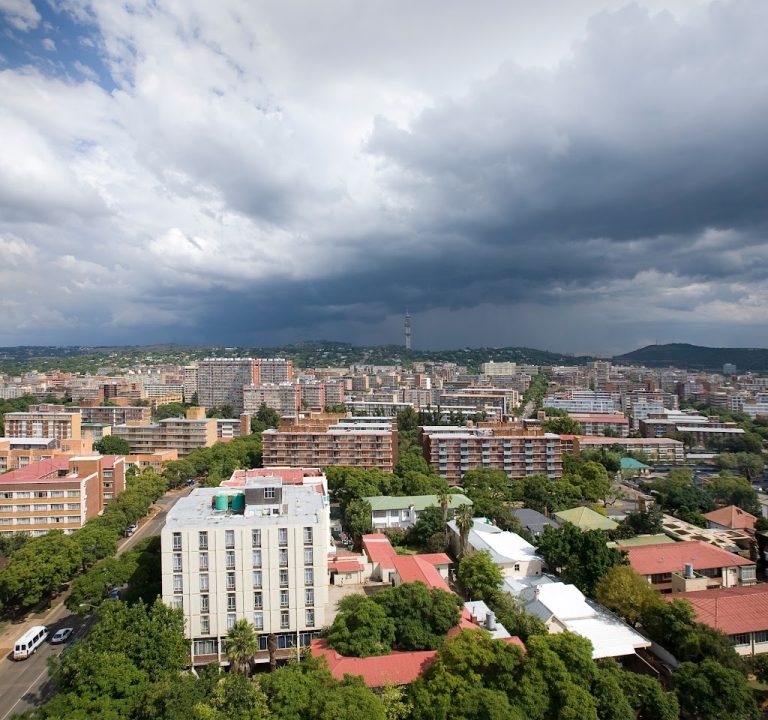
Areas to consider include central neighbourhoods for easy access to sights and dining, upmarket precincts that blend security with stylish design, and university-adjacent districts that are lively, budget-friendly, and well connected by public transport. The Malvern area, for instance, can be appealing for visitors seeking a quieter residential feel while still being within reach of the city centre. Hatfield is popular for its student-friendly energy, eateries, and convenient access to the Gautrain. Brooklyn and Waterkloof offer a mix of boutique stays, embassies, and leafy avenues, often with reassuring neighbourhood security. Sunnyside and Church Square provide walkable access to historical architecture, markets, and casual dining, though some travellers prioritise lighter evening traffic in these areas. When selecting accommodation, consider how long you plan to stay, your daily plans, and how you’ll move around the city.
Typical amenities to expect in Pretoria’s lodging range from practical essentials to small luxuries. Look for en-suite bathrooms, reliable Wi‑Fi,parking options whether on-site or secure street parking, and good lighting for work or reading. Some guesthouses and boutique hotels offer breakfast, which can simplify mornings before a day of exploring. If you plan to drive, check whether the property offers parking and if it is gated or secure. For travellers relying on public transport, proximity to a Gautrain station or bus stop can save time and reduce fare costs. Where available, in-room cooling or heating, tea and coffee facilities, and a compact workspace can make longer stays more comfortable. For those seeking a more intimate experience, many guesthouses offer personalised service, locally sourced meals, or curated recommendations for nearby attractions and eateries.
Practical planning tips:
- Research transfer options from the airport or major rail hubs in advance, and consider how you’ll traverse the city to your key sites.
- Compare cancellation policies and seasonal rates, as Pretoria’s prices can fluctuate with events or holidays.
- Evaluate security features, such as gated access, 24-hour reception, or neighbourhood watch presence, particularly if you will be out after dark.
- Pack adaptable clothing for Pretoria’s climate—hot summers, mild winters, and the possibility of late-afternoon thunderstorms.
- Check if the property has convenient dining options or recommendations for nearby cafés and casual eateries to suit varied tastes.
When it comes to planning daily activities, Pretoria offers a range of cultural, architectural, and outdoor experiences. The city is home to remarkable civic architecture, expansive parks, and significant monuments, all of which reflect its unique history. Central landmarks are usually visible within easy, walkable routes from many accommodation options, making short morning or afternoon visits practical. For a broader taste of local life, attendees often enjoy weekend markets, coffee shops with regional roasts, and casual restaurants that showcase South African flavours in approachable ways. While it is helpful to have a sense of the main sights, most visitors find that a flexible plan—allowing for leisurely meals and spontaneous discoveries—often yields the best memories.
Dining in Pretoria ranges from traditional South African kitchens to modern bistros and international menus. Outside of hotel breakfasts, you’ll likely find a mix of casual cafés and sit-down restaurants in most well-connected districts. For a balanced experience, consider pairing days of sightseeing with evening meals in different precincts—perhaps a relaxed dinner in a tranquil neighbourhood followed by a stroll through nearby streets to observe local life and architecture. Practically, many visitors appreciate options that are within walking distance of their lodgings or a short taxi or rideshare ride away, reducing the need for long daily commutes.
Best time to visit Pretoria tends to be in the spring and autumn, when temperatures are comfortable and skies are often clear. Summers can be hot and can bring thunderstorms, while winters are cool but usually sunny. If you favour outdoor walking tours, early mornings and late afternoons tend to offer the most pleasant conditions. For travellers with fixed itineraries, align your stay with events or exhibitions announced by city venues, and be mindful of busy periods around public holidays or school breaks when rooms may fill quickly.
Further information about Pretoria and Gauteng can be found through regional tourism resources, which offer practical guidance on routes, notable parks, and dining neighbourhoods. When booking, consider combining a couple of different stays across nearby precincts to experience a variety of atmospheres—from a quiet residential stay to a lively, central base. For inspiration and practical planning, you can explore official tourism pages and reputable travel guides that outline suggested itineraries, transport options, and neighbourhood highlights in and around Pretoria.