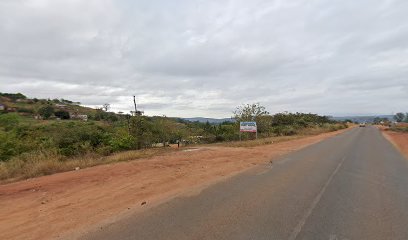
Staying in Thohoyandou: where to stay, what to do and how to plan your visit
Thohoyandou in Limpopo offers a gateway to the Northern Limpopo region and the broader Vhembe area, combining friendly guesthouses, comfortable hotels and lodges with access to rich cultural experiences and natural scenery. When planning a stay, it helps to think about which part of town will suit your itinerary, the kind of pace you want and how you’ll move around. Options range from modest guesthouses with warm hospitality to mid-range hotels that provide dependable facilities for longer stays.
Accommodation choices and what to expect. In Thohoyandou you’ll find a mix of options centred around town and the surrounding countryside. A guesthouse or boutique-style hotel often offers a compact base with a personalised touch, early breakfasts, and helpful advice on local routes. For travellers who value natural surroundings, lodges a short drive from the centre can provide easy access to nearby scenery while keeping you close to town conveniences. If you’re staying at a well-known property such as Makonde Guest House, you can expect rooms that are simple yet practical, typically equipped with private bathrooms, Wi‑Fi, and space to relax after day-long explorations. When booking, check whether the property has parking, generator back‑ups for intermittent power supply, and on-site dining or continental breakfast options, as these can make a big difference in a rural or semi‑urban setting.
Areas to consider. The central area around Thohoyandou town is convenient for accessing shops, markets and transit links, while outskirts or village-adjacent lodges may offer a quieter atmosphere and a closer connection to nature. If your itinerary includes incursions into Venda culture, you might favour a location that puts you within easy reach of cultural hubs, small markets selling crafts, and recommended eateries. Proximity to roads leading to Venda centres and reserves is worth noting, because independent travel in this region is often by car or local taxis rather than by fixed rail services.
What to look for when you book. It helps to prioritise clear and reliable communication with the property, especially for arranging airport transfers or late arrival. Verify the availability of essentials such as hot water, comfortable bedding, adequate security, and clean, well-lit communal areas. If you plan to drive, confirm off-street parking or secure on-site parking. For longer stays, check whether the accommodation provides laundry facilities or a hairdryer, and whether there is a kitchenette or fridge in the room. Reading recent guest reviews can reveal how consistent the service is, and whether staff are responsive to guest needs, such as arranging day trips or providing guidance on safe walking routes and local etiquette.
Typical amenities you may encounter. Common features across Thohoyandou properties include free Wi‑Fi, private en-suite bathrooms, tea and coffee making facilities, and daily housekeeping. Many places offer breakfast options, some with a light continental spread and others with cooked elements. A few lodges or higher‑end guesthouses may provide an on-site restaurant or bar, while others offer simple dining arrangements nearby. Laundry services and secure parking are practical additions, and guest houses often pride themselves on personal touches, such as recommendations for local activities or tailor-made day trips into the surrounding landscapes and cultural sites.
Transport and getting around. The most practical way to explore Thohoyandou and its surrounds is by car. If you’re not driving, arrange a trusted transfer or pre-booked taxi for airport runs and day trips. Public transport options in the area are limited, and schedules may vary, so having your plans confirmed in advance reduces the risk of delays. Ask your host or front desk about safe routes for walking if you’d like to explore markets or town centres on foot, and whether there are reputable tour operators offering cultural experiences or nature walks nearby.
Best time to visit and practical planning. Thohoyandou experiences a subtropical climate with warm summers and cooler evenings in the dry season. The dry season tends to be pleasant for outdoor activities and day trips into the surrounding countryside, while the rainy season can bring lush landscapes and occasional downpours. Pack light, breathable clothing for daywear, plus a light jacket for cooler nights. If you’re visiting during peak travel periods or local festivals, book well in advance to secure preferred rooms and rates. Bring sun protection, comfortable walking shoes, and a reusable water bottle for days out exploring local markets and viewpoints.
Attractions and experiences in general terms. In the area you’ll find opportunities to learn about Venda culture, browse craft markets, and enjoy natural scenery such as rivers, hills, and nearby reserves. Day trips to surrounding towns and nature spots can be rewarding for those who enjoy short hikes, photography, and cultural exchanges with local communities. Dining in the region offers a range of experiences, from casual café meals to traditional dishes prepared in local styles. When planning activities, balance time between relaxation at your accommodation and curated experiences that deepen your understanding of the area, its people, and its landscapes.
Sample planning checklist
- Choose an area based on your activities: town convenience vs. serene surroundings.
- Confirm essential amenities and parking with your accommodation.
- Plan transport: car hire or trusted transfer arrangements.
- Check best season for your activities and pack accordingly.
- Ask about local tips for markets, cultural experiences, and walks.
For more information on Thohoyandou and the broader Limpopo region, consider visiting official tourism resources to help shape your itinerary and find current recommendations. A well-chosen stay can anchor a memorable visit to this vibrant corner of South Africa, where comfortable accommodation meets welcoming hospitality and access to the region’s distinctive culture and scenery.